



The Police Chaplain Project

What once was lost.

No one in American life understands the spiritual weight of police work the way a chaplain does.

Yet their wisdom is fragile. When a chaplain passes, we not only lose their hard-earned wisdom—we also lose their unique ability to communicate that wisdom.

Through your generous support, all that's changing.

The Police Chaplain Project, a video archive, brings together an extraordinary group of chaplains and private citizens, each dedicated to improving the lives of police officers and their families.

The years of experience gathered here belong to every chaplain and police leader who comes after them.

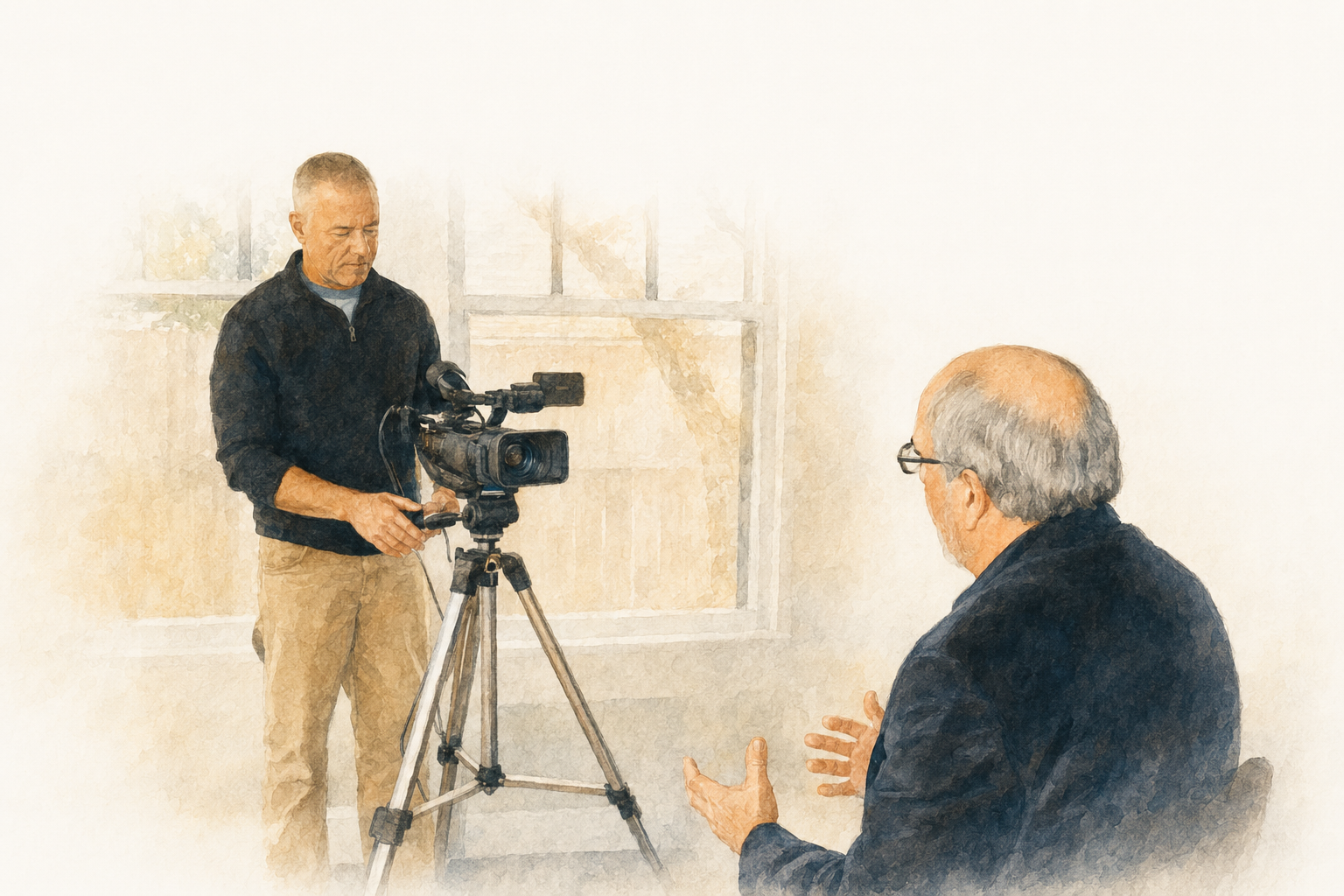
A police chaplain interview being taped
Watch the Collection

Police Chaplain Project Archive

Browse the archive right here — conversations indexed and captioned. The complete library also lives on YouTube.

Scenes of a nightclub, church, flooded neighborhood, movie theater, and concert grounds
Audiograms

Listen in minutes.

Short audiograms drawn from the full conversations — one idea at a time.

Days of Crisis

When the worst day came.

Chaplains recall the days that tested everything — mass shootings, disasters, and the hours after.

The archive was built to be used

A few minutes in your feed. A conversation before a shift. An example that brings training to life.

In your daily feed

Learn a little every day

Make ChaplainUSA part of your social media feed, and set aside a few minutes each day for a chaplain’s experience. Watch a short clip, follow it into the archive, and save an idea worth returning to. Ask yourself: what could I carry from this conversation into my next call?

Before the shift

Bring it to the next briefing

Choose a short interview before your chaplains gather for a shift, and have the link ready to share. Watch it together, then take a few minutes to discuss how the situation might unfold in your own community. Leave with one practical idea to try—and return to it the next time you gather.

In ongoing training

Build it into your training

Start with a subject you already teach, then bring in an interview excerpt, a lesson, or a download that adds a chaplain’s firsthand experience. Use it to open a discussion, deepen a case study, or prepare for a practice scenario. Ask participants how they would respond, and credit the chaplain whose experience they are learning from.

In their own words

Lines that have stuck with us.

“One of the catchphrases I heard early in chaplaincy was, ‘Don’t just say something. Stand there.’”
Chaplain John HarthOn the chaplain’s first responsibility in a crisis
“They have to be able to trust you, because at that moment, you are the only one they have to rely on. You are bringing them the worst news ever. You have to bring them the news, but you also have to begin the healing process immediately afterward.”
Chaplain Andy ToopesOn making a death notification
“Both of those things can coexist without canceling each other out. I can be okay with both the sadness and the joy combined. You don’t have to shut a door. It’s not necessary.”
Chaplain Tim KlerekoperOn allowing grief and joy to coexist
“But somebody asked me, ‘Was it worth it?’ And every one of us would say the same thing: absolutely. And I’d do it again, knowing exactly what I’d suffer from.”
Chaplain Mindi RussellOn whether serving at Ground Zero was worth the personal cost
An invitation

An invitation to all police chaplains.

The Police Chaplain Project continues to produce new interviews every year.

Police chaplains from across the country travel to the project home base in Austin, Texas to add their knowledge to the project. Recording each chaplain's testimony takes from two to three hours.

Once collected, portions of the content are immediately shared through social media. All content is eventually archived for future generations of chaplains and historians as part of the Police Chaplain Archive, a permanent online repository.

If you are a police chaplain, we urge you to learn how you can add your experience and wisdom to the project.

Get involved

Know a chaplain whose voice belongs in here?

Most of our best interviews started with a phone call from a friend. Tell us who we should be sitting down with next.

Nominate a chaplain → Support the work →