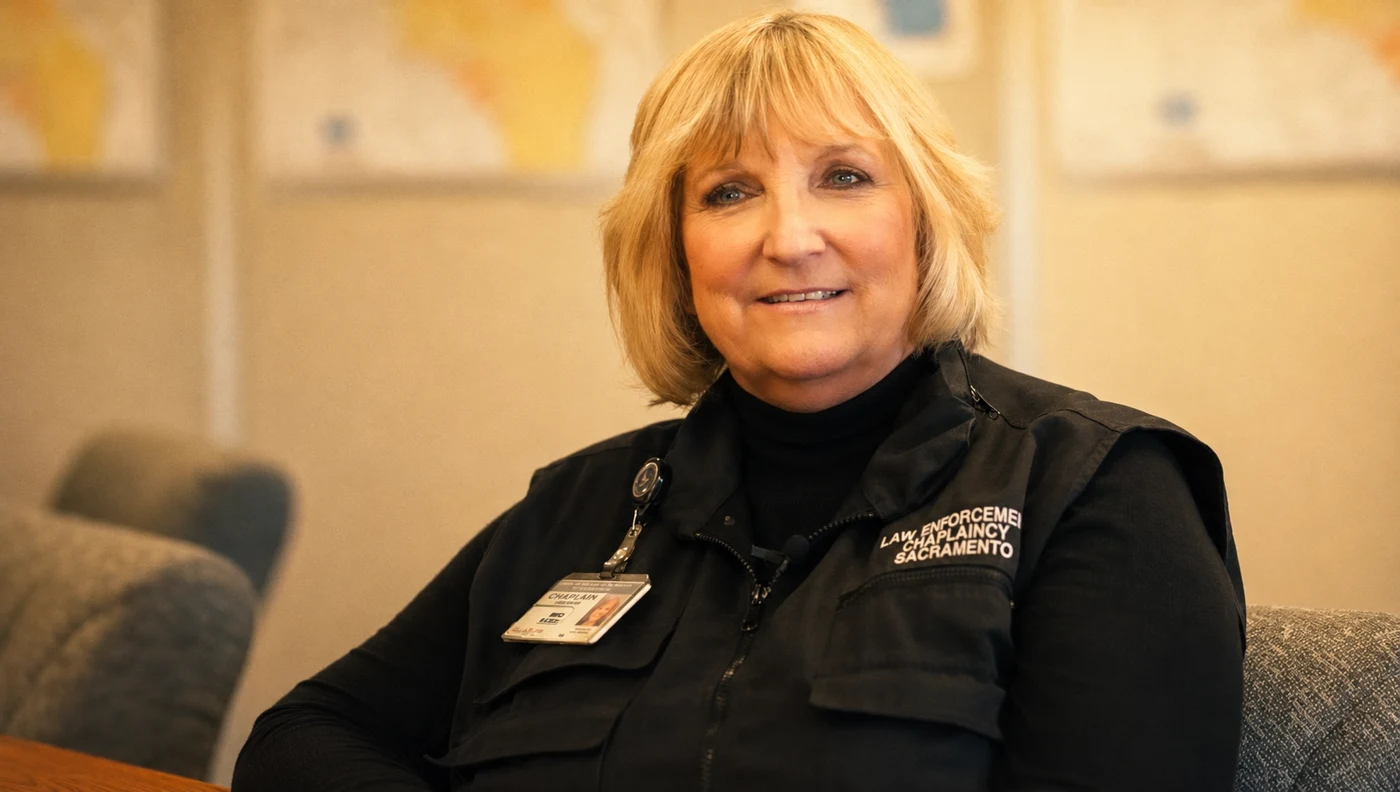
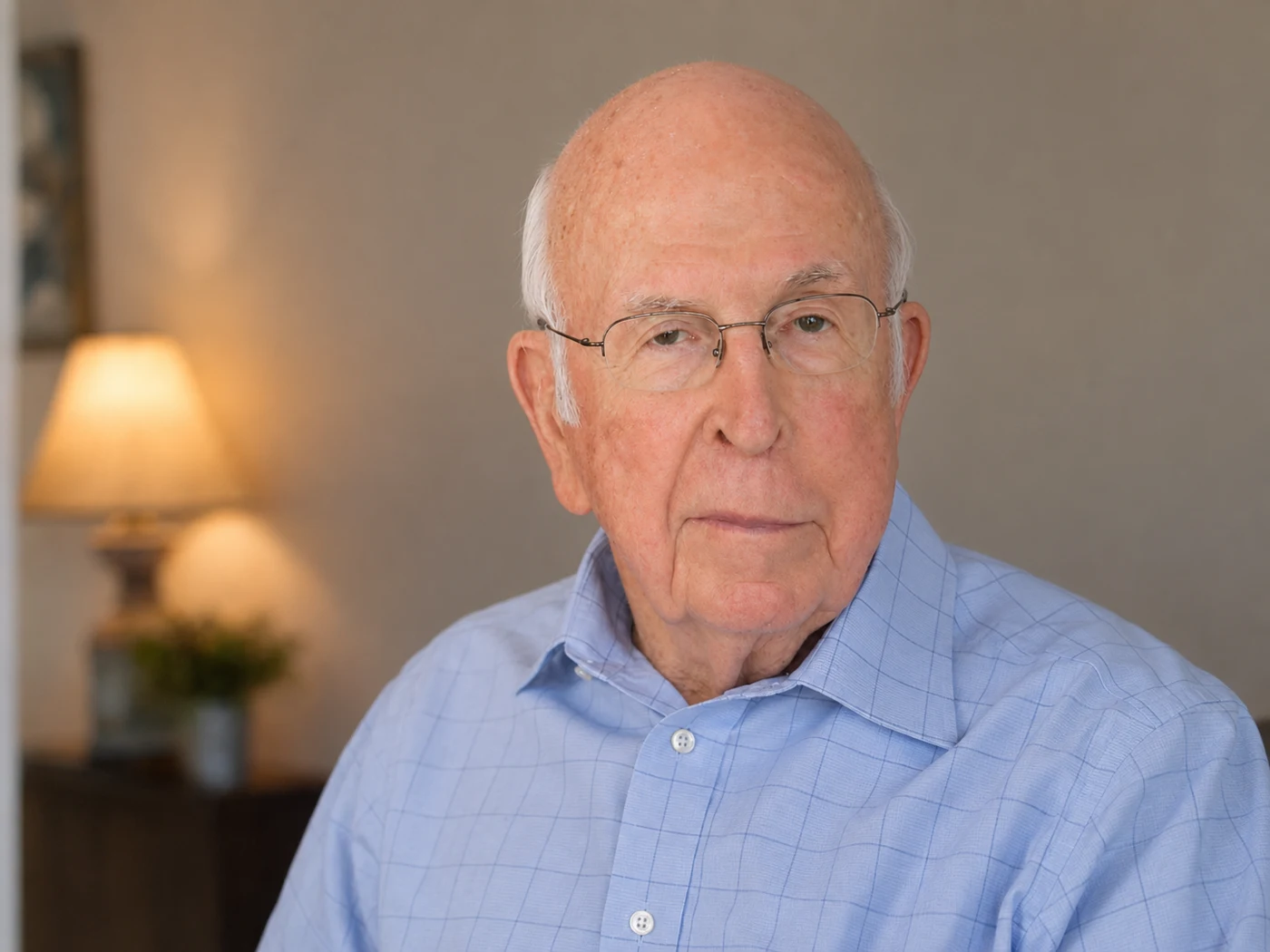
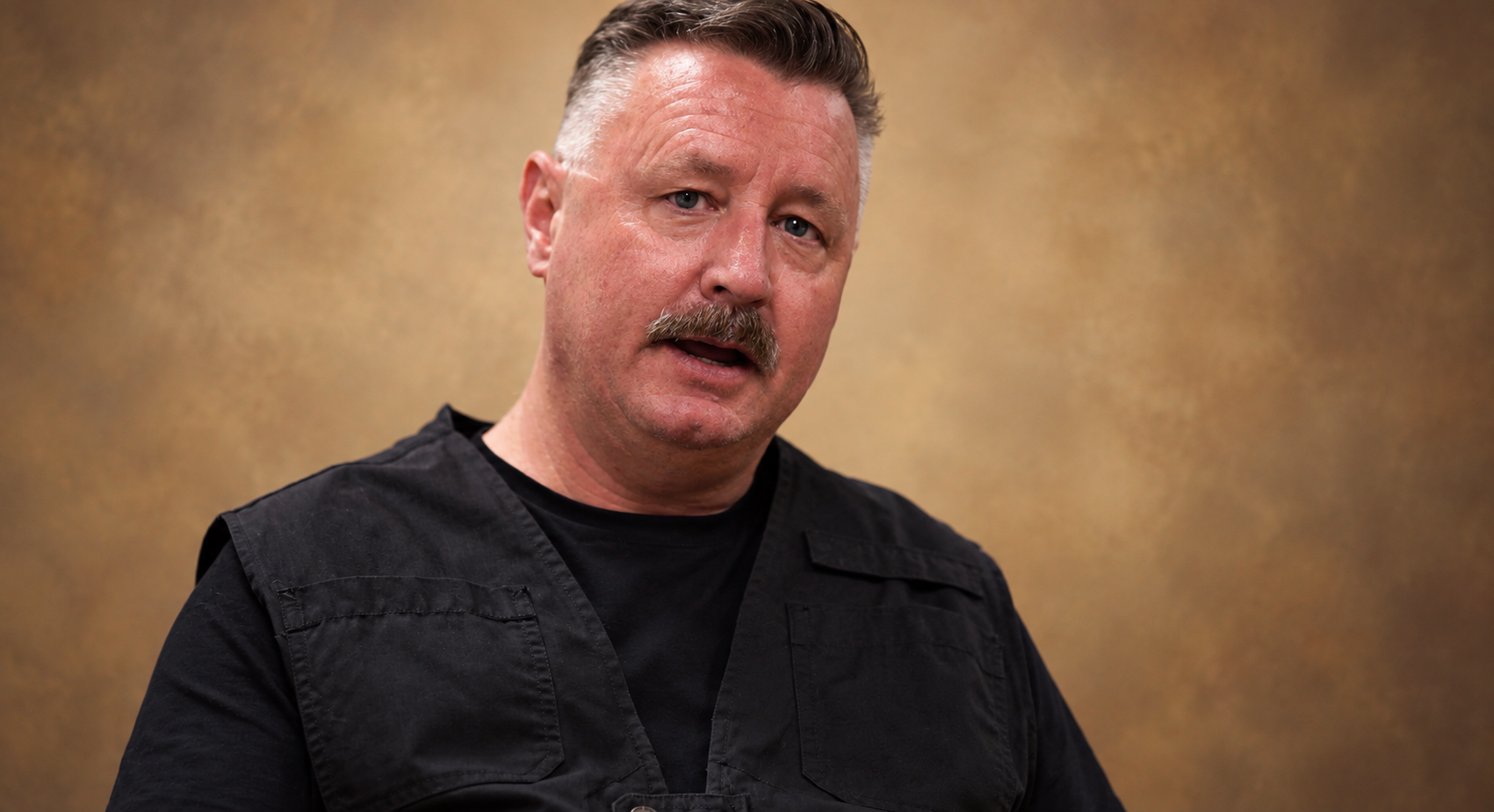
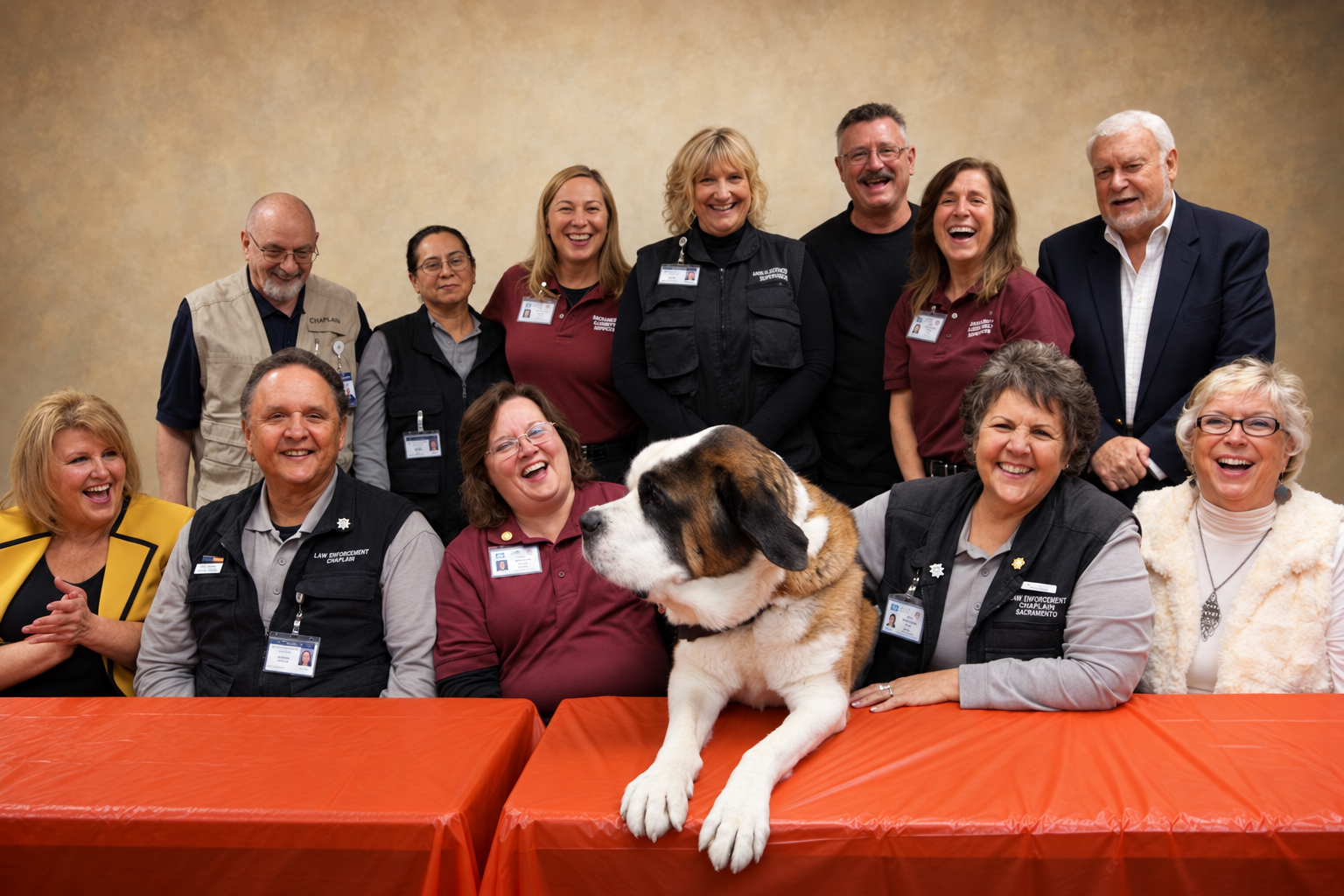
Chaplain Ken Ashlock
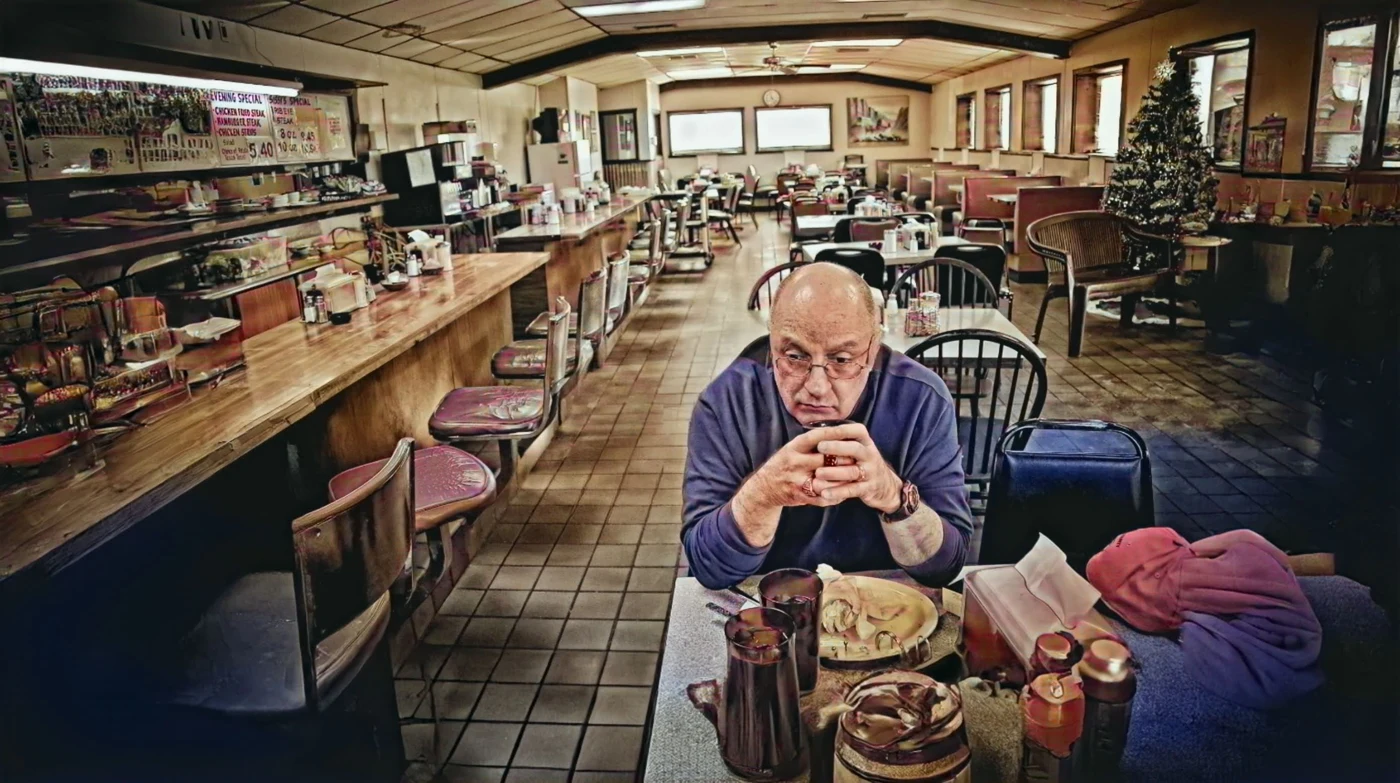
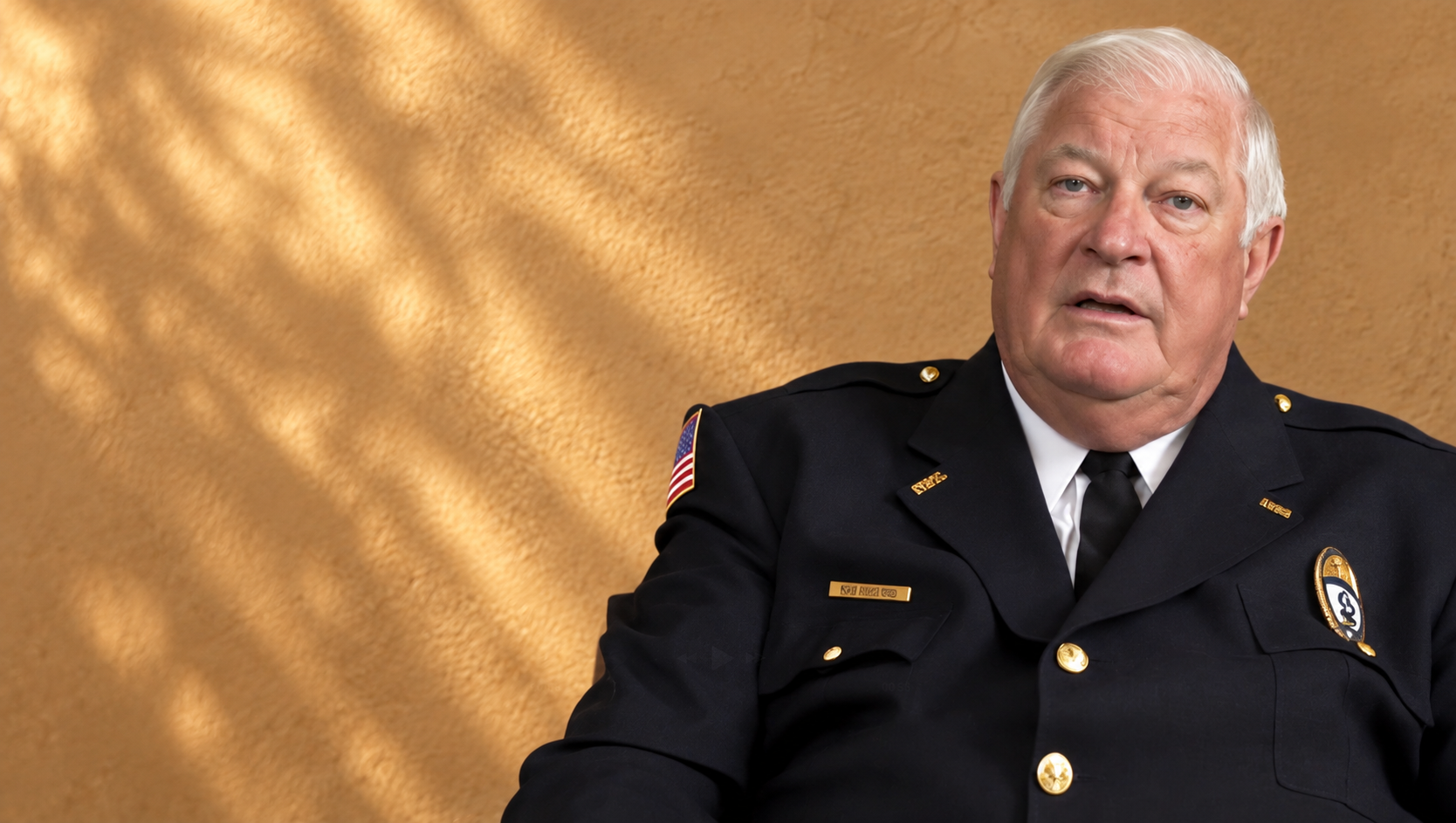
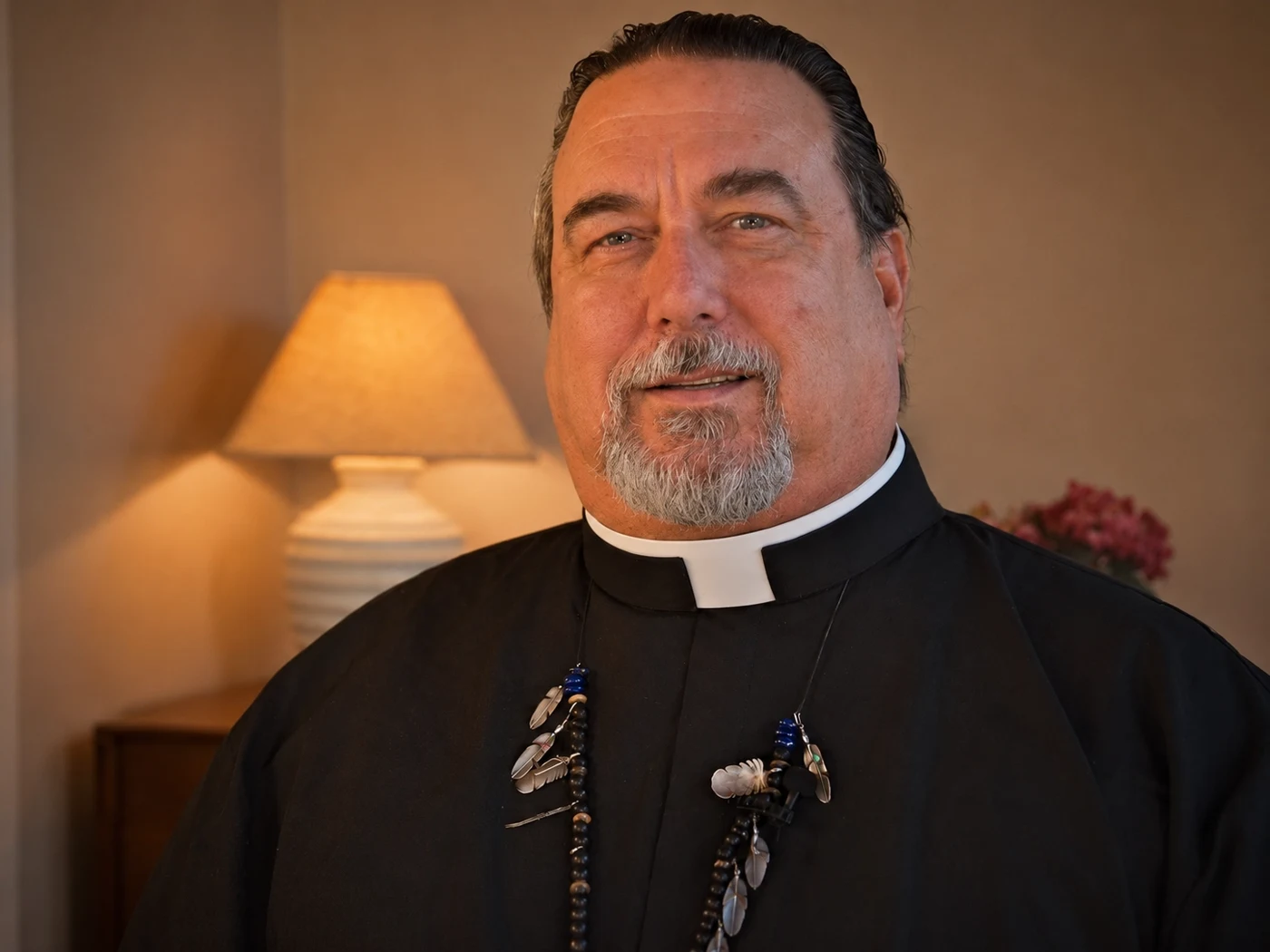
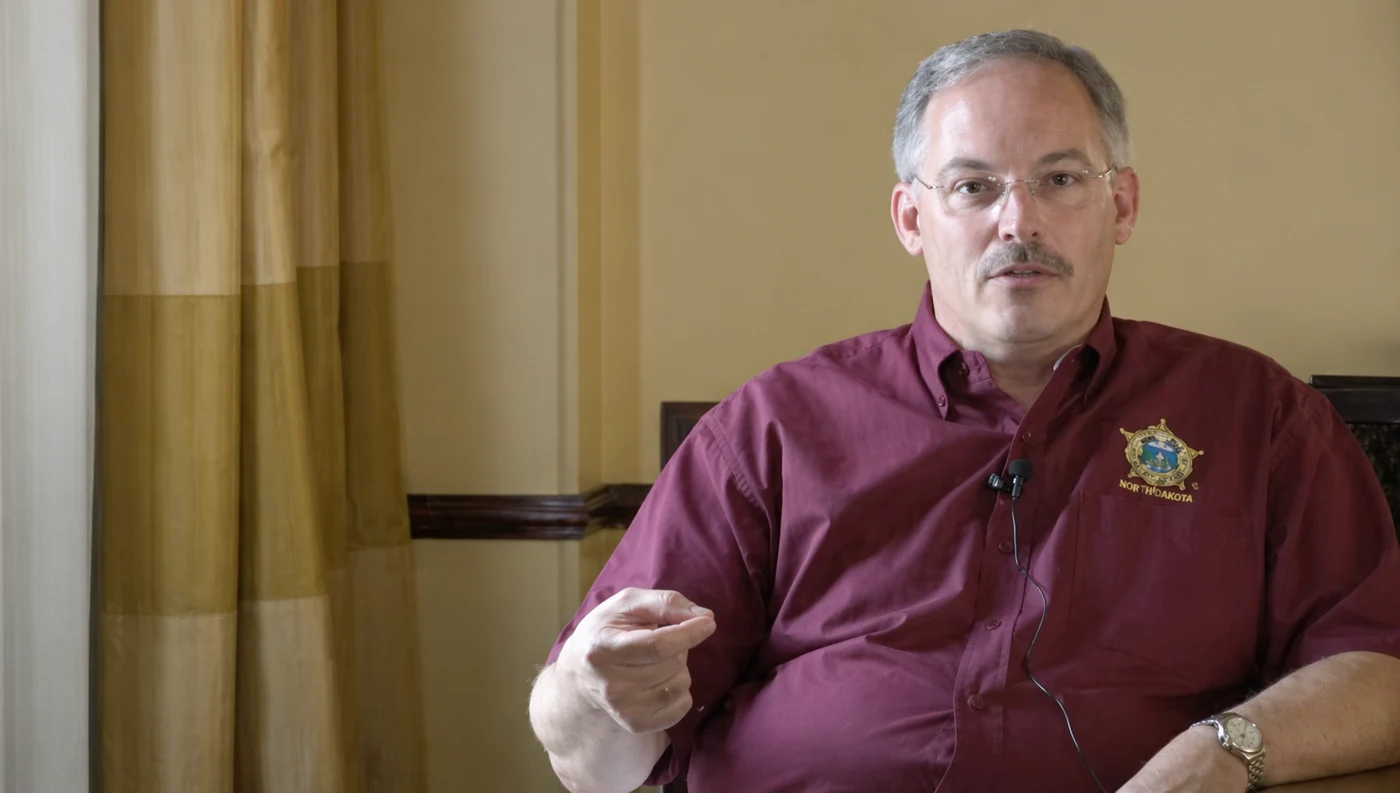
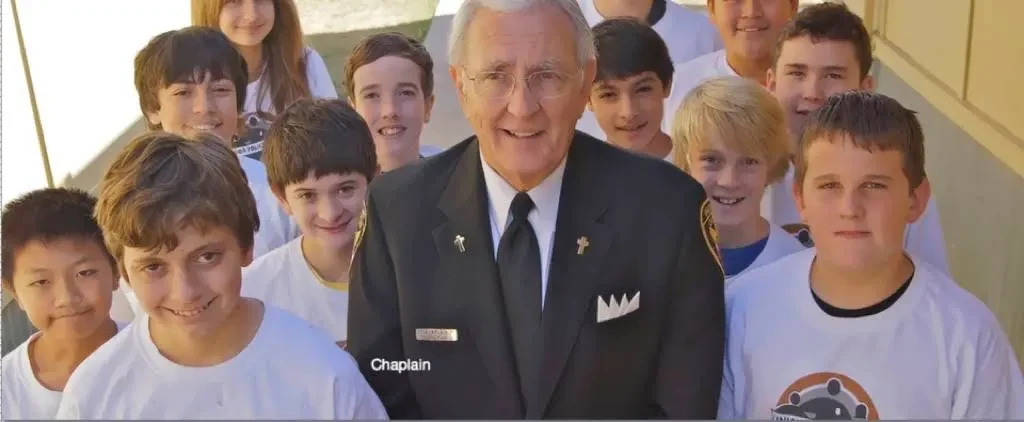
Chaplain Kenneth Wayne “Ken” Ashlock (1938–2018) devoted more than half a century to the spiritual care of police officers. He became chaplain of the Garland Police Department in May 1962, beginning a ministry that would extend beyond one city to the Texas Department of Public Safety, the Texas Rangers and Dallas constables. His influence reached both the officers he served and the younger chaplains he helped prepare for the work.
Born in Clarksville, Arkansas, on June 16, 1938, Ken entered pastoral ministry as a teenager. He was ordained in 1955 and came to New Liberty Baptist Church in Garland in 1958. He served as its pastor until 2013 and then as pastor emeritus until his death on November 19, 2018. His church ministry and police chaplaincy grew side by side, rooted in a lasting commitment to the same community.
Ken also helped sustain the profession itself. The International Conference of Police Chaplains recalled that he personally hosted regional training seminars for ten years when interest in the area had declined, and described his willingness to train young chaplains as legendary. Its Region 7 Ken Ashlock Excellence in Chaplaincy Award recognizes the devotion to service and training that he exemplified. Garland honored him in 2008 by naming the police station’s conference center “The Ashlock Room.”
A few years ago, Ken shared his wisdom with the Police Chaplain Project. When asked if his physical size helped in counseling Texas Rangers, Chaplain Ashlock’s answer touched on the nature of chaplaincy and the inner workings of one of America's great police chaplains.
His recorded conversation with Phillip LeConte about confronting police burnout also forms part of the Survivor Network archive. Through these interviews, his experience remains available to officers, families and chaplains who can continue learning from him.
Rabbi-Cantor Marie Betcher
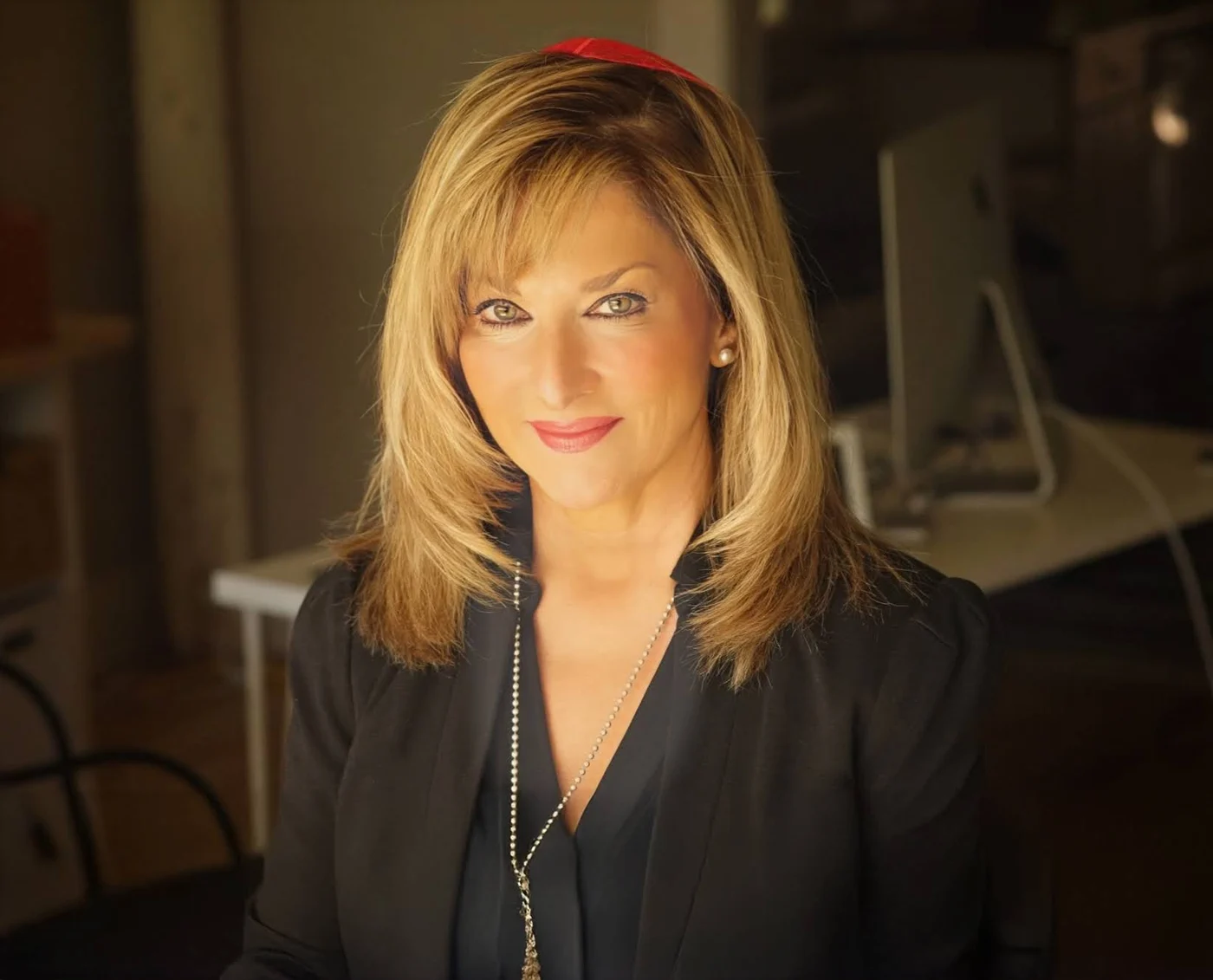
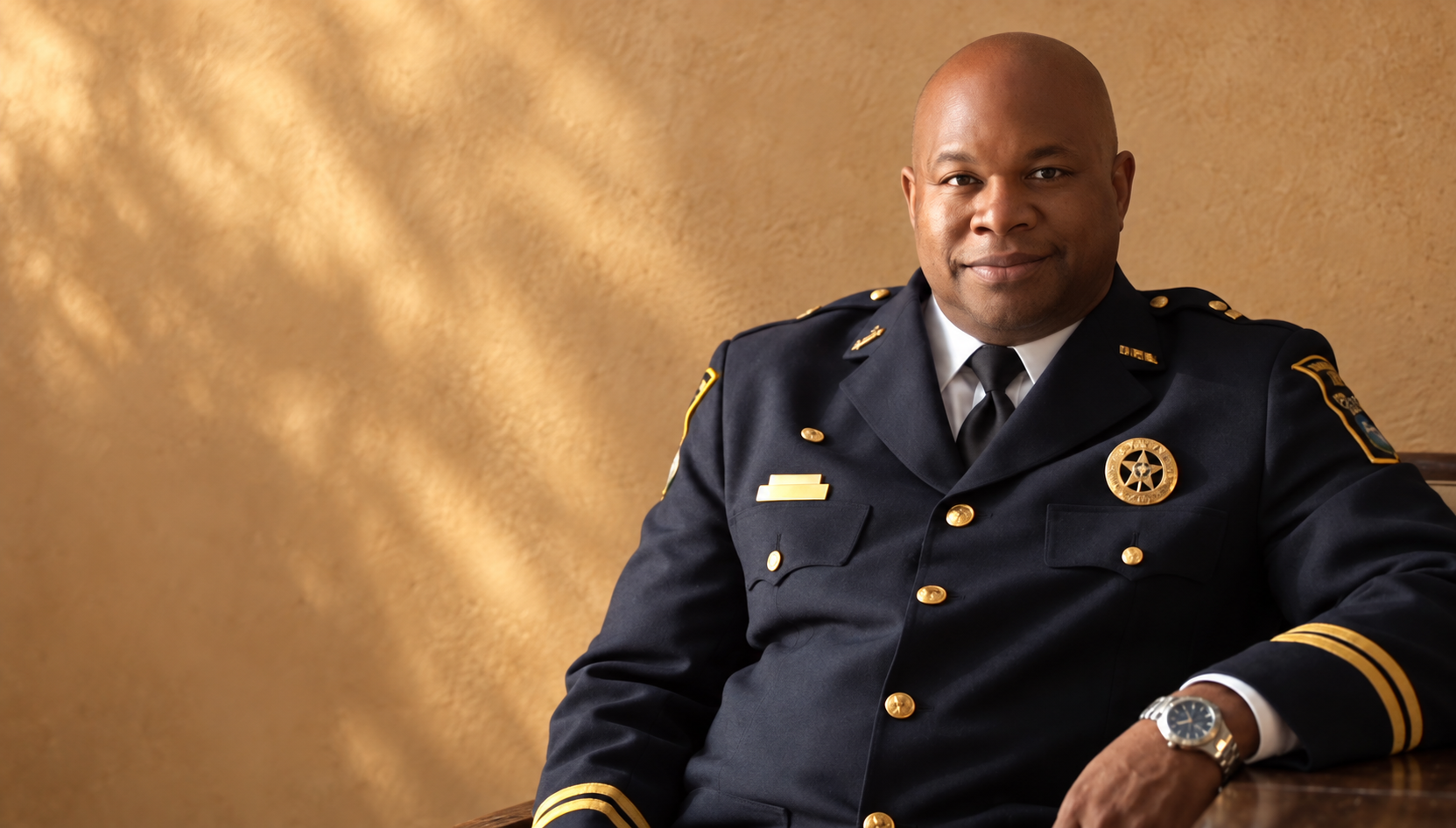
Marie Betcher brought warmth and steadfast support to ChaplainUSA from the very beginning, and she has since made history. In March 2023, Austin Police Chief Joseph Chacon pinned her as Senior Chaplain of the Austin Police Department — believed to be the first female rabbi-cantor, and, per Austin media at the time, presumably the first female Jewish senior chaplain ever to hold that role at a major American police department. She has served APD as a chaplain since 2016 and the Cedar Park Police and Fire Departments since 2013, and she is the spiritual leader of Congregation Shir Ami in Cedar Park.
She is also an accomplished rabbi, cantor, and education director, and a celebrated opera singer — a winner of the Bellini International Opera Competition in Sicily who has performed at Carnegie Hall, the Kennedy Center, NYU's Recital Hall, the Ambler Music Festival in Philadelphia, and Piccolo Spoleto in Charleston, with concert tours through England and Sicily. She was named APD Chaplain of the Year in 2017.
Marie holds a B.M. in Vocal Performance from Indiana University's Jacobs School of Music and an M.M. from Florida State; she was invested as Cantor by Hebrew Union College in 1999 and ordained as Rabbi in 2011. She lives in the Austin area with her husband Jonathan, a longtime Austin police officer — a marriage of more than forty years that has, in its own quiet way, prepared her for every officer's family she now serves.
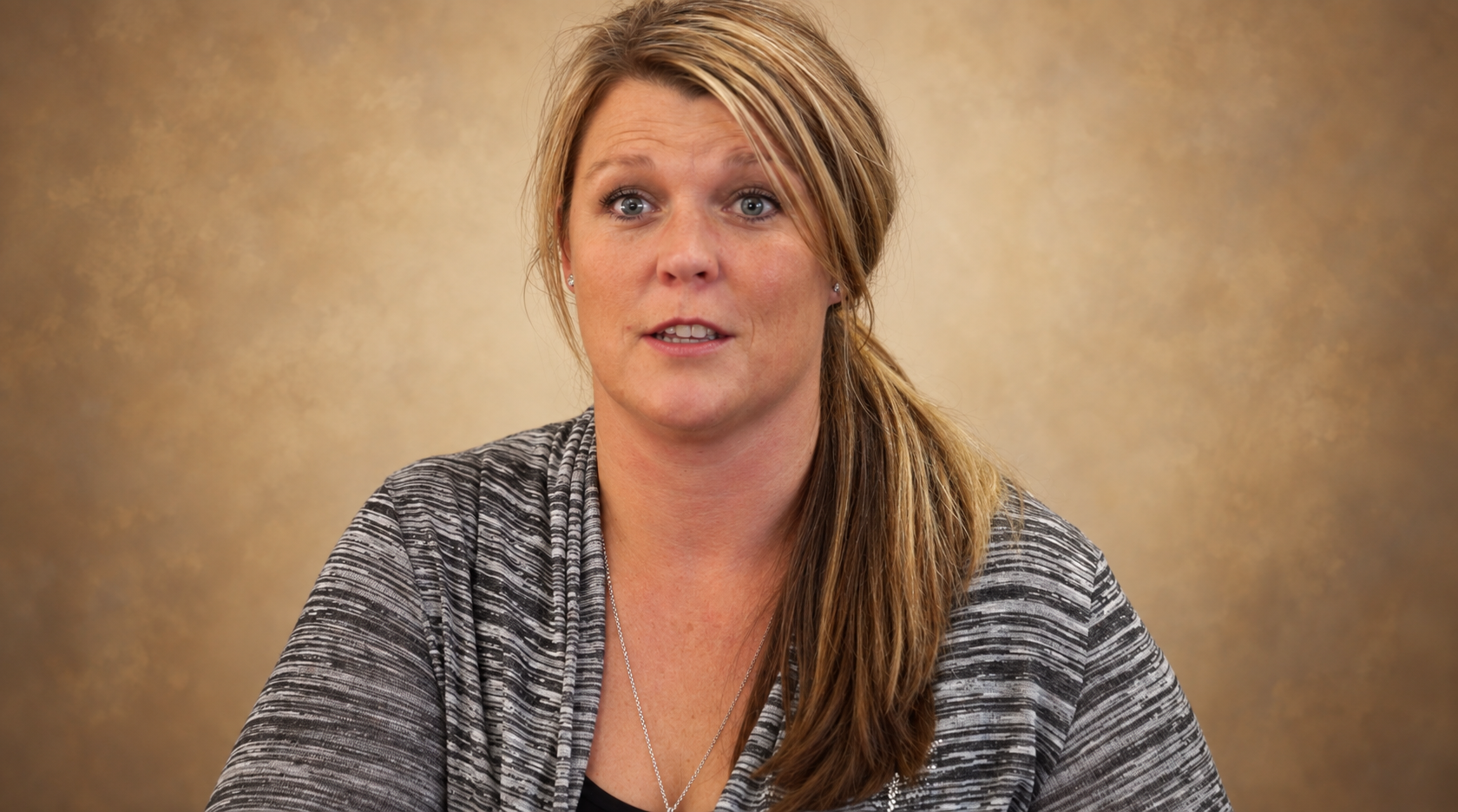
Liz Brown
Liz Brown recognized the need for support among law-enforcement spouses after her husband, Sacramento County Deputy Scott Brown, survived the incident in which his partner Danny Oliver was killed in 2014. Working with Chaplain Mindi Russell, she helped bring spouses together. Her Police Chaplain Project interview explores the effects of trauma at home and why officers’ families need a community of their own.
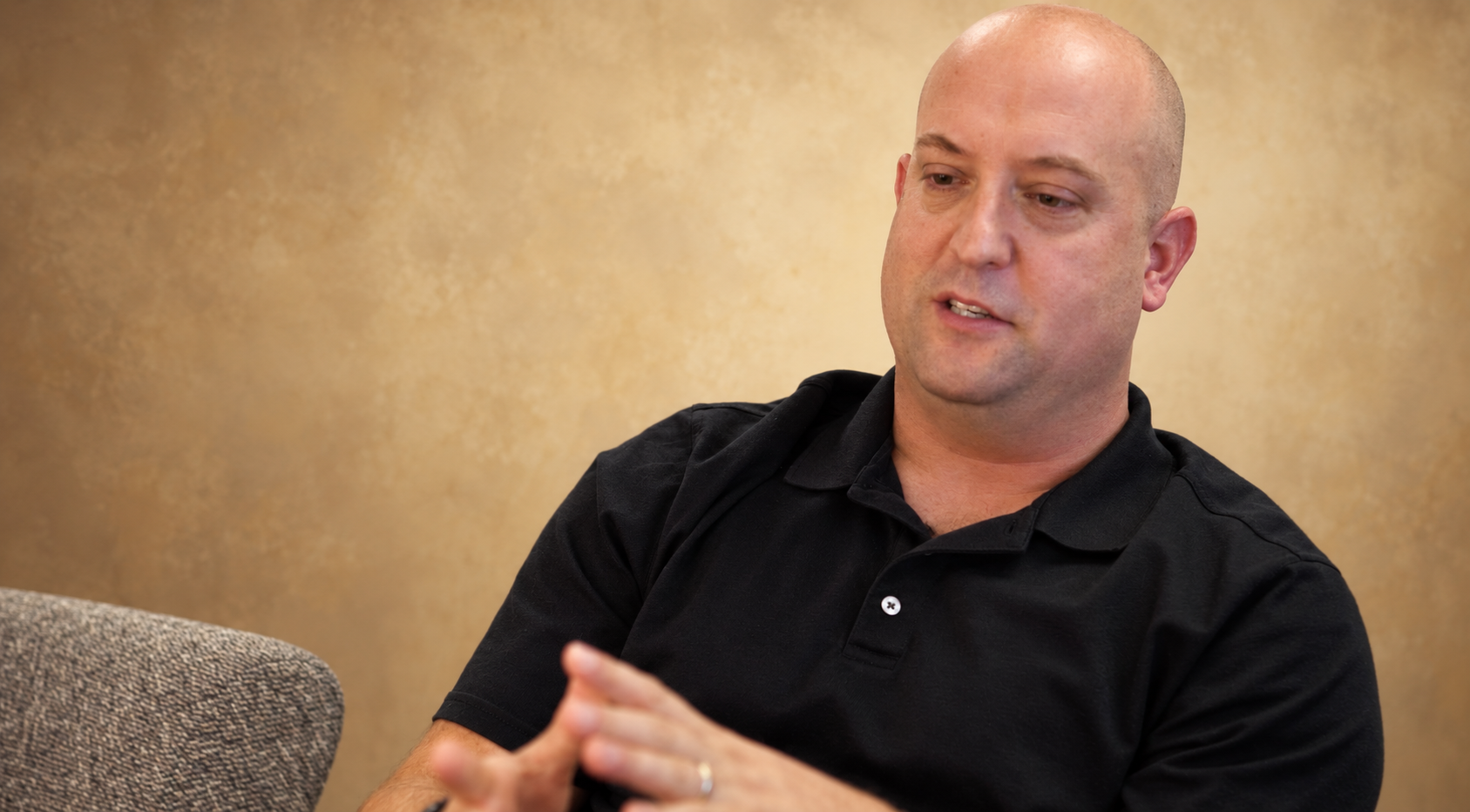
Scott Brown
Sacramento County Deputy Scott Brown was beside his partner Danny Oliver when Oliver was killed in 2014. In the Survivor Network’s account of his wife Liz’s work, that experience helps explain why support must extend beyond the officer to the family at home. Their story is part of the Police Chaplain Project’s examination of the lasting needs that follow a critical incident.
Kaylen Bynoe
Kaylen Bynoe is the daughter of Sacramento County Deputy Robert “Bobby” French, who was killed in the line of duty in 2017. In her Police Chaplain Project interview, she describes the grief and difficult decisions that followed, and the support of Chaplain Mindi Russell. Her story shows the value of a trusted relationship with a chaplain long before tragedy arrives.
John Cooley
Few Americans better understand the healing potential of a police funeral than John Cooley. A thirty-year veteran of the Los Angeles Police Department who retired as a Sergeant II in 2001, he served for nearly a decade as the LAPD's Funeral Coordinator while leading the department's Employee Assistance Unit — personally managing more than eighty police funeral and memorial services, including eighteen line-of-duty funerals. His insights into how we honor the fallen will forever change the way you think about ceremony and ritual.
A Certified Bereavement Counselor and the co-author with Donna Wade of Planning for the Unthinkable: A Law Enforcement Funeral Planning Guide, John has spent the years since retirement traveling the country giving seminars on police funeral planning — often free of charge, with agencies covering only travel costs. His curriculum is approved for POST and continuing-education credit in multiple states, and he has long partnered with Concerns of Police Survivors.
ChaplainUSA was proud to sponsor John Cooley's educational seminars and workshops across the country. We invite law enforcement leaders to join the many who have already drawn on his lifetime of experience — and helped raise the professional standard by which departments honor and lay to rest our fallen heroes.
Carol Daly
Carol Daly helped change what leadership in American law enforcement could look like. During a career spanning more than 33 years, she became the first woman appointed undersheriff of the Sacramento County Sheriff’s Department and later the first woman to chair California’s Board of Prison Terms. A 1975 graduate of the FBI National Academy, she brought experience in sexual assault, homicide and crimes against children to those leadership roles.
Her work on the East Area Rapist investigation, later connected to the Golden State Killer, placed her alongside people living through extraordinary fear. As one of the lead investigators in the late 1970s, she interviewed nearly every victim. Listening, earning trust and helping people recover a sense of safety were essential parts of that work.
Daly’s career also unfolded in a profession where women faced substantial barriers. Her rise through the department made her a trailblazer, while her approach to victims demonstrated that compassion and rigorous investigation belong together. The people behind a case mattered as much as the case itself.
That commitment continued beyond her law-enforcement career. As a board member of Phyllis’s Garden, she supports an organization devoted to sexual-assault survivors. She has also joined survivors and fellow investigators in public conversations about the Golden State Killer case, helping preserve lessons about the way victims are heard and treated.
Chaplain David Fair
David Fair was the heart behind the Police Chaplain Project and one of the most consequential police chaplains of his generation. As Director of Chaplain Services for the Brownwood Police Department and a senior figure with the Texas Department of Public Safety's Critical Incident Response Team and the Texas Department of Health's Critical Incident Stress Management Network, he answered the call when others could not. A licensed peace officer, an EMT, and a longtime Fellow of the American College of Forensic Examiners International, he carried his ministry into Luby's Cafeteria in Killeen, the rubble of Oklahoma City, the days after 9/11 at Ground Zero, the Columbia debris fields, and every Texas hurricane from Katrina to Ike.
For more than two decades he also served his city as a member of the Brownwood City Council, and as Lieutenant Colonel (Ret.) of the Texas State Guard. He held a PhD and a DMin and was credentialed in Critical Incident Stress Management — but those who served beside him remembered something simpler: a steady voice on the worst day of someone's life.
He is survived by his wife of 47 years, Karen — whom he often called 'the wind beneath his wings' — and by his three daughters Felicity, Shanna, and LaCindi, his granddaughters, and one great-granddaughter. His vision shaped everything ChaplainUSA does today.
Dave's vision shaped everything ChaplainUSA does today.
Rabbi Cary Friedman
Rabbi Cary Friedman is the author of Spiritual Survival for Law Enforcement — a foundational text used widely in chaplaincy training — and a longtime spirituality consultant to the FBI's Behavioral Science Unit at Quantico. His framework that an officer enters the academy with a full 'spiritual account' that must be replenished, not drained, is the beating heart of ChaplainUSA's Credo Project.
He has lectured at the FBI Academy and the FBI Training Network, at the International Conference of Police Chaplains, at the Texas and Connecticut Departments of Public Safety, and on The History Channel. He is also a leading authority on the real-world moral force of superhero archetypes; his book Wisdom from the Batcave drew praise from the Batman writer Ed Brubaker — 'what I didn't know was how much Batman and his code had affected me, until I read this book' — and from the legendary Batman artist Neal Adams, who wrote simply that 'the most important item in Batman's utility belt is a moral compass.' His other titles include The Superhero Handbook for Cops, Table for Two, Marital Intimacy, and Chanukas HaTorah.
Rabbi Friedman holds a B.S. in Electrical Engineering from Columbia and rabbinic ordination from Yeshiva University, where he now teaches at the High School for Boys; he is also a second-degree black belt. He lives in Passaic, New Jersey, with his wife Marsha and their six children.
Fr. John M. Harth
Father John Harth was a steady presence with the Cape Girardeau Police Department for many years, walking with officers through both the best and the most difficult days of their service. His path to the priesthood was its own kind of ministry: he began as a teenage radio broadcaster at WGLC in Mendota, Illinois, worked his way through stations in Illinois and New Jersey, and spent seven years as an anchor at KFVS-TV in Cape Girardeau before entering the seminary in the early 1980s. He was ordained in 1987 and served the Diocese of Springfield-Cape Girardeau for thirty-nine years, most recently as pastor of Immaculate Conception Catholic Church in Jackson, Missouri.
His chaplaincy reached across Southeast Missouri — to the Missouri State Highway Patrol, to the sheriff's offices of Cape Girardeau, Scott, and Bollinger counties, to the police departments of Jackson, Kelso, and Oran, to Jackson Fire and Rescue and the county Emergency Management Agency, and as priest chaplain to the U.S. Secret Service for the Southeast Missouri jurisdiction. He held the Master Chaplain credential of the International Conference of Police Chaplains and served the ICPC as Editor of its Journal and as Public Relations Officer. He responded to the 2011 Joplin tornado as a chaplain on scene.
He died on April 16, 2026, at Saint Francis Medical Center in Cape Girardeau following a brief illness. His contributions to the Police Chaplain Project preserve a quiet, faithful witness for the chaplains who follow him.
Chaplain Craig Hungler
Craig Hungler brings a rare dual perspective to ChaplainUSA — as both a chaplain and a longtime funeral director with Schoedinger Funeral and Cremation Service, the family-rooted Central Ohio firm that has served Columbus families since 1855. His insights on grief, ritual, and the pastoral care of families bridge two callings most chaplains only encounter from one side: he is present for the family the night their world breaks, and he is present again when it is time to lay their loved one to rest.
A longtime presenter and contributor with the International Conference of Police Chaplains, Craig and his wife Kathy together delivered the keynote on the emotional and spiritual support officers need and want at the ICPC's International Training Seminar — a session still referenced years later in the chaplaincy community. His combination of professional credentials — a certified funeral director and a commissioned police chaplain — gives him a vantage point that very few people in either field share.
He and Kathy live in the Columbus area, and his quiet, steady wisdom continues to bridge the work of officer care and family care in ways that have shaped the Police Chaplain Project archive.
Chaplain Scott Johnson
Scott Johnson is a Franciscan Friar and Vietnam veteran who was no stranger to death and dying, and who offered ChaplainUSA his great insight into ritual and grief. His thoughtful pastoral voice — including reflections on grief and the assurance that those who mourn are never alone — is woven into the heart of the Police Chaplain Project.
Robert Kenneth Jones
Bob Jones spent more than four decades quietly innovating in the treatment of addiction and the wounds of childhood abuse. He worked in residential treatment as a counselor whose listening was as careful as his writing, and in his later years he stepped back from clinical practice to set those listening hours down on the page — first through the blog An Elephant for Breakfast, then through his podcast A Mystical Elephant, and finally through the bi-weekly entries collected as the Robert Jones Journal on ChaplainUSA.
Bob noticed something of God in each hour of the day, and felt a joyful obligation to all living things. His reflections on compassion, kindness, healing, and wisdom continue to find new readers through Timeless Wisdom and the Robert Jones Journal archive — proof, as ChaplainUSA noted at the time of his passing, of 'the power of the human spirit to overcome the worst of life's difficulties.'
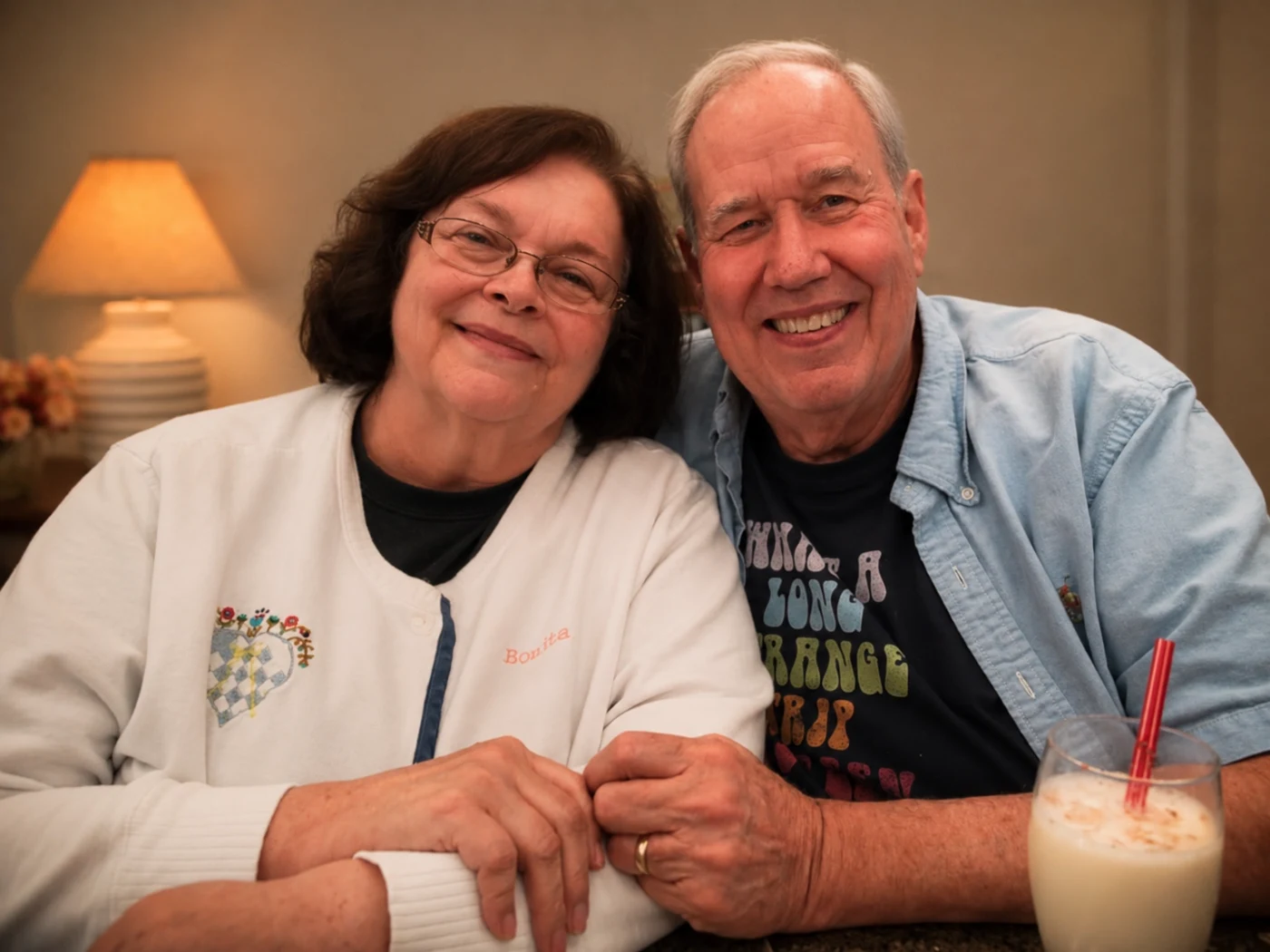
He passed away in 2021. His widow, Bonita Jones, continues to partner with ChaplainUSA to bring his work to a new generation.
Chaplain William Henry King III
A featured voice in the Police Chaplain Project, Dr. William Henry King III brings to his ministry the full weight of a remarkable life. The tenth of thirteen children born in Houston's Third Ward, he served from 1983 to 1992 in the United States Marine Corps — a combat veteran of Operation Desert Storm who rose to Gunnery Sergeant with multiple meritorious promotions, two Certificates of Merit, and a Commanding General Award. He is now Senior Pastor of Greater New Hope Missionary Baptist Church in Dickinson, Texas, and Chief Chaplain of the Dickinson Police Department.
His reflections on the principles of hope have offered enduring encouragement to officers and chaplains alike, and his ministry on the Gulf Coast extends far beyond the pulpit. He has served seven terms on the Dickinson City Council, twice as Mayor Pro-Tem, and eight years on the board of the Houston-Galveston Area Council. He founded Greater New Hope Christian Academy and led the campaign that designated the historic African-American Magnolia Cemetery as a Texas Historical Landmark. He is currently President of the American Baptist Convention of Texas and Moderator of the Southeast District Association, and he holds the highest recognition of the International Conference of Police Chaplains.
He lives in Dickinson with his wife, First Lady Shemika King, and their children Destini, Bailee, and William H. King IV. His contribution to the ChaplainUSA archive — a sustained meditation on hope itself — sits at the foundation of the project.
Chaplain Tim Klerekoper
The Most Rev. Dr. Timothy Klerekoper serves as Archbishop and Primate of the Christian Episcopal Church — a Continuing Anglican jurisdiction with parishes across the United States, Canada, and the Cayman Islands — and as the founding Executive Director of the Charteris Foundation, the nonprofit he established in 1992 to support chaplaincy to law enforcement, fire service, and federal agencies. His vocation to chaplaincy began at a funeral: the murder of his family's babysitter, where he found himself seated beside the head chaplain of the King County Police Department, and from that grief grew a lifetime of ministry.
He has served as Head Chaplain of South King County Fire Department, as Chaplain with the rank of Major in the Des Moines (WA) Police Department, as Chaplain to the King County Sheriff's Office, and as Regional Chaplain for the Federal Protective Service across DHS Regions 9 and 10. He holds Master Chaplain and Diplomate certifications from the International Conference of Police Chaplains and is Board Certified by the American Academy of Experts in Traumatic Stress. As a faculty member for the International Critical Incident Stress Foundation, FEMA, the IACP, California POST, and ICPC, his fingerprints are on the training of an entire generation of first-responder chaplains.
He holds degrees from Whitworth College, Regent College, Faith Evangelical Lutheran Seminary, and Trinity Biblical University. His participation in the Police Chaplain Project has helped broaden the archive's theological reach.
Phillip LeConte
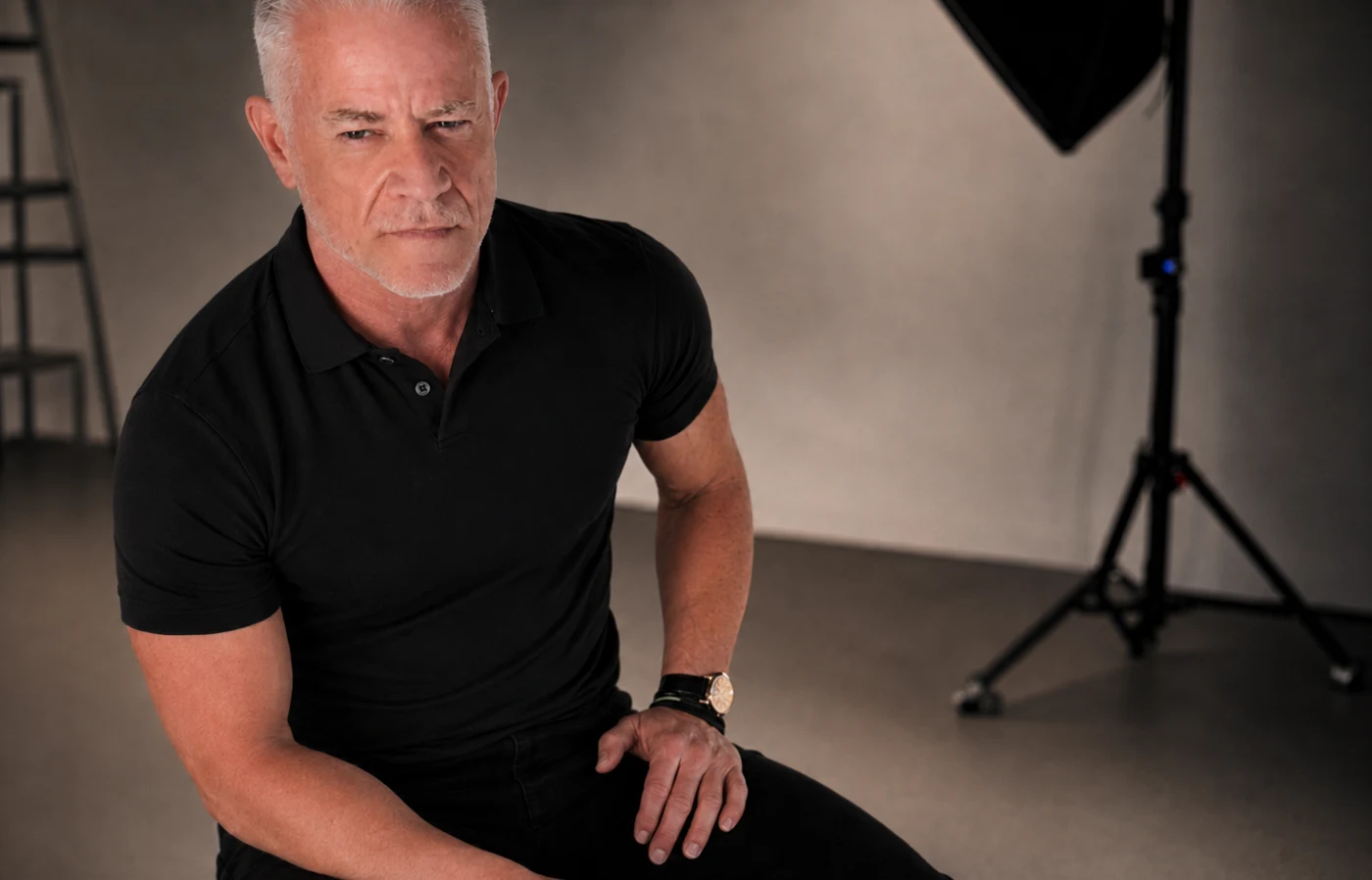
Phillip LeConte is a professional photographer and the founder of two enduring nonprofits. His work with police chaplains began in 2008 after meeting Chaplain David Fair, and has continued ever since as the creative engine behind ChaplainUSA's video archive — now the only national digital library devoted to the wisdom of America's police chaplains. After graduating from the University of Illinois, Phillip moved to Los Angeles and worked in public relations on the Stephen J. Cannell television series 21 Jump Street and Hunter.
As a feature writer he interviewed Roy Scheider, Sally Field, director Robert Benton, and journalist Bill Moyers — who called Phillip's piece 'my favorite interview I did on that tour.' His 1986 Psychology Today feature The Psychologist as TV Guide introduced readers to network television's use of psychological consultants and has since been cited in professional journals and in the textbook Values and Knowledge by Terrance Brown. In 1992 he co-founded the Junior Police Academy with his father, retired police officer Robert LeConte, who passed away in 2000. Through JPA he authored educational programming now used by police departments and schools nationwide.
His photography has appeared in the Austin Business Journal and has sold at auction to benefit the American Cancer Society and the Austin Museum of Art. He makes his home in Austin, Texas, where he continues to lead both the Junior Police Academy and the Police Chaplain Project.
Investigator Bianca Martin
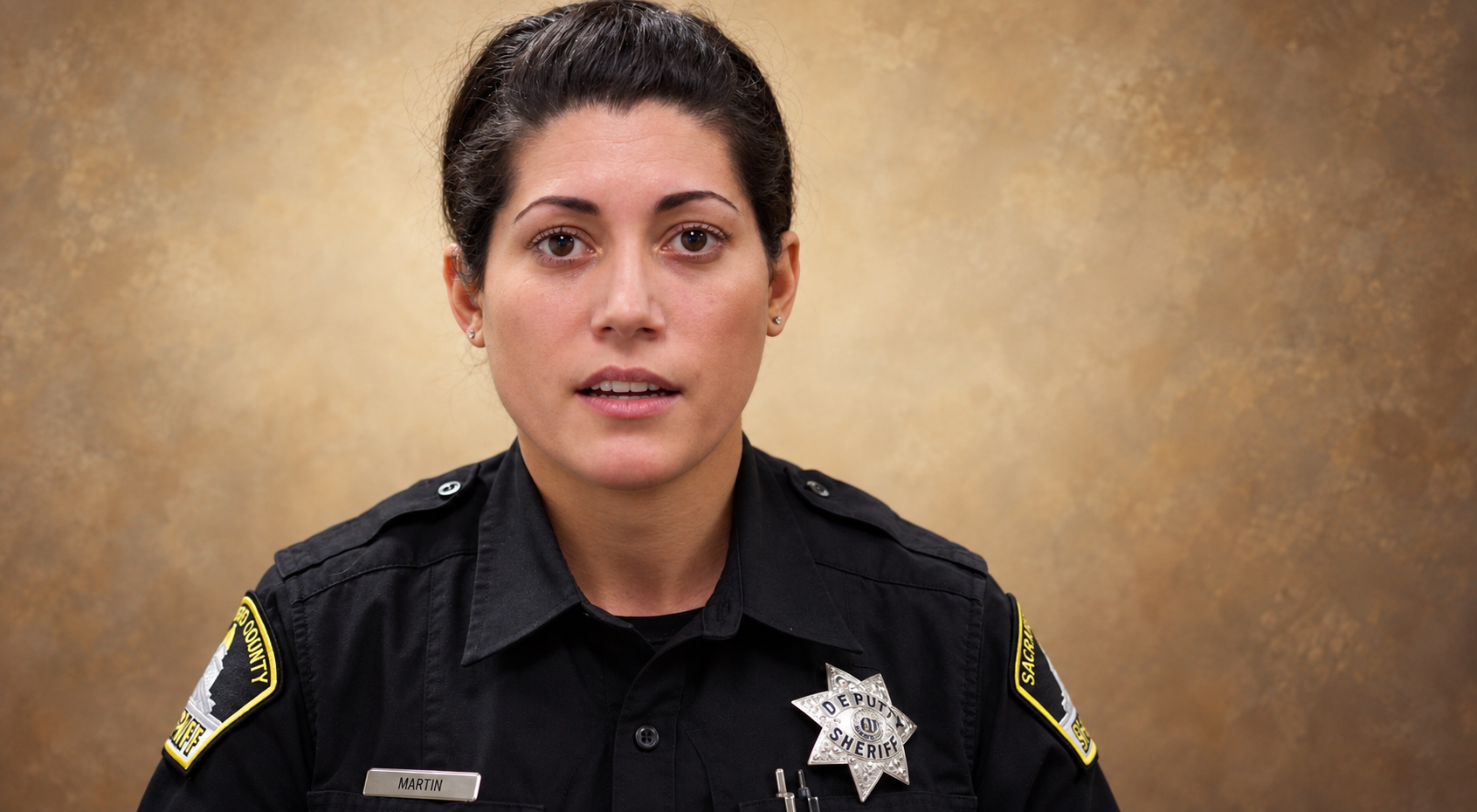
Bianca Martin is a crime-scene investigator whose Police Chaplain Project interviews explore the emotional demands of moving from one difficult scene to the next. Drawing on her work with the Sacramento County Sheriff’s Department, she describes how chaplains support families and bystanders while also checking on investigators. Her account shows why the people doing this work need someone who understands what they carry.
Chaplain Wesley McDuffie
Wesley McDuffie has served as a chaplain with the Tarrant County Sheriff's Office since 2017, and his ongoing work on the front lines of Texas law enforcement contributes a current, working-chaplain's voice to the ChaplainUSA archive. He also serves as Commander of the TCSO Honor Guard and as chaplain for the Dalworthington Gardens Department of Public Safety and the DEA's Dallas Field Division. He came to chaplaincy after a 27-year career with UPS and earlier service as a Commercial Vehicle Enforcement investigator with the Texas Department of Public Safety, and he was on the ground as a volunteer for the response to 9/11, Hurricane Katrina, and Hurricane Rita.
He holds the ICPC's Master Chaplain credential — the organization's top level — and is a Past President of the International Conference of Police Chaplains. In 2023 the American Jail Association named him its Civilian Employee of the Year, recognizing among other things the first-of-its-kind Inmate Christmas Caroling event he organized in downtown Fort Worth, recruiting correctional officers as choir conductors. He has received presidential volunteer awards from both President George W. Bush and President Barack Obama, and he holds an honorary doctorate from Mt. Olive Bible Institute in Brooklyn.
His memberships span the ICPC, the National Association of Police Organizations, the Combined Law Enforcement Association of Texas, and the Tarrant County Law Enforcement Association — a working chaplain in every sense of the word.
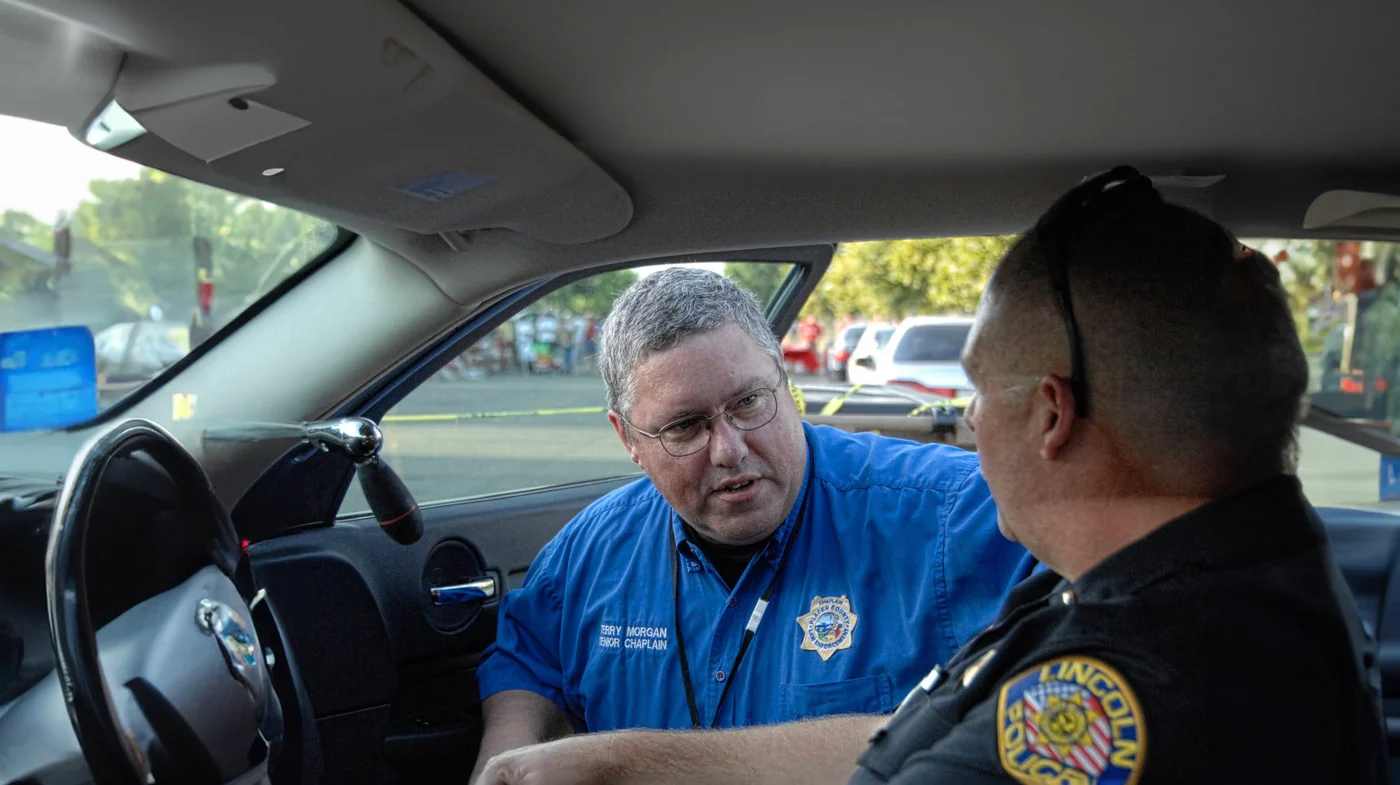
Chaplain Terry Morgan
Terry Morgan has spent more than forty years in ordained ministry and twenty-five years as a law enforcement chaplain. He serves as Senior Chaplain and Executive Director of Gold Country Chaplaincy in California's Sierra Nevada foothills, has attained Master Chaplain status with the International Conference of Police Chaplains, and is a member of the International Critical Incident Stress Foundation. He pastors in Redding, where he also serves families as a full-time hospice chaplain with Mercy Hospice / Dignity Health and teaches at Shasta Bible College.
His ministry has met some of the country's hardest moments. Terry was among a small group of chaplains chosen to embed with Louisiana Mental Health and the New Orleans Police Department immediately after Hurricane Katrina, and he has been selected to serve surviving families of fallen officers during National Police Week in Washington, D.C. He is the author of The Chaplain's Role: How Clergy Can Work With Law Enforcement, adopted by Liberty University as a textbook for chaplain formation, along with companion volumes including The Church Chaplain's Role, The Hospice Chaplain's Role, and What to Do When Grief Kidnaps Your Soul. He holds a Doctor of Ministry and an M.Div. from Epic Bible College & Graduate School in Sacramento.
Terry is also Board Certified in Emergency Crisis Response by the American Academy of Experts in Traumatic Stress and a certified QPR Suicide Prevention trainer. He lives in Redding with his wife, Phyllis.
Chaplain Mary Nobbe
Chaplain Mary Nobbe works with comfort dogs to help people through crisis. In her Police Chaplain Project interviews, she describes how a calm canine presence can help children, patients and grieving families begin to communicate when words are difficult. Her reflections on Sophie and other trained dogs show another way chaplains can build trust and offer reassurance.
Chaplain Jack Poe
For more than twenty-six years, Jack Poe was the voice of comfort and reason for the men and women of the Oklahoma City Police Department. After the bombing of the Alfred P. Murrah Federal Building on April 19, 1995, he and his wife Phyllis stayed at the site for twenty-one straight days, ministering to search teams inside the shattered building and debriefing officers, firefighters, and federal first responders. In 2001 he traveled to New York to do the same work for the first responders at Ground Zero. In 2010 he was inducted into the Oklahoma Law Enforcement Memorial Hall of Fame, and he continues to serve the Oklahoma City National Memorial as a member of its Conscience Committee.
He came to the work after a B.A. in Sociology from the University of Central Oklahoma, a B.D. from Southwestern Baptist Theological Seminary in Fort Worth, and a Doctor of Ministry from Phillips University in Enid. He has remained a sought-after pastoral voice on every anniversary of the bombing, including the 30th in 2025, when StoryCorps and NPR featured his reflections.
Even in semi-retirement Jack remains an active volunteer chaplain — speaking, as recently as December 2024, at the Cleveland County sentencing of former deputy Vaughn Cannon for the murder of Deputy Jordan Pyle. He and Phyllis live in the Oklahoma City area; they have two children, three grandchildren, and two great-granddaughters.
Norm Powers
Norm Powers coordinates school programs for Law Enforcement Chaplaincy Sacramento, including Kids in Crisis and Every 15 Minutes, along with the organization’s work at DUI checkpoints. His role connects chaplaincy with young people and the wider community, supporting the practical programs that bring this work beyond an emergency scene.
Chaplain Steve Rekedal
Steve Rekedal is an ordained chaplain whose service began with the U.S. Navy League during his years in Panama in the 1980s — where he served as CEO of AIG/ALICO Panama — and has continued in church leadership and chaplaincy for decades since. A graduate of the University of Minnesota who holds the Chartered Life Underwriter designation, he later served as Senior Vice President of DeHayes Consulting Group, founded Opes Veritas International in Austin, and worked for many years as a recruiter of Spanish-speaking insurance professionals.
For roughly fourteen years he served as a board member, board chairman, and elder of Hope Chapel in Austin — a long ministerial tenure that gave him both the patience and the perspective he now brings to ChaplainUSA. His reflections in the Survivor Network — including the unexpected grace he found in sharing artifacts from his late brother's life with his own children — are a reminder that the most powerful chaplaincy often happens in the most ordinary moments.
He and his family make their home in Buda, Texas, just south of Austin.
Chaplain Mindi Russell
Mindi Russell is one of the most respected voices in modern police chaplaincy. As Executive Director of Law Enforcement Chaplaincy Sacramento — where she has overseen three programs supporting officers, victims, and the wider community for decades — she has walked beside law enforcement families through some of the worst days of their lives. In September 2001 she boarded a military cargo plane to New York and spent sixteen days at Ground Zero, where she helped deliver an estimated forty to fifty death notifications a day to roughly five thousand families. 'I was born to do it,' she later told CBS Sacramento on the twentieth anniversary of the attacks.
In 2002 she received the National Crime Victim Service Award from President George W. Bush and Attorney General John Ashcroft — the highest federal honor in victim advocacy. In 2010 the International Conference of Police Chaplains presented her with the John A. Price Award, the organization's highest individual honor. More recently, the World Trade Center Health Program diagnosed her with cumulative chronic post-traumatic stress and COPD attributed to her Ground Zero service — and she is now writing a book about that ongoing journey.
A mentor to chaplain couples across California, she serves alongside her husband, Chaplain Frank Russell. Her steady wisdom on how officers grieve has been one of the cornerstones of the ChaplainUSA archive.
John Schneiter
John Schneiter saw the world a bit differently than you or I. Take dinner at a restaurant. We look at the table and see plates, silverware, and glassware; John looked at the same table and saw the mechanism that cast the ceramic plate, the silver-plating process behind the fork, and the molecular engineering that kept the glass from being brittle. If you feared this was going to be a long dinner, you were in for a pleasant surprise — because John's most extraordinary skill was connecting with people. Always enthusiastic and encouraging, he embraced life with an uncommon gusto and joy that was contagious. By the time he had finished explaining how something worked, he had a way of making you feel like you had invented it yourself.
An accomplished industrialist, John quietly reshaped consumer products the rest of us take for granted. In 1975 he developed the film, plastic liners, and spigot connector used inside boxed wines — first introduced in Australia and, two years later, in the United States. In 1976 he developed the bulk plastic catsup package first used by Ray Kroc in the McDonald's stores and later adopted across the fast-food industry. And in 1977 he developed the metalized plastic film and the machines to fabricate the first mylar balloons. He remained an active member of his local church in Sun Prairie, Wisconsin, and a steady developer of new products for the plastics industry to the end.
An Air Force veteran of World War II, John loved flying, reading, and above all his family. He passed away in 2024, and is dearly missed.
Jeff Simonsen
Jeff Simonsen is a retired peace officer with the California Department of Corrections. In the Police Chaplain Project archive, he reflects on occupational stress, the strain it can place on family life and the support he received from chaplain Mindi Russell. He also discusses the role chaplains play in preserving dignity and easing tensions inside prisons.
Sophie
Sophie is a comfort dog featured in the Police Chaplain Project’s conversation with Chaplain Mary Nobbe. Her quiet presence helps illustrate how trained dogs can reach people who are frightened or overwhelmed, especially children. Alongside chaplains, Sophie offers a different kind of invitation to connect—one that does not depend on finding the right words.
Chaplain Cyndee Thomas
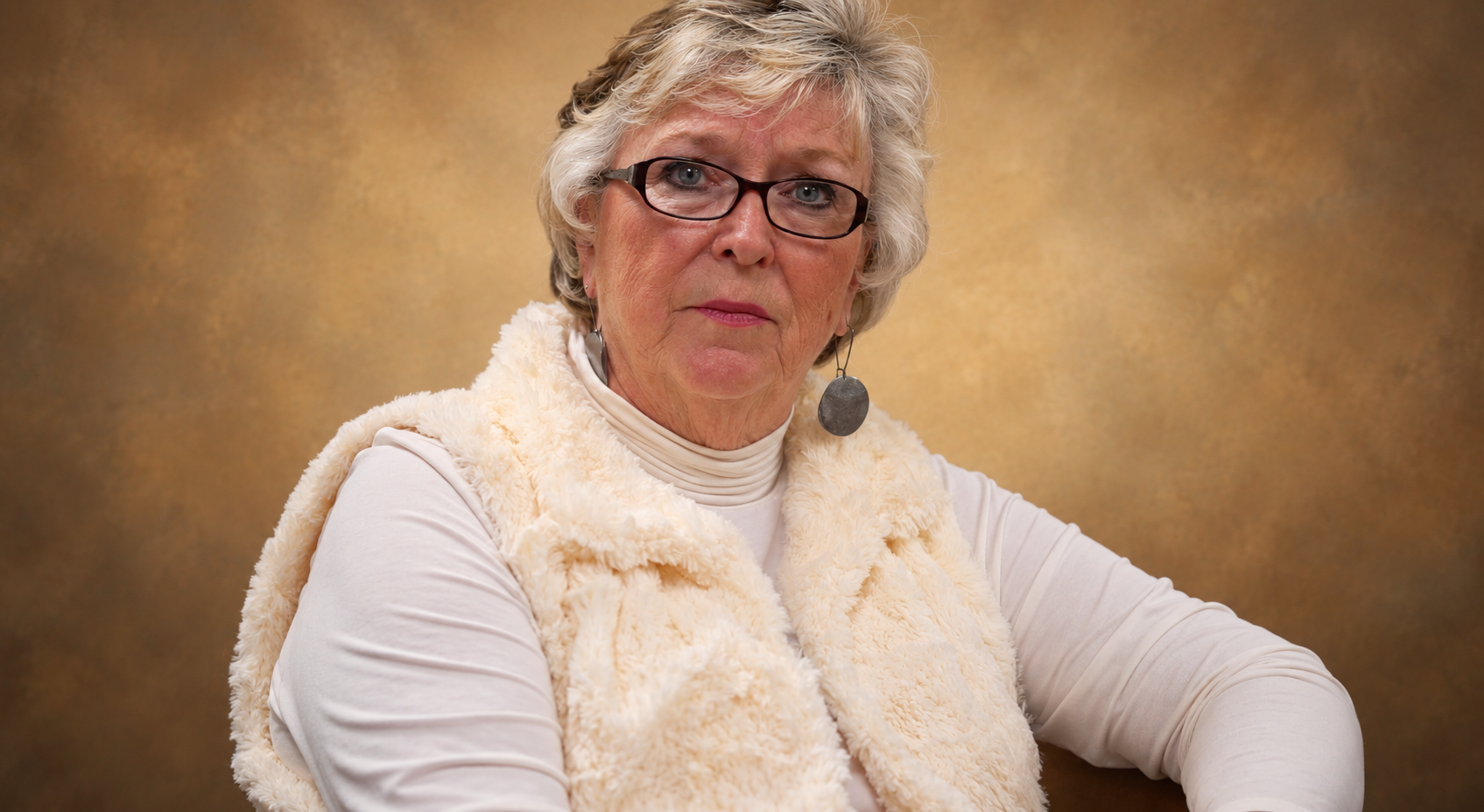
Chaplain Cyndee Thomas has devoted her ministry to people facing the hardest moments of their lives—and to the officers who stand beside them. As senior chaplain of the Redding Police Department, she responded to deaths, missing children, domestic violence and other crises. Her work included death notifications and support for law-enforcement families living with the pressures of the profession.
Her influence extends beyond one department. A past president of the International Conference of Police Chaplains, she has helped lead the profession as well as practice it. First Responder Support Network lists her as its chaplain director, continuing a commitment to the spiritual well-being of those who serve.
In conversations preserved by the Police Chaplain Project, Cyndee reflects on her first experiences in chaplaincy and the challenge of offering hope when a community is shaken by suicide. These interviews bring the work down to its human scale: a difficult conversation, a person in pain and a chaplain willing to stay present.
She also appears with her sister, Senior Chaplain Mindi Russell, reflecting on their childhood and their shared dedication to law enforcement. Together, their stories reveal how a lifetime of experience becomes a resource for others. Through the archive, Cyndee’s voice continues to offer encouragement and practical perspective to officers, families and chaplains.
Chaplain Larry Todd
Chaplain Larry Todd has been a steady friend of the Police Chaplain Project from the beginning. He is the founder and CEO of Central Texas Crisis Chaplains, an organization devoted to first responders, emergency response personnel, veterans, and small fire departments, and he serves as an elder with Chaplain Fellowship Ministries International. A retired Texas National Guardsman, he ministers as an all-faiths chaplain to the agencies and families of the Central Texas region.
His reflections on the funeral ritual — featured in the ChaplainUSA Survivor Network archive — have shaped how the project understands grief and ceremony, and his short videos on the stages of grief and on the simple, hardest work of showing up for someone in pain remain among the most viewed pieces in the collection. He also serves as a wedding and funeral officiant at the beloved Chapel Dulcinea in Austin, where he has long donated his officiant fees to organizations supporting police, firefighters, and veterans.
His warm, pastoral presence is part of what gives ChaplainUSA its character — and what has made him, in the language of one Texas profile, 'one of Texas' most experienced and acclaimed police and fire chaplains.'
Chaplain Andy Toopes
Andy Toopes has served as a law enforcement chaplain for more than 25 years, walking alongside officers with the Arkansas State Police, the Saline County Sheriff's Department, the ATF, and the DEA. In 1998 the International Conference of Police Chaplains recognized him with the John A. Price Award — its highest annual honor for 'a lifetime of achievement and excellence of service in law enforcement chaplaincy.' He continues that ministry today as a chaplain with the Bowling Green Police Department.
Since 2011 Andy has been Senior Pastor of Holy Trinity Lutheran Church (LCMS) in Bowling Green, where his calm, pastoral presence has made him the voice the local press turns to when the community needs a chaplain to speak. When his friend and fellow BGPD chaplain Michael Holian died in 2024, it was Andy whom the Bowling Green Daily News called for the tribute — a quiet sign of the stature he has earned across both his church and his department.
He lives in Bowling Green with his wife, Sue Ann, and together they have two daughters and five grandchildren — a steady ministry family that has anchored his work for decades.
Chaplain Lisa West
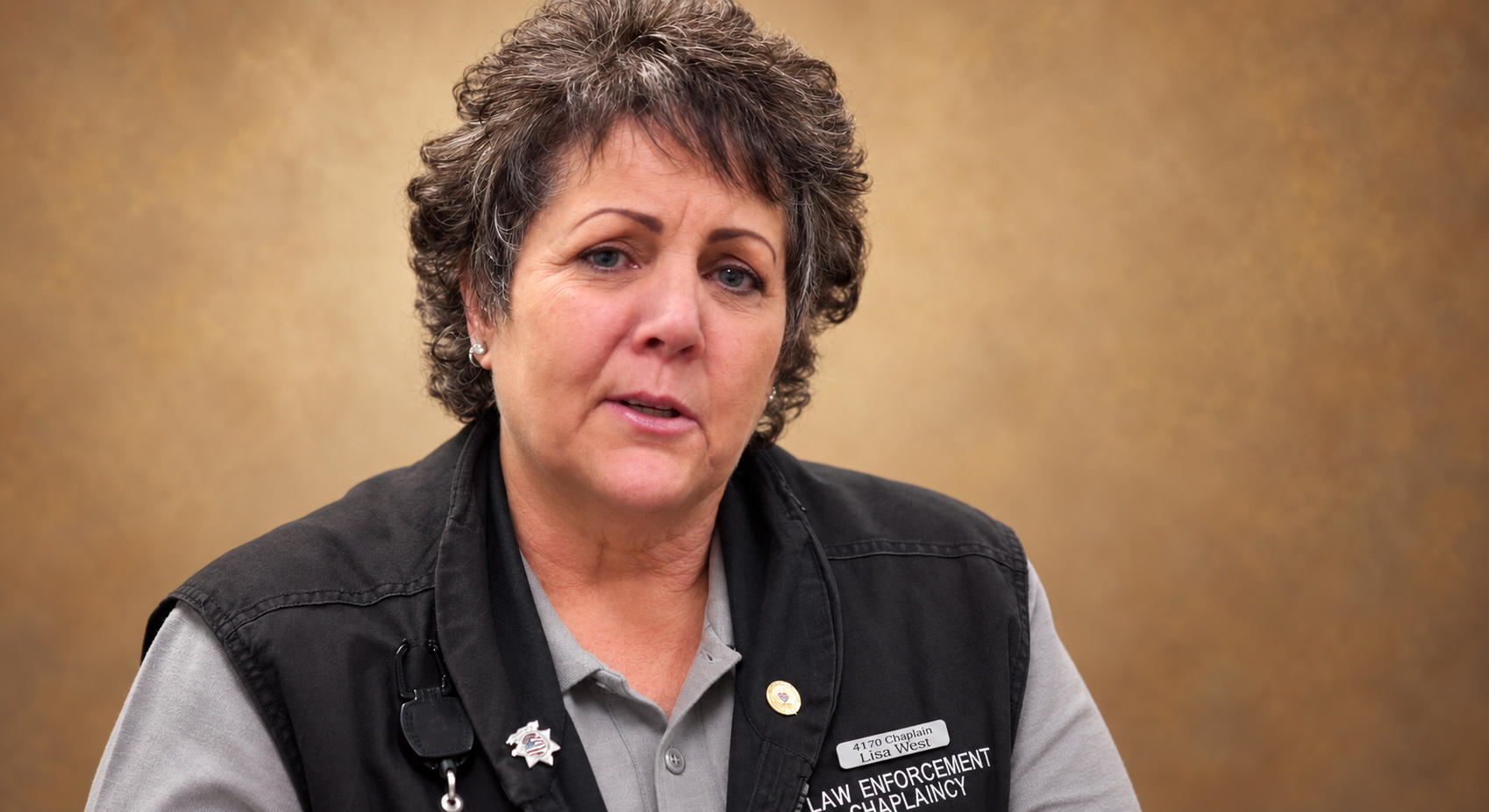
Lisa West began serving as a chaplain in 2014, with Senior Chaplain Mindi Russell as her mentor. Through the California Chaplain Corps, she supports officers and their families, as well as the administrative, medical and peer-support personnel around them. She also trains chaplains alongside Russell, helping prepare others to provide compassionate care throughout California.
Fr. Jeffrey Wolfe, OSFoc
Jeff Wolfe is a working police chaplain whose written contributions to ChaplainUSA — including his clear, careful guide to death notifications — turn hard-won field experience into practical resources for chaplains everywhere. Sworn as a chaplain with the Indianapolis Metropolitan Police Department in 2015, he became IMPD's chaplain training coordinator in 2017 and designed and launched the department's first eleven-week Chaplain Academy, followed by a four-to-six-month field training program. He also serves as an airport chaplain with the Indianapolis International Airport Interfaith Chaplaincy Program.
Fr. Jeff is an ordained priest and Franciscan friar in the Old Catholic tradition, serving as Vicar General and National Director of the OCCI Office of Chaplains and as co-pastor of St. John XXIII Catholic Church in Indianapolis. He has completed all twelve of the ICPC Basic Chaplain Credential courses and holds the Crisis and Trauma Specialist (CTS) certification. He is a Professional Member of the Spiritual Care Association's Division of First Responder Chaplains, where he previously directed the Fire, Police, EMS, and Disaster Chaplains program.
His writing — on the ministry of presence, on evidence-based chaplaincy, and on the simple discipline of showing up for the worst conversation a family will ever have — helps fellow chaplains do the hardest parts of the work with greater skill and care.