
Post 01
Use Their Name.
If you have to choose between saying something and saying nothing, say something. Nothing is usually worse.
Read → Donate
The Survivor Network is a national grief-literacy initiative shaped by the experience of police chaplains. Its purpose is to give departments, chaplains, families, civic groups, churches, friends, and neighbors the language and tools to support grieving people with confidence, humility, and care.
After a death, many people want to help. They just do not always know what to do next. They hold back because they do not want to intrude. They offer general help when specific help would be easier to receive. Most of this comes from good intentions. But good intentions still need direction.
Police chaplains are called into homes, hospitals, squad rooms, and quiet conversations after the worst has happened. That experience gives chaplains a unique role — and the Survivor Network gathers that field-tested wisdom and turns it into practical guidance that can be shared nationally.
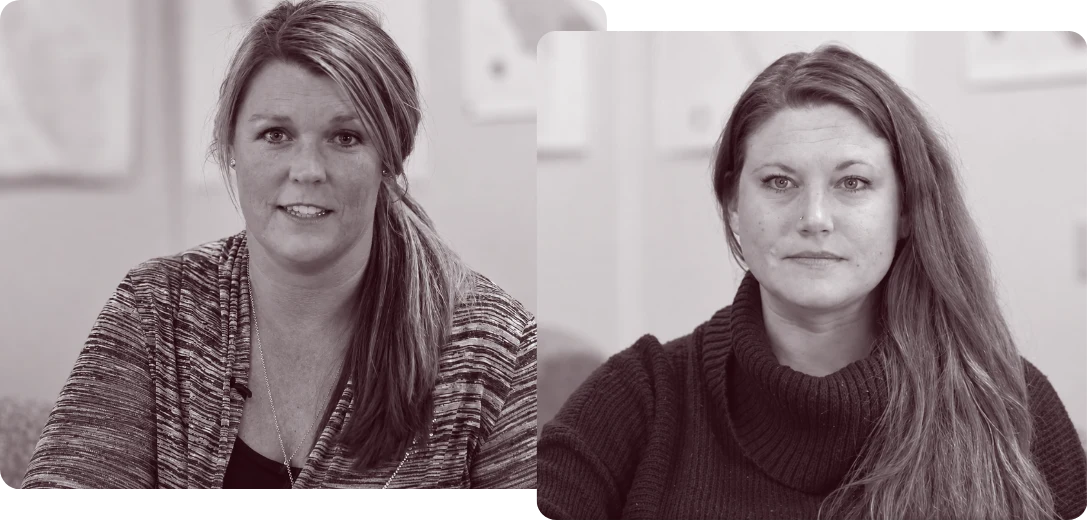
"The potential of the Survivor Network is way beyond church and religion. It has a sense of God breathing in it. It pulls people towards the objects of God's affection — people who are suffering and grieving."— Chaplain Steve Rekedal
Ten posts for everyone who wants to show up but doesn't know what to say. Each article includes a downloadable Field Brief.
If you have to choose between saying something and saying nothing, say something. Nothing is usually worse.
Read →
The first week is crowded. The third month can be lonely.
Read →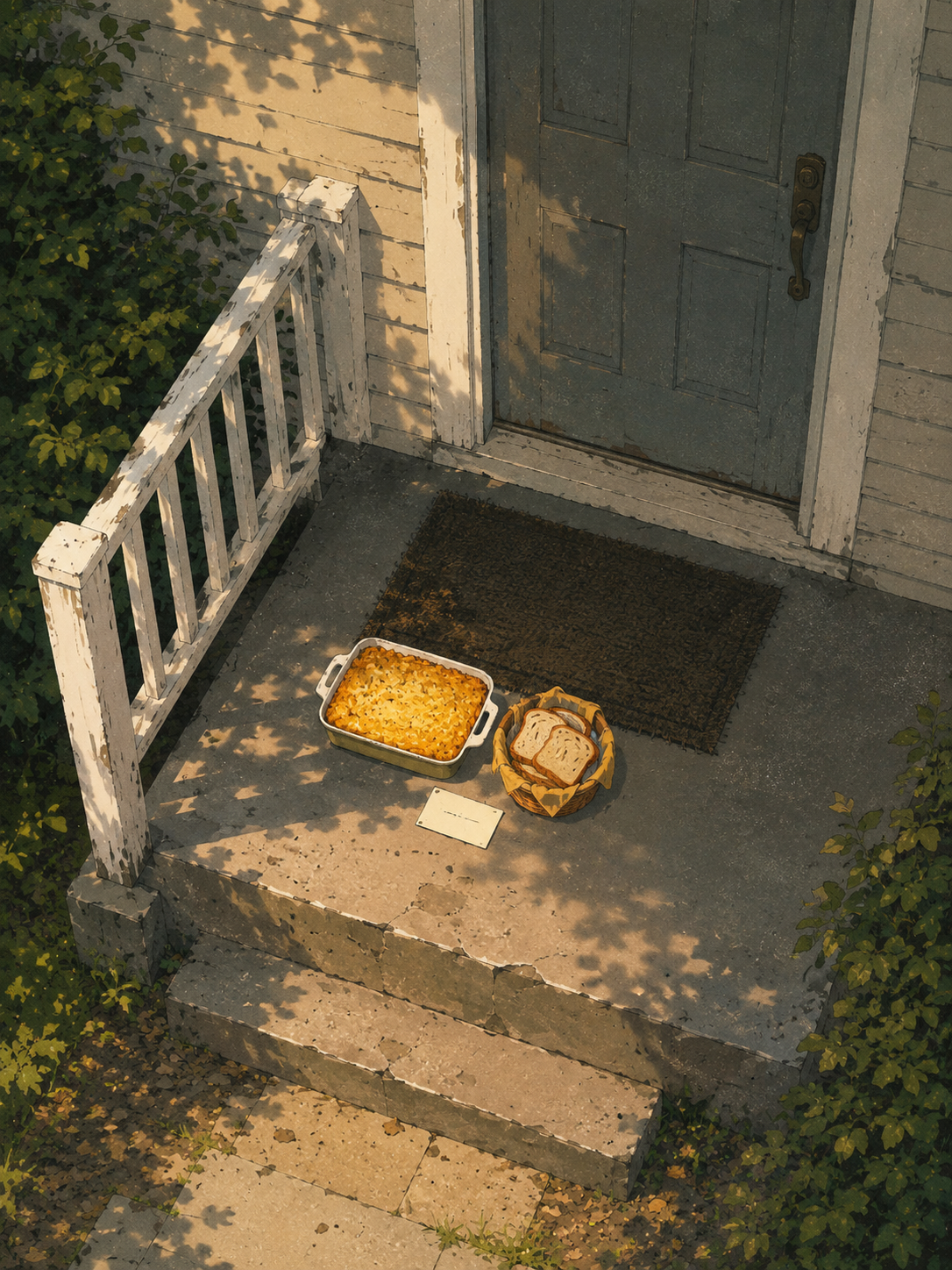
"Let me know if you need anything" usually gives the grieving person another job.
Read →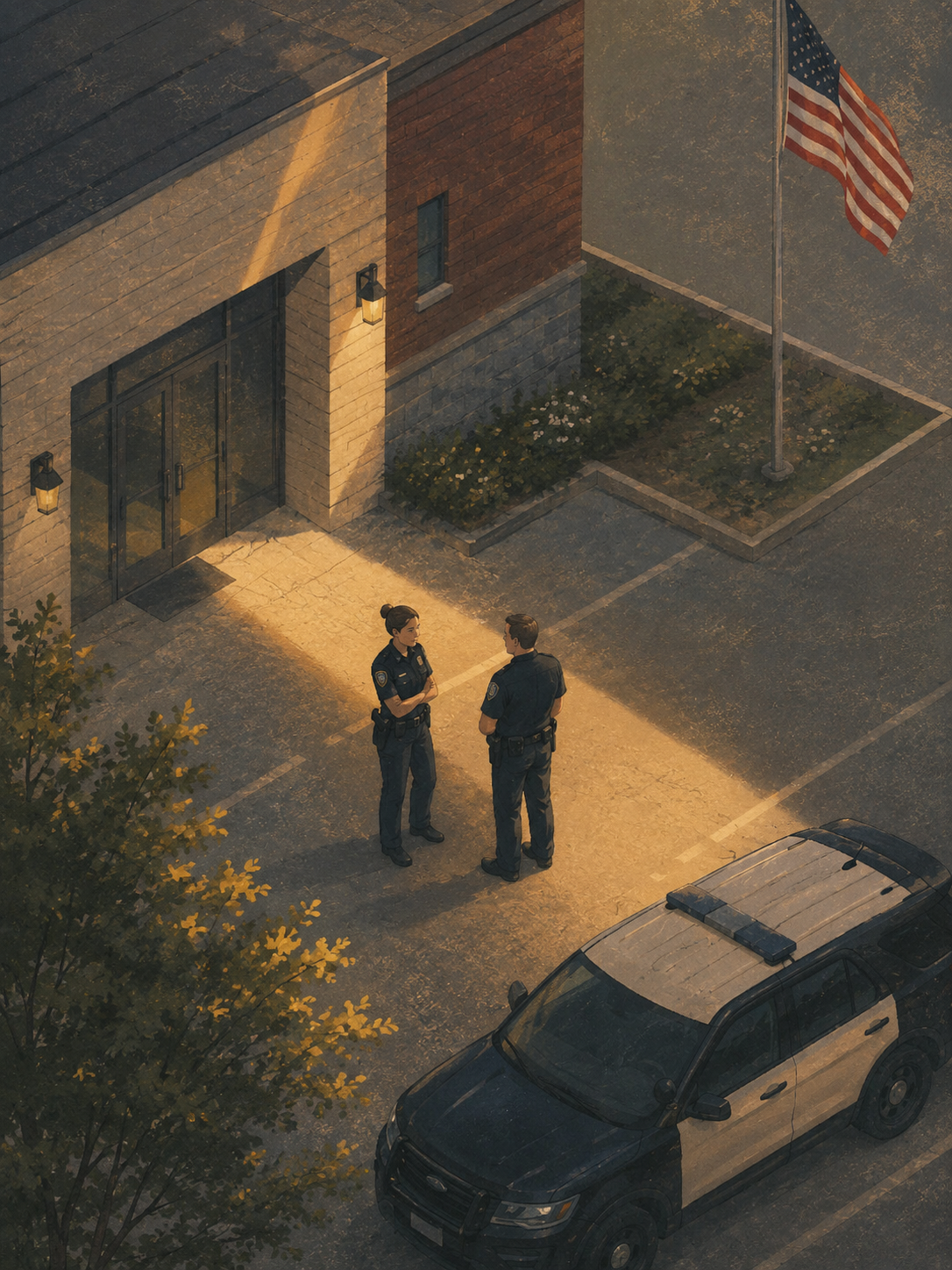
A fallen officer leaves more than an empty chair at home.
Read →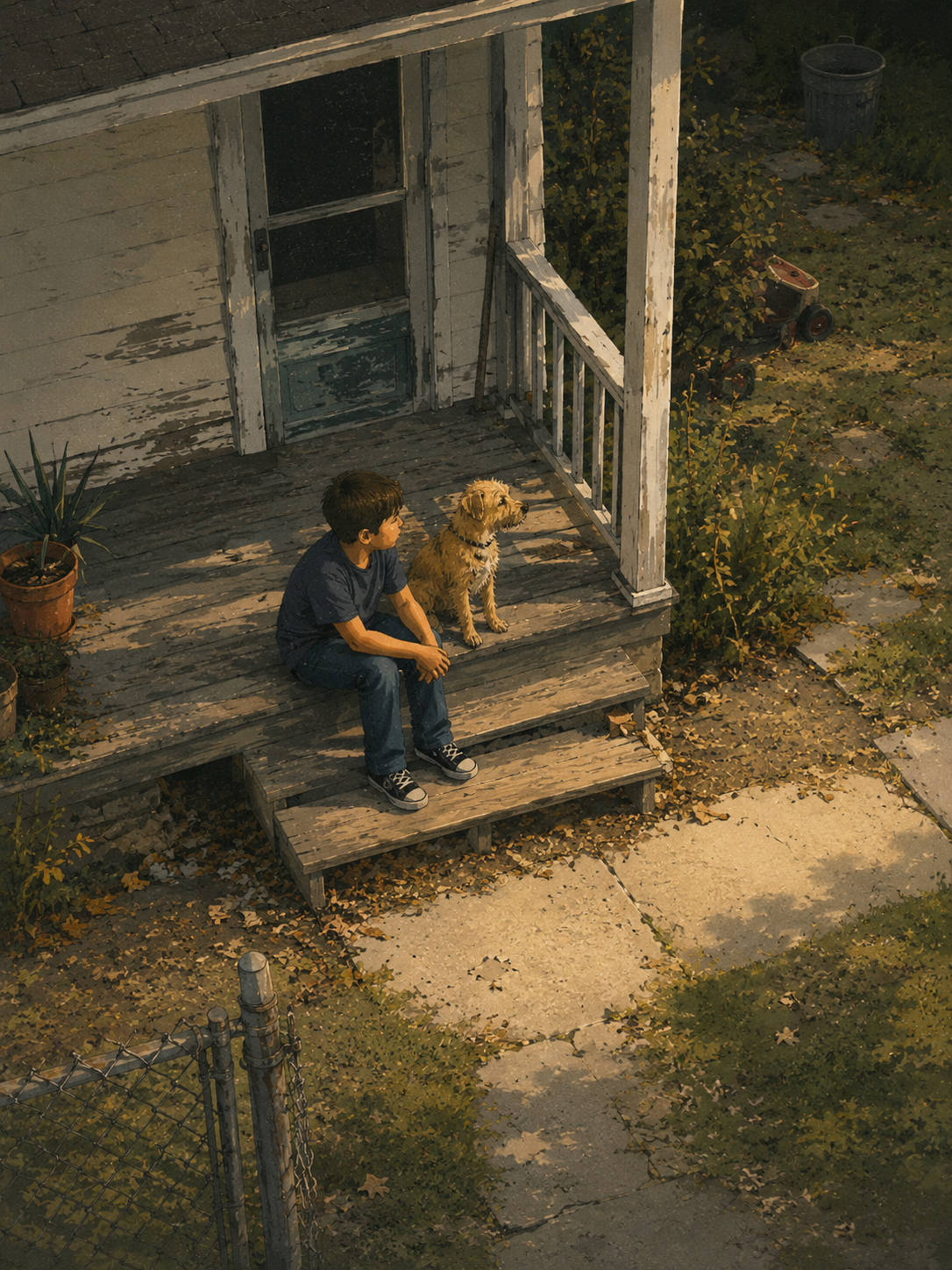
Children know more than adults think, and they remember who kept showing up.
Read →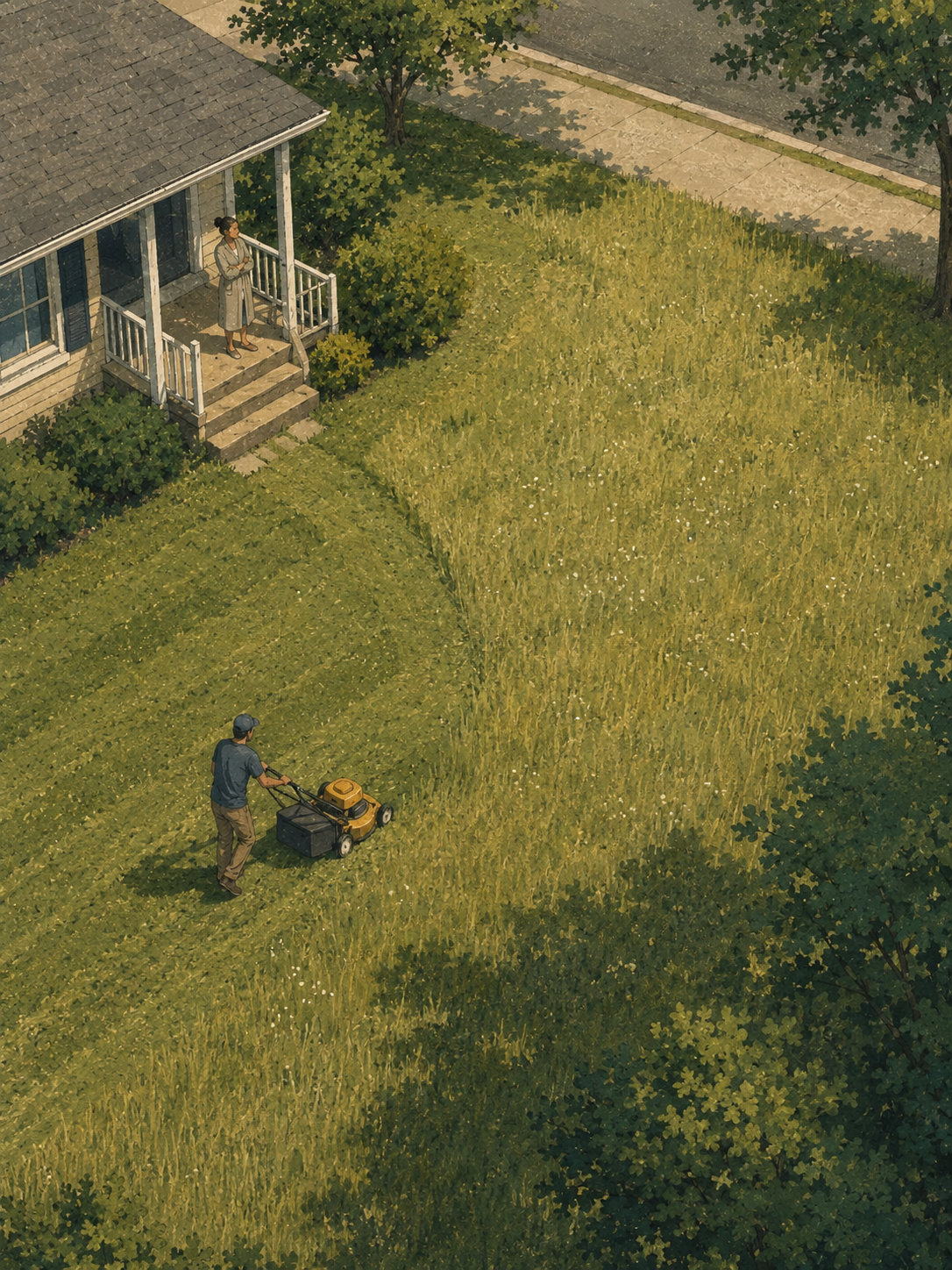
Care should not be left only to agencies and organizations.
Read →
Birthdays, court dates, and anniversaries can bring the loss close again. A chaplain who records those dates can reach out before the family has to ask.
Read →
Most grieving people need fewer speeches and more steady people.
Read →
Most people are not heartless. They are untrained.
Read →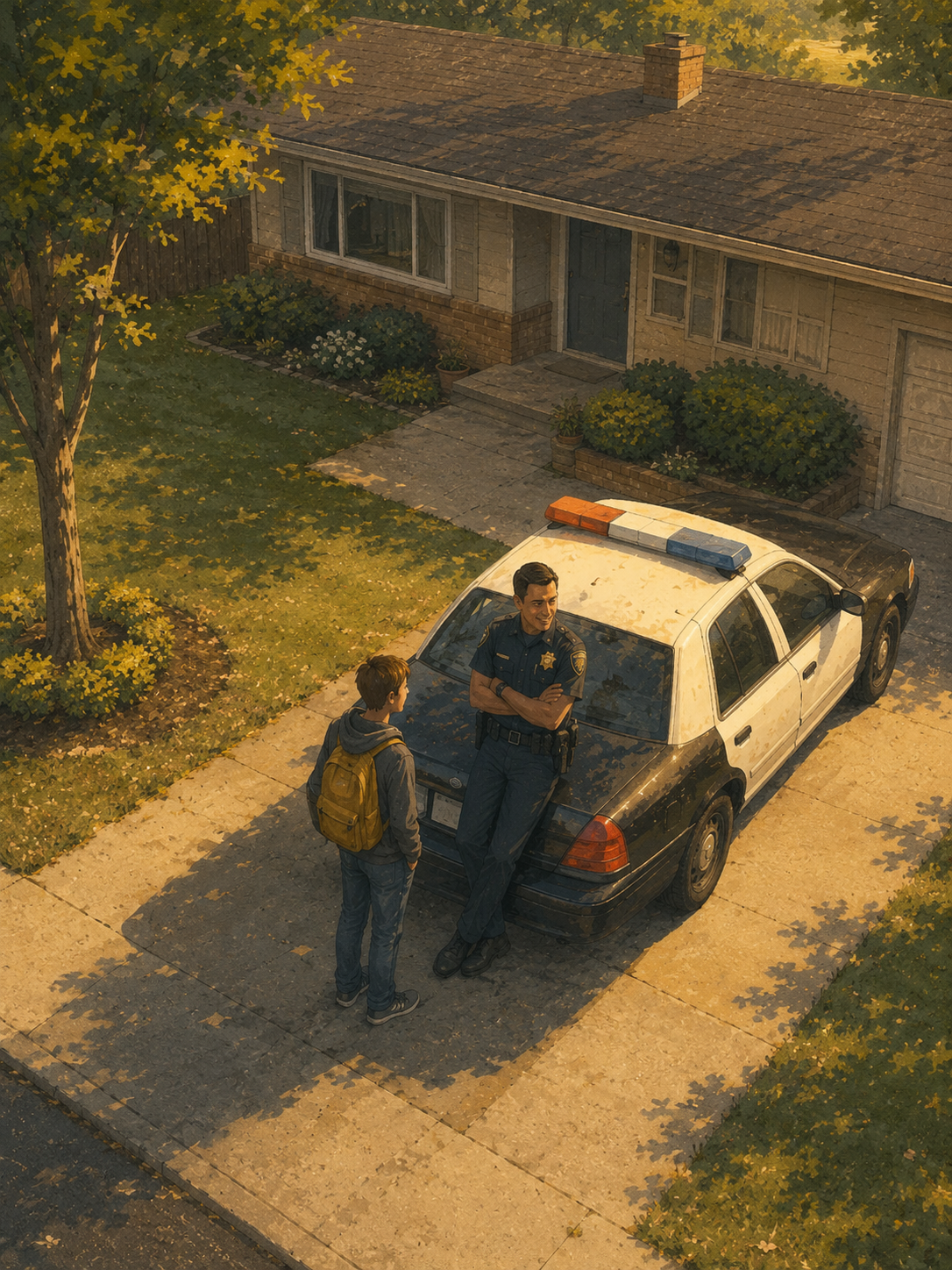
The name should be carried by more than one household. Regular calls, remembered milestones, and a named liaison keep a family connected as the years pass.
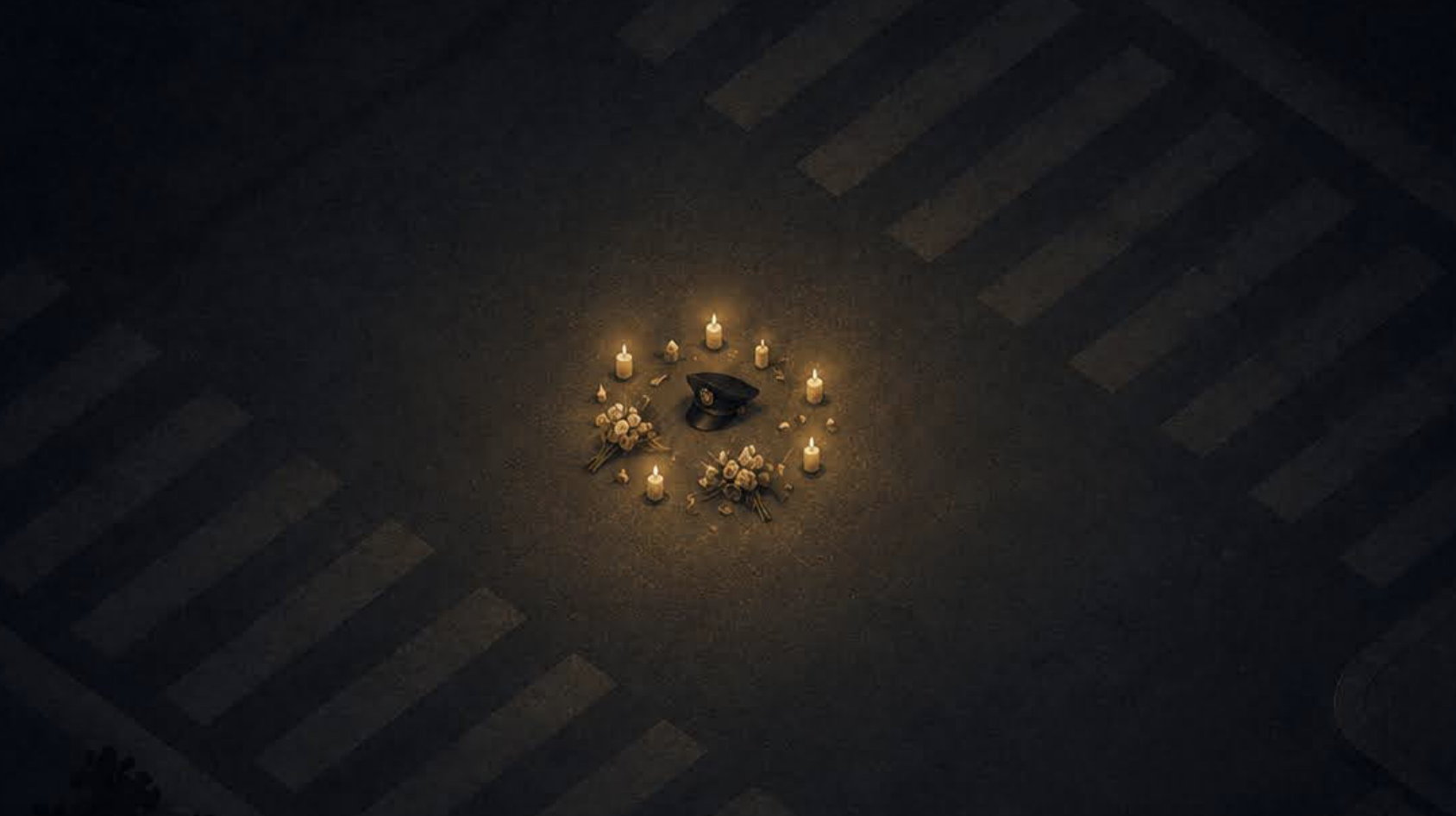
Read →Grief keeps its own calendar, and it runs for years past the funeral. Each stop below is a moment chaplains know by heart — with the field note written for it.
The Survivor Network was built for the gap at the fourth stop: the hours after the funeral, when no primary support is available and the silence begins.
If you have to choose between saying something and saying nothing, say something. Nothing is usually worse. Using the name doesn’t cause the grief — the grief is already there.
Short words, said plainly, and said again next month.
They try to fix grief. Grief can’t be fixed — only accompanied.
Listen for the word “still.” It can carry judgment whether you mean it to or not. And instead of “let me know,” make one specific offer: “I’ll bring dinner Thursday.”
Put it into practice
Keep these action steps and checklists close when planning support for a grieving family or community.
Lessons for Uncomplicating Grief.
Short, practical blog posts for chaplains and caregivers supporting people in grief. Each one names a common mistake, says what seasoned chaplains know, and leaves you with something to do this week.