
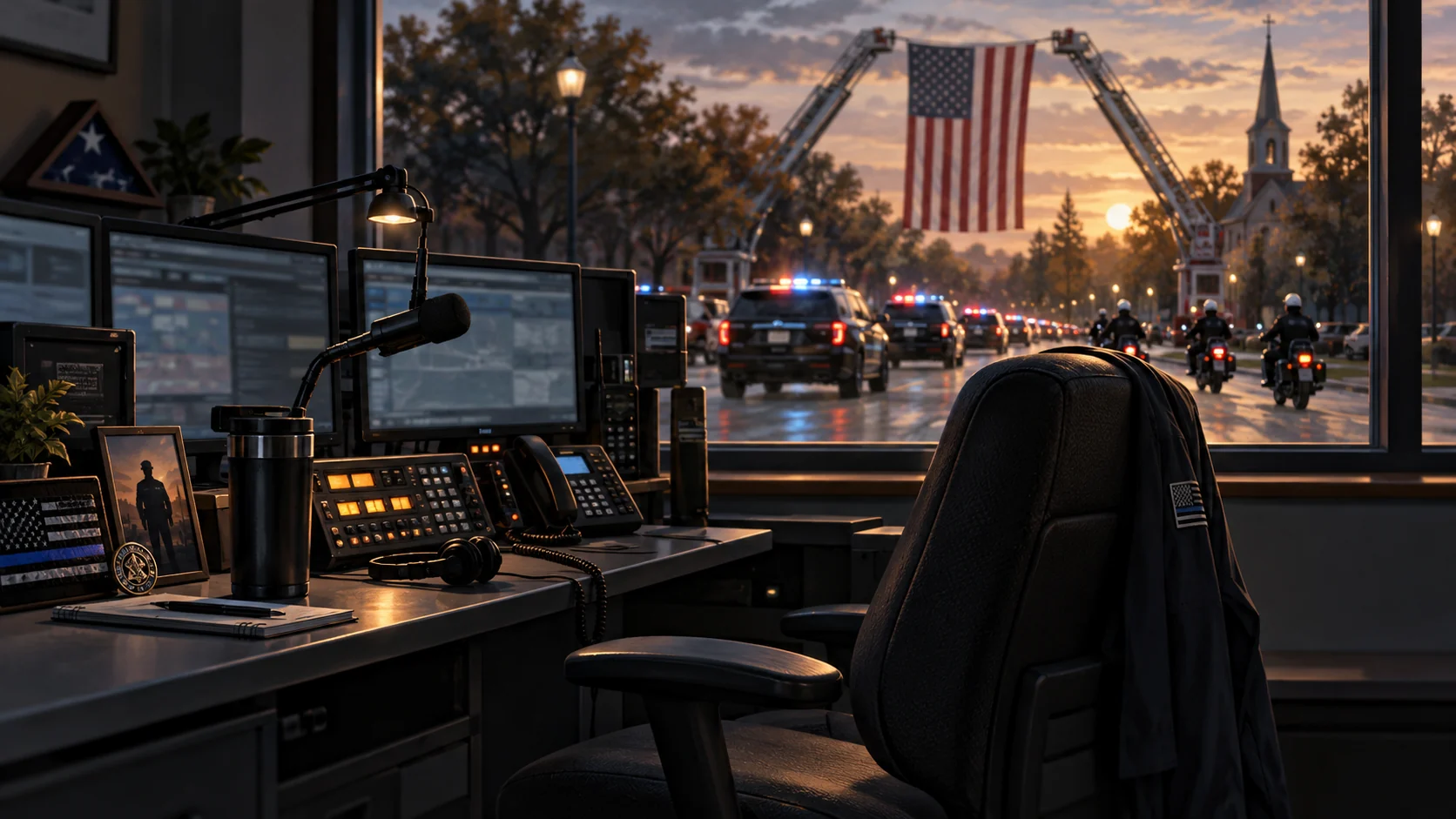
Every colleague wants to be there. The next emergency call will still need an answer.
In a small department, a death can touch nearly everyone personally. The people planning the service may also be the people covering shifts, answering public questions and trying to understand their own loss.
Make room to grieve before you need it.
Coverage should be part of preparation, not a last-minute favor requested while the family is waiting for decisions. Ask agency leaders how they would arrange essential services if many personnel attended a funeral.
Which partners could assist? Who would make the request? What authority, communications and local knowledge would supporting personnel need? The answers belong in the agency's approved arrangements, developed with the appropriate partners.
Include the people whose work is easy to miss.
Dispatchers, civilian staff and others may have known the officer closely. Ask how they will be included and what support will be available to those who must remain at work. Attendance is not the only way to honor someone, but being overlooked can hurt.
Consider a later opportunity to remember the officer for personnel unable to attend, guided by the family's preferences and the agency's circumstances. Make sure someone checks on the people holding the shift together.
A chaplain can help connect the planning to the people.
Chaplains do not assign operational coverage. They can raise the question, listen to concerns and help leaders recognize needs beyond the ceremony. They can also prepare their own support arrangements so one grieving chaplain is not expected to carry every conversation.
The Justice Department's small and rural law-enforcement resources offer a starting point for agencies looking for assistance. Within ChaplainUSA, the Living Resource Guide helps turn a collection of contacts into relationships that can be maintained before a crisis.
Explore the ChaplainUSA Blog →