
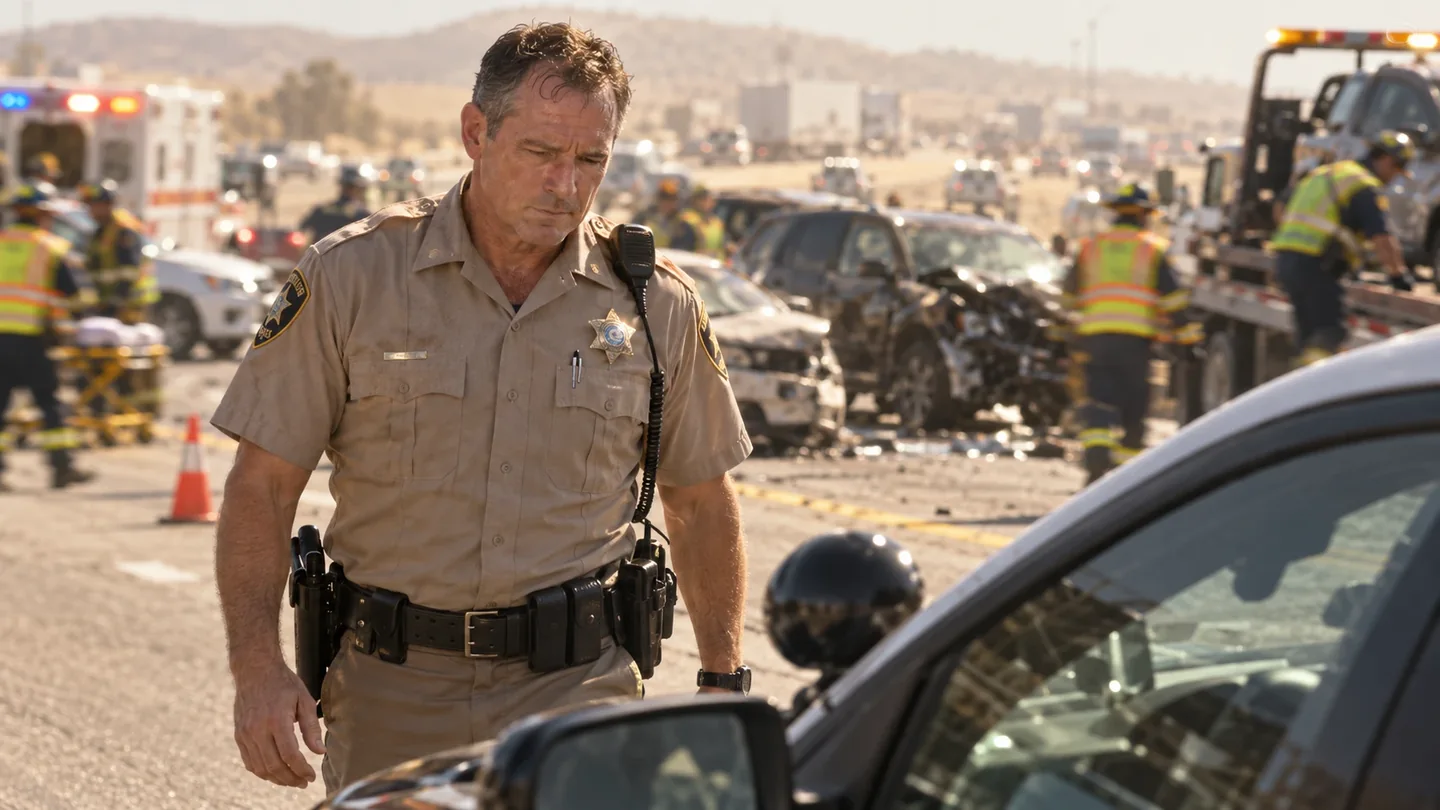
“Other jobs are more dangerous.” It is a familiar argument. The useful answer begins with understanding the comparison.
A worker killed at sea or on a logging site is no less deserving of grief because the work did not involve a badge. We can acknowledge those losses while speaking clearly about the risks police officers face.
Use the numbers honestly.
The Bureau of Labor Statistics compares fatal occupational injury counts and rates. A rate accounts for exposure through full-time-equivalent employment; a count is a total. Those are different measures, and neither should be substituted for the other to win an argument.
BLS also explains that its fatal-injury counts generally exclude illness-related deaths unless an injury event precipitated them. That scope matters. A workplace fatal-injury ranking is not a complete assessment of health, accumulated strain or every consequence of a career.
The next question is about the kind of danger.
Police work can include intentional attacks, vehicle incidents and other hazards. The FBI's LEOKA program studies officers killed and assaulted to inform safety and training. Understanding circumstances is more useful than turning a ranking into a verdict about whose work deserves support.
Ask what the officer in front of you has experienced. What follows them home? Which concern has become difficult to discuss? What help is available, and do they trust it? A national table cannot answer those personal questions.
You can defend the work without dismissing another worker.
Try this: “Those occupations deserve serious safety measures too. My concern is what we are doing about the risks our officers face—and whether we are looking after the people who face them.”
That moves the conversation toward responsibility. It gives room to discuss practical safety, supportive relationships and access to appropriate care. The aim is to make the next day safer, not to make another profession's grief count for less.
Explore the ChaplainUSA Blog →