
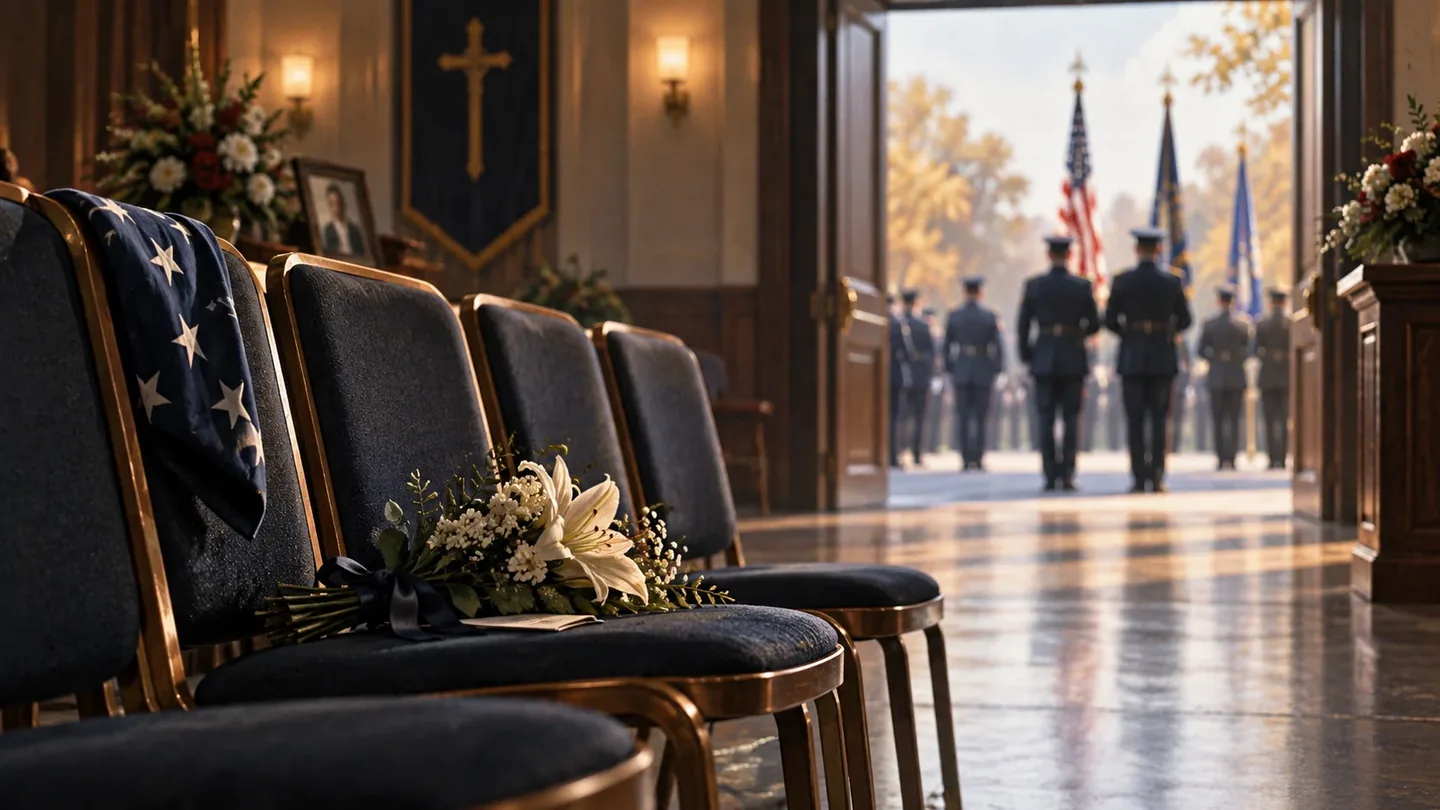
A department may be ready to honor an officer before it has asked the family how they want to remember the person they loved.
The uniform tells one part of a life. At home, that person may have been the patient parent, the terrible cook, the friend who always called back. A service can honor the profession and still leave room for those ordinary, irreplaceable details.
Ask before you assume.
What would the family find comforting? What do they want kept private? Are there religious or cultural practices to respect? Who should be included in the conversations? Are there elements of a proposed ceremony they would rather decline?
Ask gently, and avoid presenting every option at once. Give the family time where time is available. Explain practical deadlines without turning urgency into pressure.
Give the family a steady point of contact.
Repeated requests from different people can make a family feel responsible for managing the department. A designated contact can gather questions, explain decisions and bring concerns back to the planning team.
That person's job includes listening when the family's preferences differ from tradition. A chaplain can help make space for those conversations. Funeral directors and agency planners can then work through what is possible, rather than discovering a disagreement during the service.
Remember who will live with the memory.
The public may remember the procession. The family may remember a name mispronounced, a child included with care, a story that made them laugh, or someone who noticed they needed a quiet place.
Think through access, seating, privacy and the needs of children with the people organizing the service. Ask who will stay in contact after visitors leave. The end of the ceremony should not become the end of the relationship.
Resources for chaplains and caregivers →
Explore the ChaplainUSA Blog →