
← Survivor Network

Liz & Kaylen · Two stories of support

What families need.
How chaplains help.

Two women describe what a line-of-duty death asks of a family—and how one trusted chaplain helped a community begin caring for its own.

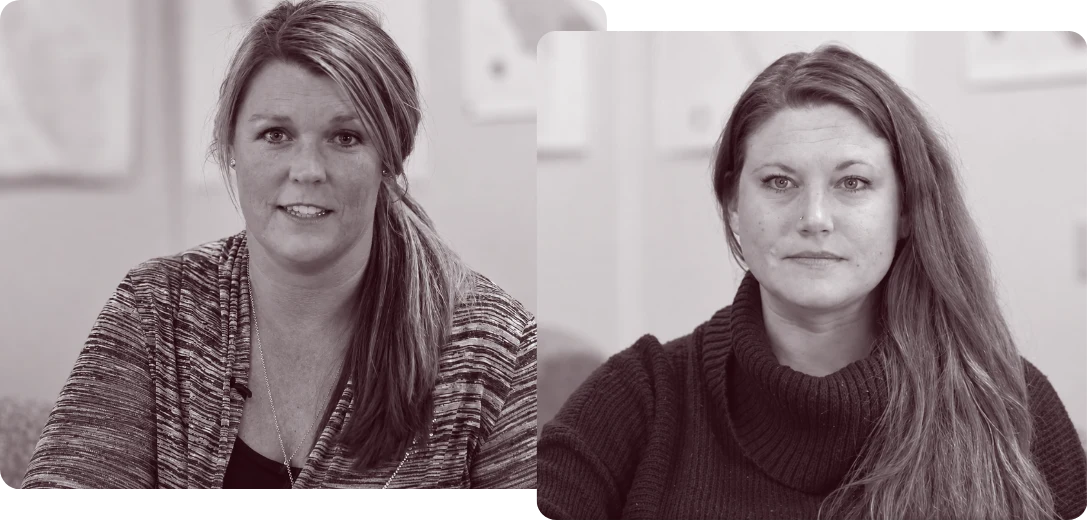
Sepia portraits of Liz Brown and Kaylen Bynoe
Liz Brown & Kaylen Bynoe · The Police Chaplain Project

The lives behind these stories

A community connected by loss.

October 24, 2014Deputy Danny Oliver is killed beside his partner, Scott Brown. A need becomes visibleLiz Brown begins creating a place where law-enforcement spouses can talk and receive support. August 30, 2017Deputy Bobby French is killed, and his daughter Kaylen turns to a chaplain her family already trusts.
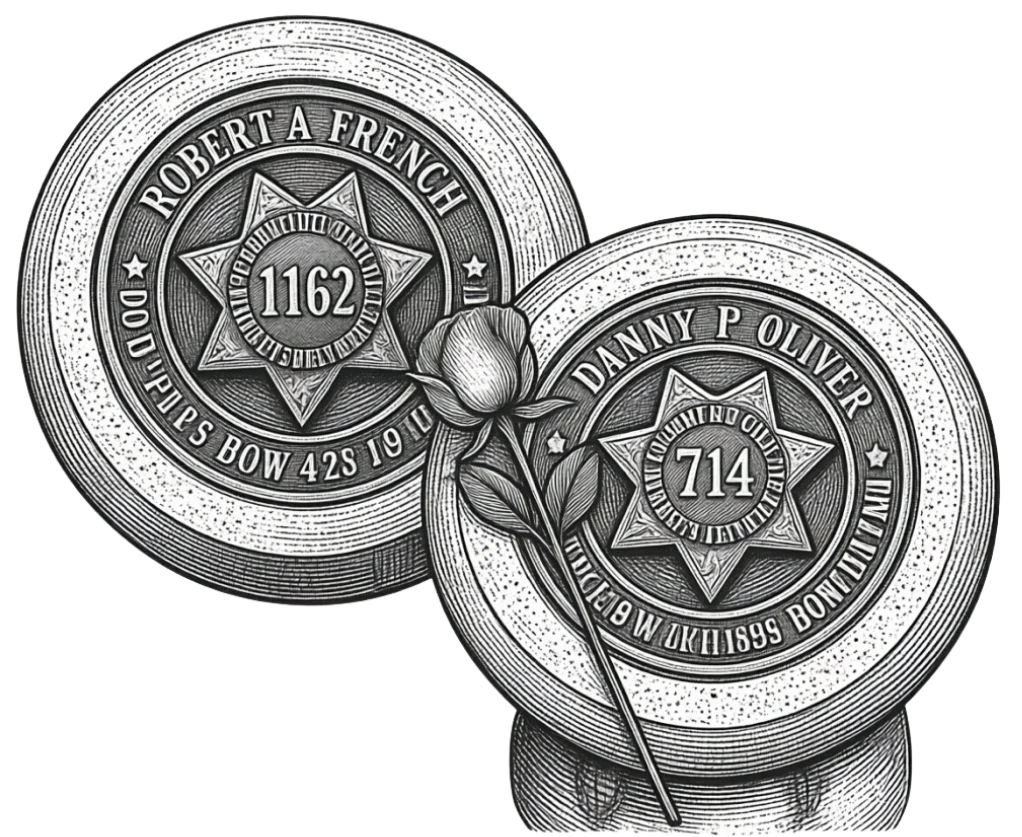
Memorial illustration honoring Deputies Robert A. French and Danny P. Oliver
Remembering Deputies Bobby French and Danny Oliver
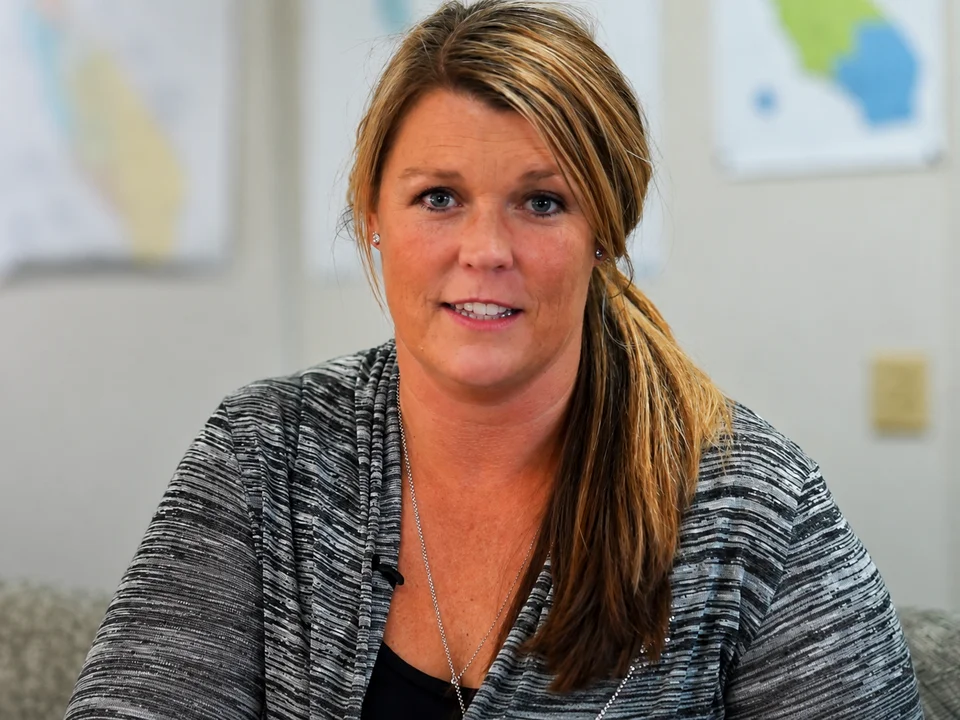
Liz Brown Watch Liz’s story

The spouse who saw the need

Liz Brown

A support network begins

Liz Brown’s husband, Sacramento County Sheriff’s Deputy Scott Brown, was beside his partner Danny Oliver when Oliver was shot and killed in 2014. Scott survived. Liz saw how the shooting continued inside the officer’s home, long after the public response had ended.

When another Sacramento deputy, Robert “Bobby” French, was killed three years later, Liz was helping bring law-enforcement spouses together with Chaplain Mindi Russell. Our interview caught the work at its beginning, before the idea had fully become an organization.

“We realized that there was a need for the spouses to have a place to go—a place to debrief.”
Kaylen Bynoe Watch Kaylen’s story

The daughter who received the care

Kaylen Bynoe

Her father, Deputy Bobby French, EOW August 30, 2017

Kaylen Bynoe spoke with the Police Chaplain Project shortly after her father was killed in the line of duty. She described the anger, exhaustion and difficult decisions that followed—and the steady presence of Chaplain Mindi Russell during the funeral planning.

Mindi had supported the family through the deaths of Kaylen’s grandparents nearly a decade earlier. When Bobby was killed, the chaplain arrived as someone the family already knew. That long-established trust helped bring calm and unity during the hardest days of their lives.

Kaylen’s account shows what becomes possible when a chaplain is already part of a family’s circle of trust.

The connection

One story reveals the need. The other shows what trusted support can do.

Liz and Kaylen stand on different sides of the same community response. Liz recognized that the spouses and families behind the badge needed a place of their own. Kaylen’s story shows why those relationships must be built before tragedy arrives.

Together, their interviews preserve more than two memories. They offer a working model: bring spouses together, place trained chaplains within that circle and build trust early enough that no family has to begin alone.