

Calling: The Voice That Won't Let You Settle
When people talk about having a calling, it usually sounds grand. A burning bush. A bolt of lightning. A moment of divine revelation so clear and unmistakable you build your life around it. We reserve the word for priests and missionaries and founders of movements.
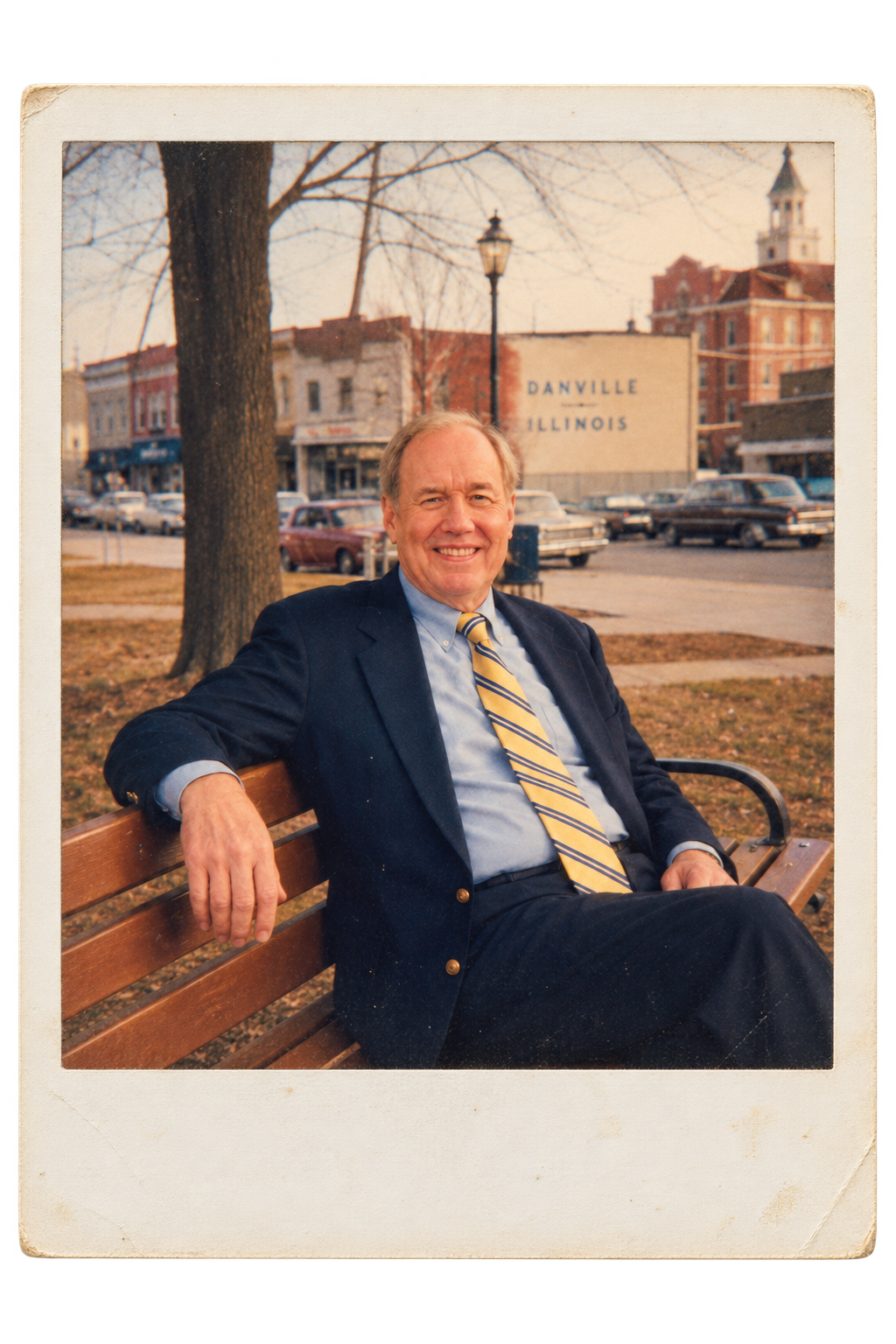
Bob Jones had a different definition.
A calling, he believed, is simply that persistent, stubborn, deeply personal whisper that refuses to let you be less than yourself. It is not always loud. It is often inconvenient. It does not care about your five-year plan. But it knows your name, and it keeps finding you, even when you try to outrun it.
There's a famous scene from The Graduate that Bob loved to reference. Young Benjamin Braddock, fresh out of college, gets cornered at a party by a well-meaning family friend who leans in and says with absolute confidence: "Plastics." One word. The future, mapped and delivered. Benjamin listens politely and then goes looking for something else entirely.
We do not have to follow the path that was prescribed for us by well-meaning people who love us. Their visions for our lives are barely relevant to the one we must actually live. We can be led to the crossroads. But in the final analysis, we must travel on — toward what is ours.
Bob made that turn himself. He walked away from a life that was making him wealthy on the outside and hollow on the inside, and he followed something harder to explain and far more his own: a pull toward the wounded, the overlooked, the kid sitting in the corner daring anyone to try and reach him.
Joseph Campbell, whose work Bob frequently drew from, said it plainly: follow your bliss. Not the bliss of ease or comfort, but the bliss of aliveness — the feeling of being most fully yourself, most fully engaged, most fully present.
The problem is that our authentic self and our false self are always in conversation, and the false self is often louder. The false self tells you what you should want — what is safe, respectable, approved. The authentic self knows what you actually want, which is often messier and scarier and less guaranteed.
Bob called this the core spiritual battle: between the self that was shaped by fear and the self that was created by love. And he was clear that this wasn't a battle you win once. You choose, again and again, which voice to follow. Each day you get to decide whether to take one step toward the life that is actually yours.
Ask yourself the question Howard Thurman posed: "What makes you come alive?" Not what you're good at. Not what pays well. Not what your parents hoped for. What makes you come alive?
Then do that thing — even in a small way, even today. A calling doesn't require you to quit your job tomorrow. It requires you to honor what is true about you in whatever space you have.
And if you don't know yet, sit quietly and ask. Not in the noise of activity, but in the stillness that Bob found in contemplative prayer. The voice of calling is usually a whisper. It requires quiet to hear.
Your particular adventure is perfectly fitted just for you. No one else can live it. No one else has exactly your gifts, your wounds, your history — the specific combination that makes you you. That is not an accident. That is the design.
Follow the whisper. It knows where it's going.
Bob ended every letter, every session, every goodbye with the same words: Fair winds and following seas. I'll be seeing you.
— A reflection on the life and work of Robert Kenneth Jones (1950–2020).
Bob Jones spent more than four decades quietly innovating in the treatment of addiction and the wounds of childhood abuse. The Next Right Thing continues his archive of recovery, resilience, and faith.