

Reflection: The Stillness That Shows You the Way
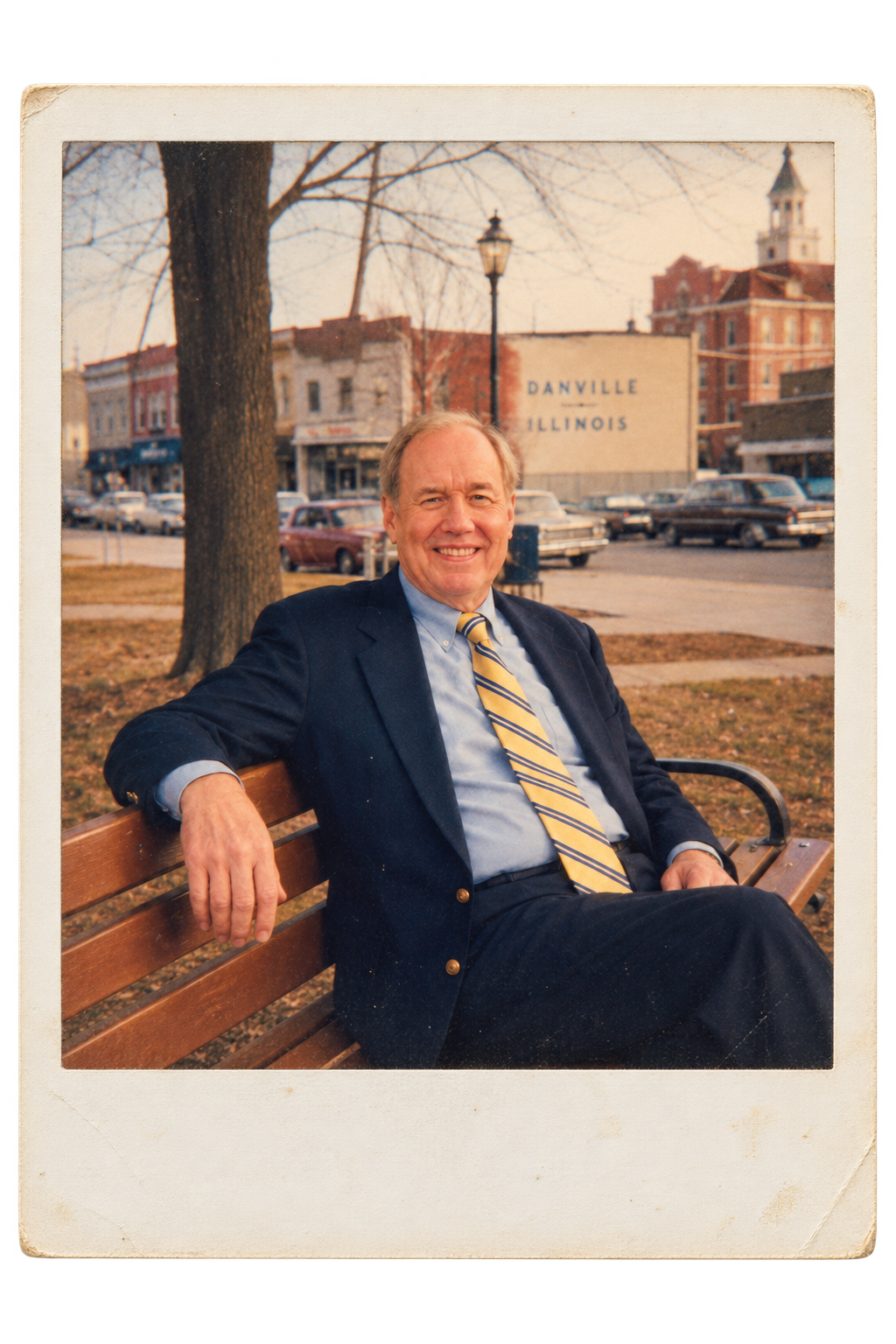
We tend to think of reflection as looking backward. Reviewing the footage. Examining mistakes. The inner audit that happens when things go wrong and we try to figure out why. We sit with our thoughts the way you sit with a difficult bill — reluctantly, briefly, because something has forced the issue.
Bob Jones had a different definition.
Reflection, for Bob, was not primarily about the past. It was about becoming quiet enough to hear what is already true. It was the practice of creating space — intentional, protected, unhurried space — where the noise dies down and something deeper becomes audible. He called it contemplation. And he believed it was not a luxury. It was the source.
Bob described a period of his life when he was in constant motion — chasing money, accumulation, the next achievement. He was, by most measures, successful. He was also, by his own account, completely disconnected from himself and from God.
The unraveling he went through — the loss of everything he had built — turned out to be, in the end, a forced retreat into stillness. He couldn't outrun himself anymore. And in the silence that followed, he found something he had never been looking for: joy. Not happiness, which depends on circumstances, but joy — the steady, bone-deep sense that underneath everything, there is something solid.
He carried that discovery into his work for the rest of his life. Contemplation wasn't just what saved him. It was what equipped him to sit in rooms with people in the deepest possible pain without flinching.
The neuroscience of mindfulness and the Christian tradition of contemplative prayer have arrived, by different roads, at remarkably similar conclusions: the mind requires stillness to function at its best. The survival brain, always scanning for danger, cannot distinguish between an actual threat and a worried thought. Only in stillness can the thinking brain reassert itself and offer perspective.
Howard Thurman — a theologian Bob deeply admired — wrote that "there must come a deep joy which springs up in the face of hatred and injustice." And Thurman was clear: this kind of joy is not discovered in activity. It is discovered in prayer, in stillness, in the contemplative practice of turning toward the source.
Bob believed that God speaks in whispers more than in thunderclaps. And that most of us are simply too loud — too busy, too distracted, too afraid of what the quiet might reveal — to hear.
Find ten minutes today. Not multitasking minutes. Not background-music minutes. Actual, intentional quiet. You don't need a particular tradition or technique. You need a chair, a closed door, and the willingness to sit with yourself.
Bob practiced centering prayer: sitting quietly, releasing thoughts as they come (not fighting them — just releasing), and returning again and again to an intention of openness. The thoughts come back. You release them again. That is the practice. It is not complicated. It is difficult, which is not the same thing.
Ask one simple question in that stillness: What is the next right thing? Not the right life strategy. Not the solution to the biggest problem. Just: what is the one true thing I could do today?
Then listen. Really listen.
In the stillness, you are not alone. That is the thing Bob knew with a certainty that four decades of hard living had only deepened: beneath the noise, beneath the fear, beneath the catalog of everything you haven't figured out yet, there is a love that will not let you go.
Get quiet enough to feel it.
Bob ended every letter, every session, every goodbye with the same words: Fair winds and following seas. I'll be seeing you.
— A reflection on the life and work of Robert Kenneth Jones (1950–2020).
Bob Jones spent more than four decades quietly innovating in the treatment of addiction and the wounds of childhood abuse. The Next Right Thing continues his archive of recovery, resilience, and faith.