
Isolation: Forgetting That You Are Loved
When we talk about isolation, we usually mean being physically alone. No people around. The apartment that echoes. The holiday spent without family. The long hours between conversations. We think of it as a logistical problem, solvable with enough social activity.
Bob Jones had a different definition.
Isolation, he said, is not primarily about how many people are in the room. It is about whether you believe you belong there. It is the interior experience of being invisible — present in body, absent in meaning. You can be deeply isolated in a crowd, at a party, in a marriage. And you can be genuinely connected sitting by yourself at a window.
True isolation is forgetting that you are loved. And the antidote is not just more people. It is the recovery of that knowledge.
Bob noticed something that most people skip over in their rush to solve the problem: isolated people usually have a story they tell themselves about why they are alone. And the story almost always locates the problem inside themselves. I am too much. I am too damaged. I have used up the goodwill available to me. Nobody actually wants to know the real version.
He called this the false self — the identity shaped by fear and failure rather than by love and truth. The false self is a very convincing narrator. It has evidence. It has a long memory. It knows exactly which moments to replay when you are most vulnerable.
But Bob was insistent: the false self is not telling the truth. It is running a program installed by trauma, disappointment, and sometimes by people who should have known better. The authentic self — the one underneath — knows something different.
The research on loneliness is among the most urgent in contemporary medicine. Social isolation is now understood to be a significant mortality risk — not just a quality-of-life issue, but a health crisis. And the mechanism is psychological as much as it is physiological: lonely people are more likely to interpret ambiguous social signals as threatening, which causes them to withdraw further, which deepens the isolation, which reinforces the story that they don't belong.
It is a spiral. And spirals require interruption.
Bob believed the deepest interruption was spiritual. The consistent refrain of his writing — the phrase he returned to over and over as though he could not say it enough — was this: "We are the beloved." Not some of us. Not the ones who have earned it. All of us. Including the person reading this who has decided that phrase doesn't quite apply to them.
It applies to them most of all.
If you are in the grip of isolation right now, the first practice is this: do not trust the story. The story that says you are too much, or not enough, or beyond the reach of connection — that story is not reliable. It is a symptom, not a diagnosis.
The second practice is to reach out to one person. Not to explain yourself. Not to ask for help, necessarily. Just to make contact. Send the text. Make the call. Show up somewhere you've been avoiding. The simple act of making contact interrupts the spiral.
And the third: allow yourself to be known. Not perfectly known — not all at once. But let one person see one true thing about you today. That is the beginning of belonging. Not the performance of connection, but the actual, risky, irreplaceable act of being seen.
You are not invisible. You are not too far from the reach of love. The distance you feel between yourself and belonging is real — but it is not permanent, and it is not the truth about who you are.
You are the beloved. That has always been true. You are only just remembering it.
Bob ended every letter, every session, every goodbye with the same words: Fair winds and following seas. I'll be seeing you.
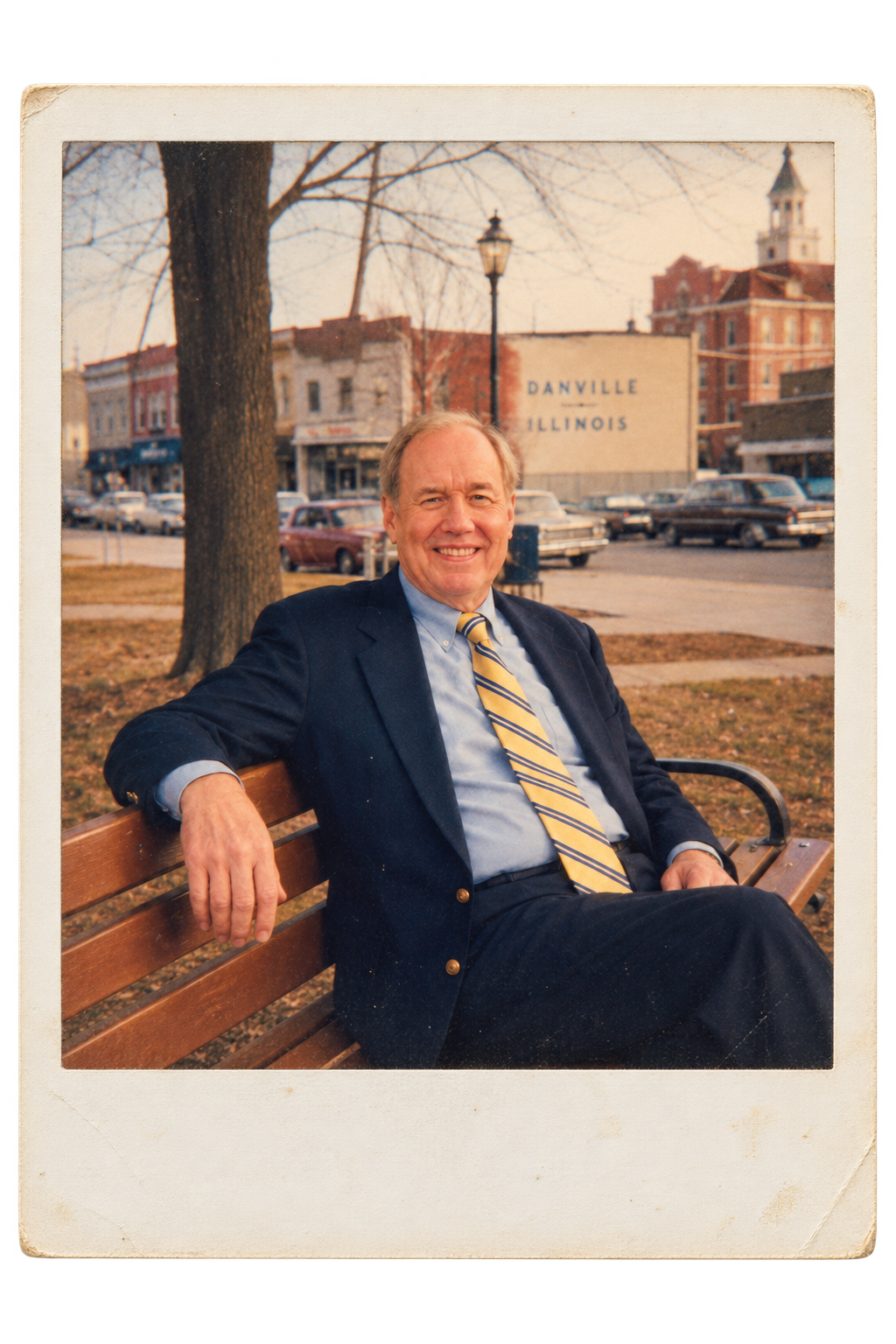
— A reflection on the life and work of Robert Kenneth Jones (1950–2020).
Bob Jones spent more than four decades quietly innovating in the treatment of addiction and the wounds of childhood abuse. The Next Right Thing continues his archive of recovery, resilience, and faith.