

Compassion: The Willingness to Enter
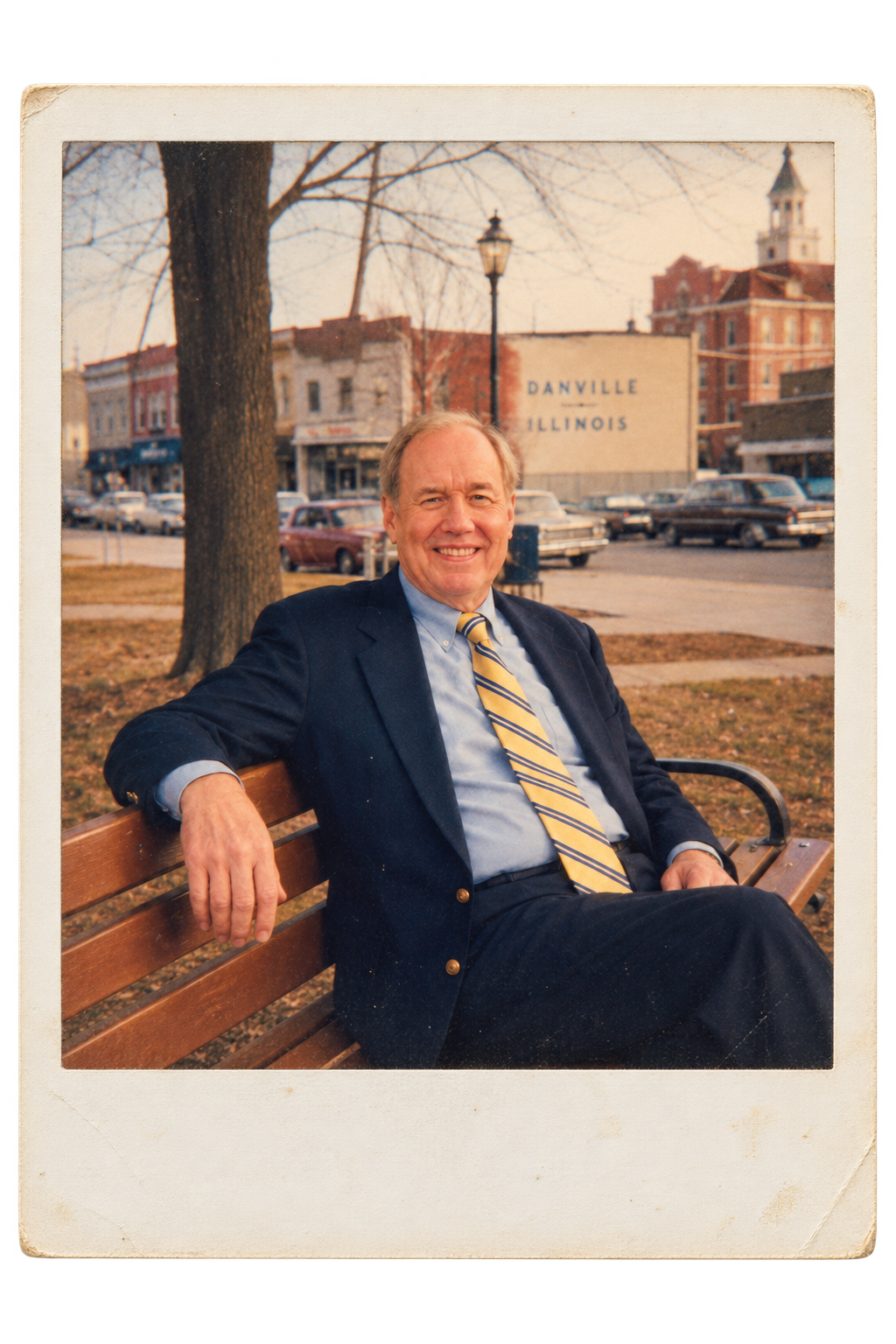
Compassion is one of those words we use so often it has lost its spine. We say we feel compassion the way we say we feel fine — automatically, without really checking. We've turned it into a feeling we observe from a safe distance, like watching a documentary about suffering and feeling moved before changing the channel.
Bob Jones had a different definition.
Compassion, at its root, means to suffer with. Not to suffer for someone, not to observe their suffering sympathetically, but to enter it with them. To cross the distance. To be willing to be changed by someone else's pain.
Bob called it radical availability. And it cost him something every time.
There is a technique Bob taught — so simple it seems almost too small to matter. When you pass a stranger on the street, or sit across from someone who frustrates you, or encounter a person whose choices you cannot understand, you say quietly to yourself: Just like me.
Just like me, this person wants to be loved. Just like me, this person has been afraid. Just like me, this person has done things they're not proud of, and has also done things that surprised them with their own goodness.
It takes about two seconds. It dissolves judgment like heat melts ice. And it is the beginning of compassion — not the emotion, but the practice.
Bob often drew a distinction between sympathy and compassion. Sympathy says: I see that you are suffering, and I feel bad about it. Compassion says: I see that you are suffering, and I am going to move toward you.
The difference is the direction of motion. Sympathy can remain comfortable. Compassion always requires you to cross a threshold.
In his clinical work, Bob saw what happens when compassion is institutionalized — when the people paid to care are so overwhelmed, so under-resourced, so burned out, that they can no longer feel. He understood this was not a character flaw. It was a wound. And the wound required the same medicine it was supposed to deliver: presence, community, being seen.
Spiritually, Bob rooted compassion in the core Christian conviction that every human being is the beloved — not some human beings, not the ones who have earned it, but everyone. When you see people through that lens, the ground shifts beneath your feet. It becomes very difficult to walk past someone in pain.
Try the Just Like Me practice today. In any moment of irritation or disconnection, say it quietly: Just like me. See what shifts.
Then, find one person in your life who is carrying something heavy and offer them the gift of full attention. Not advice. Not a solution. Just your undivided presence for ten minutes. Ask one question and then listen all the way to the end.
If you are in a caregiving role — professionally or personally — pay attention to your own compassion reserves. You cannot give what you don't have. Building in time for your own restoration isn't selfishness; it's how compassion becomes sustainable.
Compassion is not a feeling you have or don't have. It is a choice you make about where to put your body and your attention. It is the decision to believe that the person in front of you — every person in front of you — is worth the crossing.
You are the beloved. So are they.
Bob ended every letter, every session, every goodbye with the same words: Fair winds and following seas. I'll be seeing you.
— A reflection on the life and work of Robert Kenneth Jones (1950–2020).
Bob Jones spent more than four decades quietly innovating in the treatment of addiction and the wounds of childhood abuse. The Next Right Thing continues his archive of recovery, resilience, and faith.