

Courage: The Next Right Step
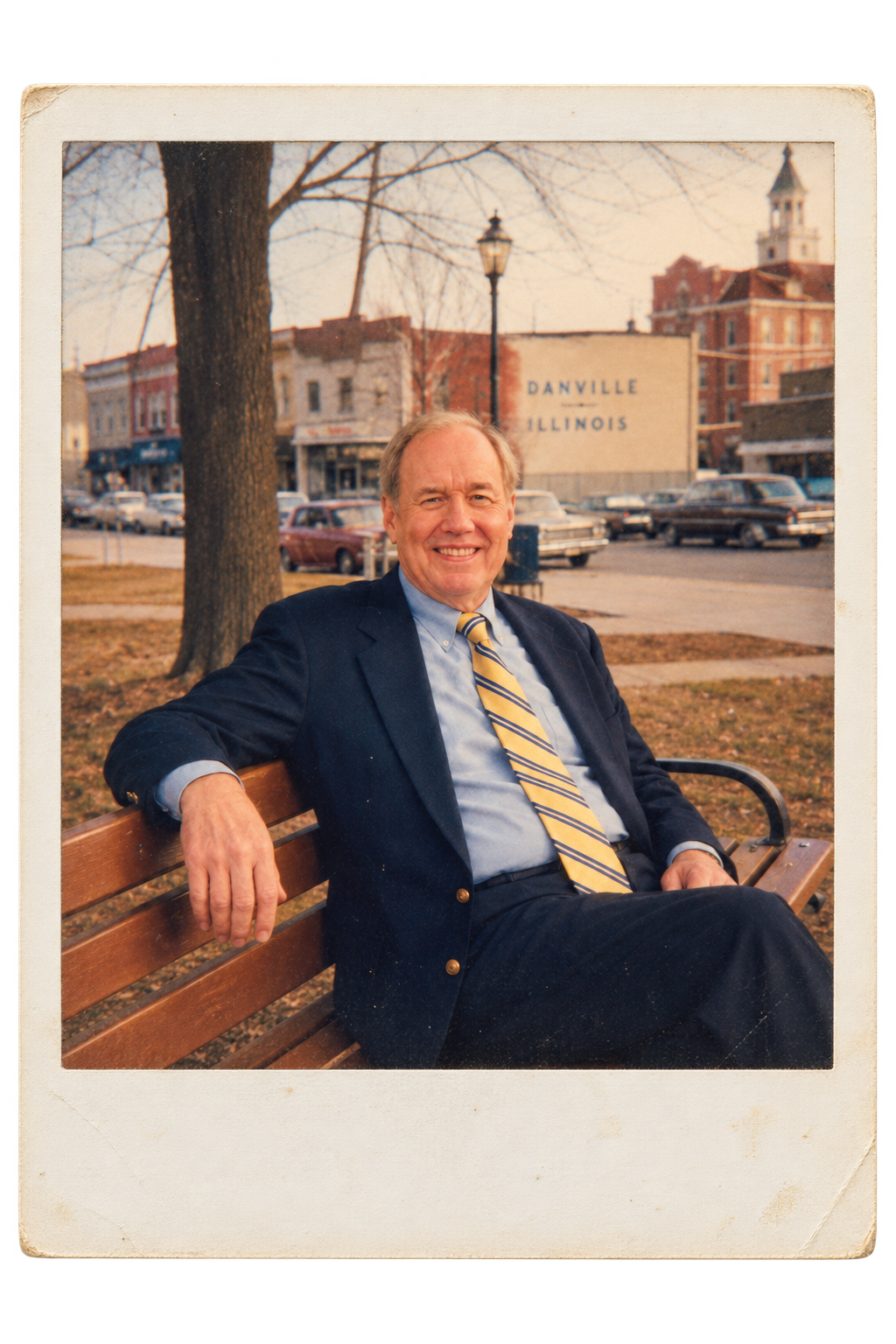
We have made courage into something cinematic. The soldier under fire. The whistleblower facing down the institution. The person who delivers the speech that changes everything. We have put courage on a pedestal so high that most of us assume it doesn't apply to our ordinary lives.
Bob Jones had a different definition.
Courage, he said, is not the absence of fear. It is the decision to take the next right step despite the fear. And the next right step is almost never the heroic one. It is usually the quiet one. The honest phone call. The apology that costs you your pride. Showing up to the room you've been avoiding. Saying yes when you want to say not yet.
He called it The Next Right Thing. And he believed it was available to everyone, including you, including today.
Bob told the story of walking into juvenile detention centers — rooms where the air itself seems to say don't bother — and choosing, every time, to believe that the kid in front of him had not yet written his last chapter. That choice required courage. Not because anyone was threatening him. But because caring about people who have been given every reason to reject care means accepting the risk of being rejected.
That is where courage lives in most of our lives. Not in dramatic moments, but in the decision to remain open when closing would be so much easier. To hope when the evidence for hope is thin. To love when love has cost you something before.
In Bob's framework of trauma-informed care, he talked about the two parts of our brain that are always in conversation: the survival brain and the thinking brain. Under stress, the survival brain takes over — and its only options are fight, flight, or freeze. Courage is, in part, the practice of bringing the thinking brain back online.
The thinking brain can hold complexity. It can ask: what is the right thing to do here? It can consider the future. It can choose kindness when the survival brain is screaming otherwise.
The spiritual dimension is this: faith and courage have always been partners. Every call in Scripture to "fear not" is issued in the presence of something genuinely frightening. The command is not "be unafraid." It is "do not let the fear stop you." That is a very different invitation — and a very available one.
Bob had a simple algorithm that I believe might be the most useful four words in the English language: Forgive yourself. Then go. Whatever you've been carrying — whatever mistake, missed opportunity, or failure has been keeping you frozen — it does not have to be resolved before you move. Forgive yourself and do the next right thing.
The next right thing is almost always small. It is usually uncomfortable. It is rarely the whole solution. But it is the step you can take today, and that is enough.
Use the NED method when fear has you locked: Notice what you're feeling. Externalize it — give it a name, a shape, some distance. Then Dispute it. Ask whether the fear is telling you the truth, or whether it's running old software that no longer applies.
You don't have to be fearless. Nobody is fearless — not the people who look fearless from the outside. You just have to be willing to take one step. The right one, not the perfect one. The next one, not the final one.
That is enough. That has always been enough.
Bob ended every letter, every session, every goodbye with the same words: Fair winds and following seas. I'll be seeing you.
— A reflection on the life and work of Robert Kenneth Jones (1950–2020).
Bob Jones spent more than four decades quietly innovating in the treatment of addiction and the wounds of childhood abuse. The Next Right Thing continues his archive of recovery, resilience, and faith.