
Healing: Not the Absence of Scars
When people talk about healing, they usually mean returning to the way things were before. Before the diagnosis. Before the addiction. Before the violence. Before the loss. As if the goal is to erase the event and get back to the original version of yourself.
Bob Jones had a different definition.
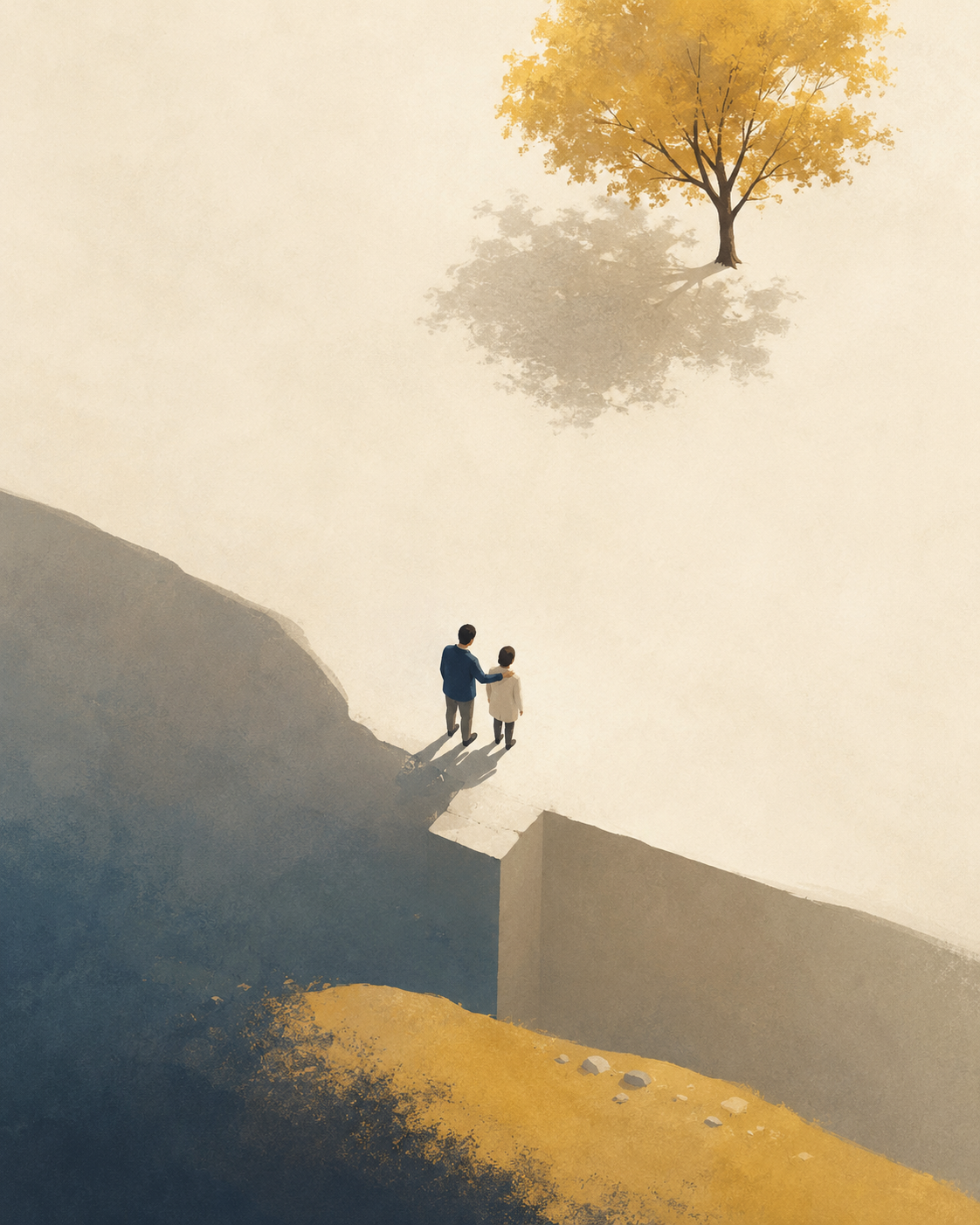
Healing, he said, is not erasure. It is integration. It is learning to carry what happened to you without being only what happened to you. The scar is real. The scar is yours. But you are more than the scar.
Bob worked for decades with young people who had been through things no child should ever have to navigate — abuse, trafficking, addiction, the particular loneliness of growing up in a world that didn't see them clearly. He told the story of a boy — he called him Tony — who had been exploited on the streets and had every reason to believe that his story was already written and written badly.
Years later, Tony had built a life. Not a perfect life. Not a life without shadows. But a life that was, unmistakably, his. When Bob asked him what made the difference, Tony said something simple: somebody told me I wasn't done yet.
That is healing. Not the removal of the wound. The restoration of the future.
Trauma-informed care — the clinical framework Bob spent his career developing and teaching — begins with one fundamental reframe: instead of asking "what is wrong with you?", we ask "what happened to you?"
That shift is not merely semantic. It is a complete reorganization of how we understand suffering. When we ask what's wrong, we locate the problem inside the person. When we ask what happened, we locate it where it actually belongs: in an event, in an experience, in a world that failed to protect them.
The brain, Bob would explain, changes under trauma. The survival system takes over, and the thinking brain — the part that reasons, hopes, and connects — goes quiet. This is not weakness. This is biology. The question of healing, then, is not "when will you get over it?" but "how do we help the thinking brain come back online?"
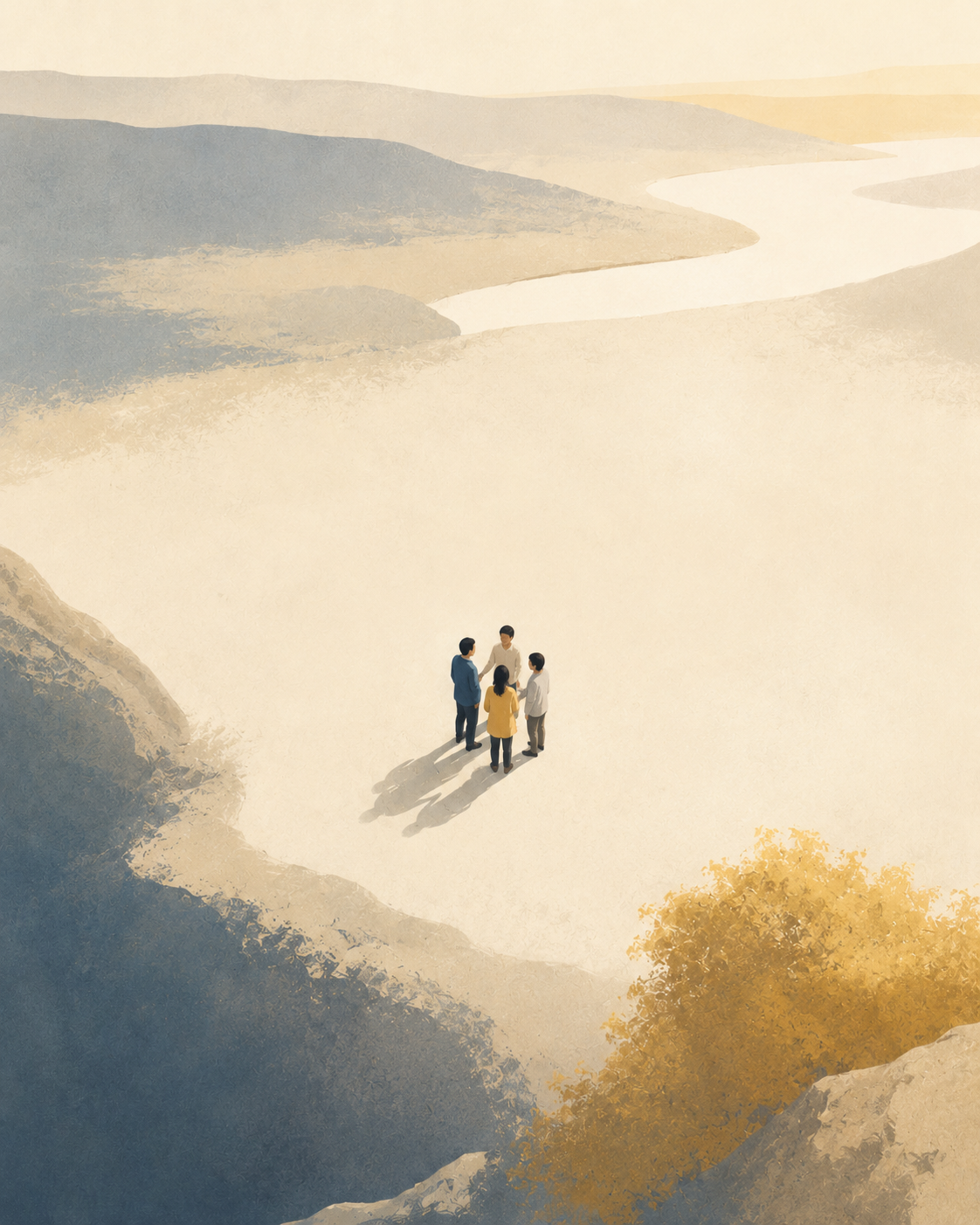
The answer, consistently, involves three things: safety, relationship, and meaning. You heal in community. You heal in the presence of people who know your name and stay. You heal when your story becomes part of something larger than your pain.
Healing is not a solo project. The first step is always the same: let someone in. Not all the way in, not all at once — but one crack in the door. One honest sentence. One call to someone who will not flinch.
Bob believed in three things all of us can do: Heal, Help, and Comfort. Not in that order, necessarily. Sometimes helping someone else is what begins our own healing. Sometimes offering comfort is how we first learn to receive it.
Find something that makes you come alive — not something that numbs, but something that opens. Music, walking, prayer, making something with your hands. These are not distractions from healing. They are healing, in their particular way.
You are not your worst day. You are not the thing that was done to you, and you are not the choices you made when you were just trying to survive. Healing is not a destination you reach. It is a direction you walk, one honest step at a time.
You are not done yet.
Bob ended every letter, every session, every goodbye with the same words: Fair winds and following seas. I'll be seeing you.
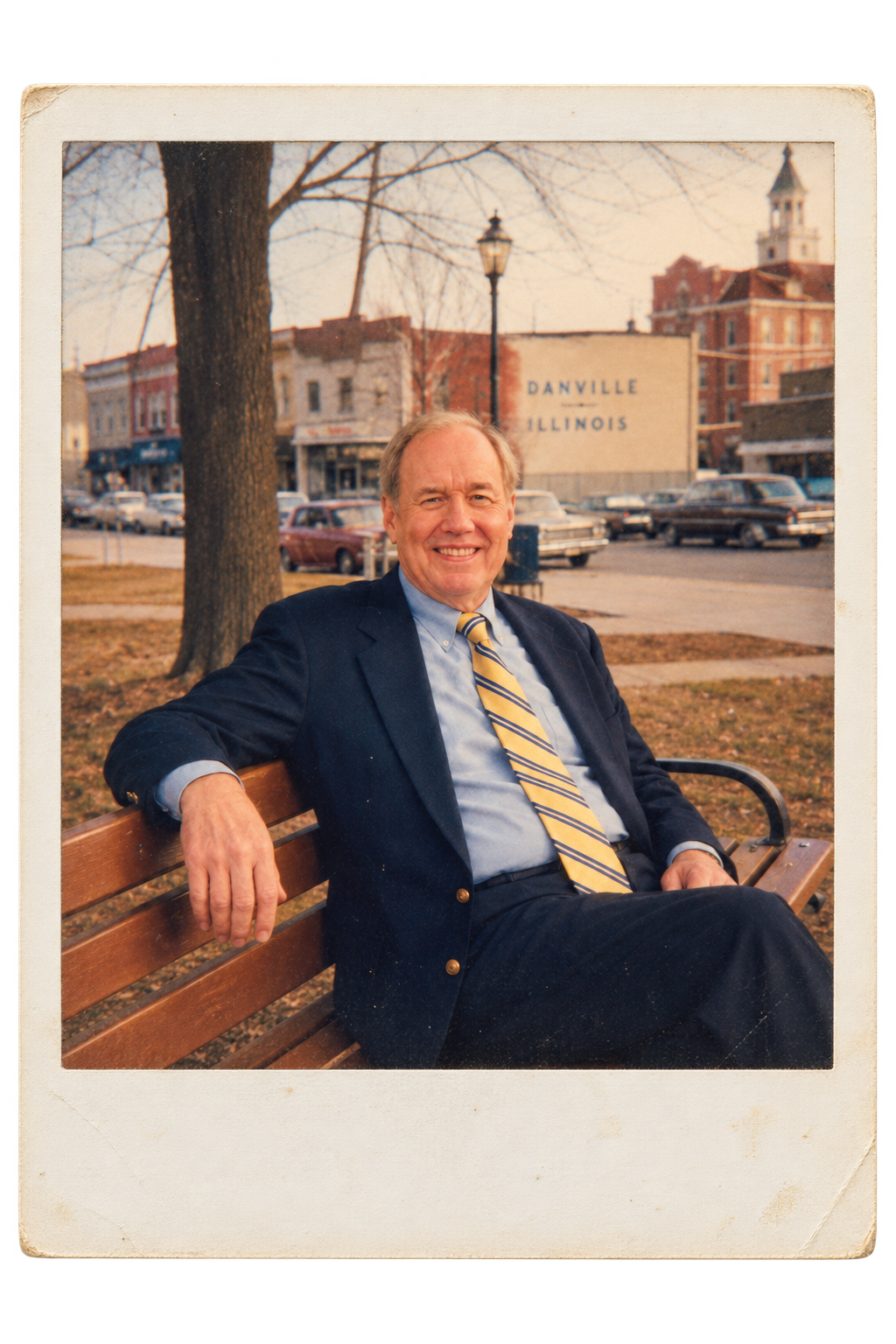
— A reflection on the life and work of Robert Kenneth Jones (1950–2020).
Bob Jones spent more than four decades quietly innovating in the treatment of addiction and the wounds of childhood abuse. The Next Right Thing continues his archive of recovery, resilience, and faith.