
Hope: Not a Wish, But a Direction
Most of us were taught that hope is something you feel when things might get better. A wish with good posture. We cross our fingers. We hold our breath. We knock on wood and say things like "hopefully" with a shrug, as if hope were a coin toss and we're just waiting to see how it lands.
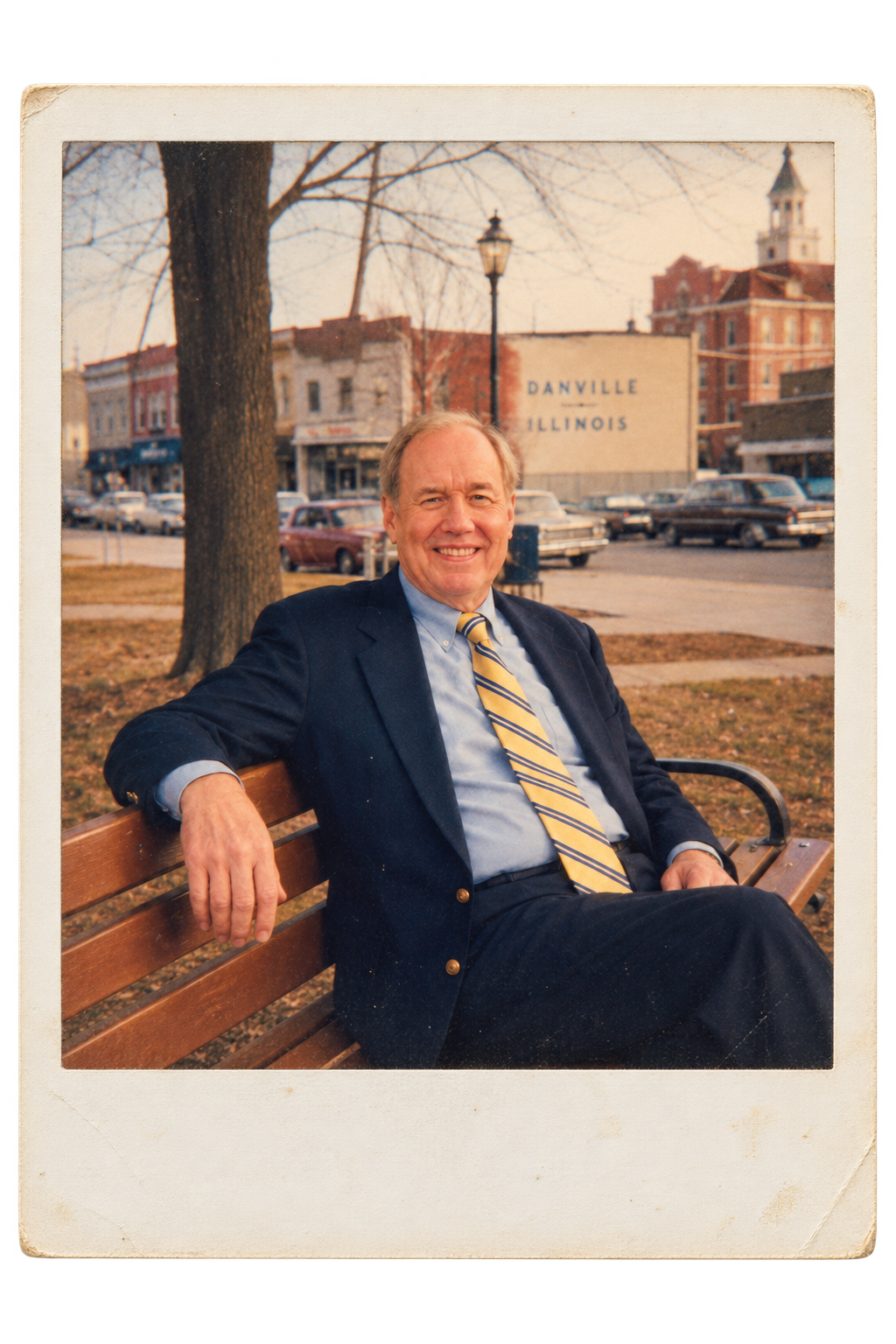
Bob Jones had a different definition.
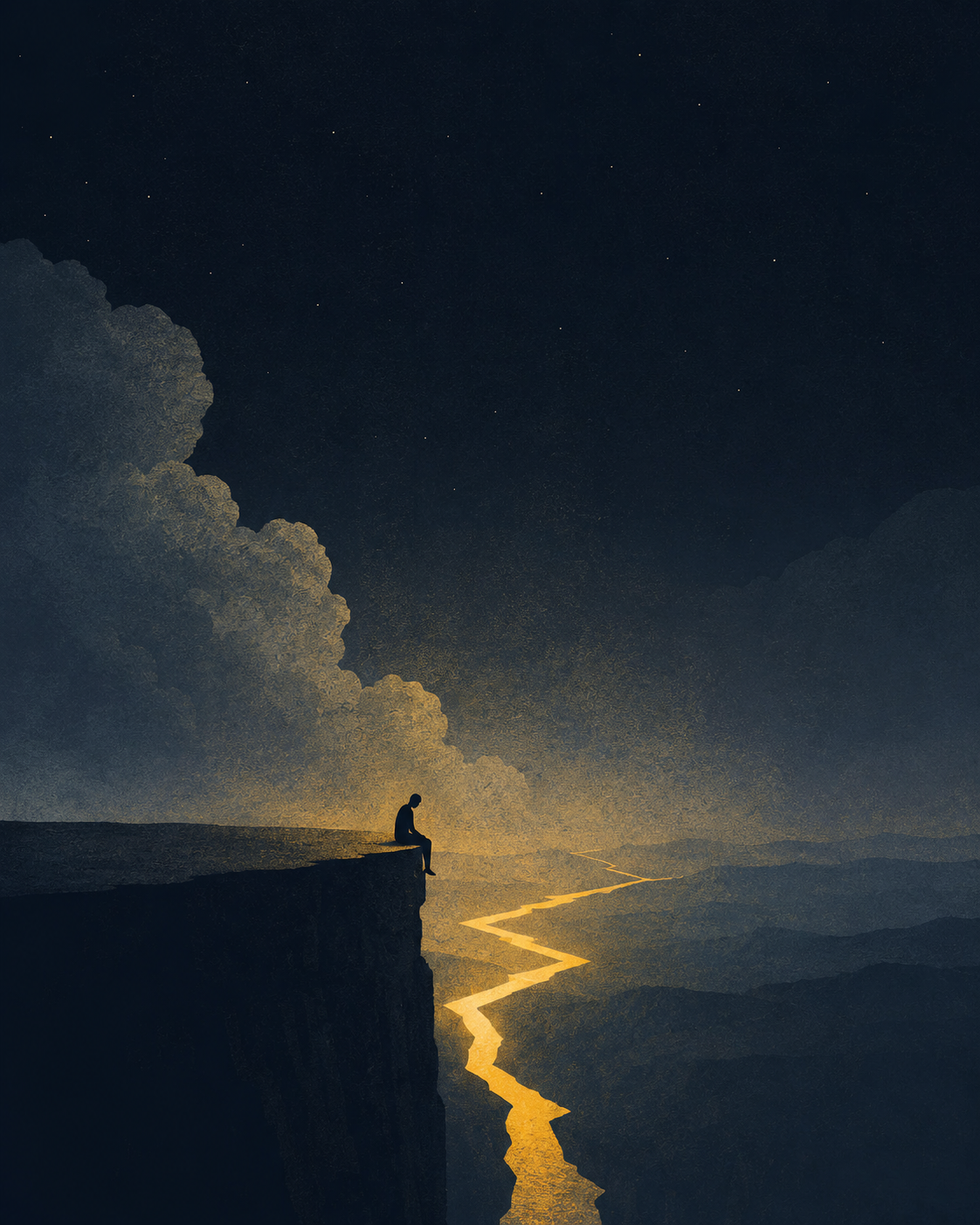
For Bob, hope wasn't a feeling at all. It was a direction. A posture of the soul that said: I don't know exactly how this ends, but I know that darkness is not the final word.
He had a phrase he carried everywhere, worn smooth from use like a river stone: "Everything eventually gives way to Wonderful." Not everything feels wonderful. Not everything looks wonderful from where you're standing. But everything gives way to it, the way ice gives way to spring — not because it wants to, but because warmth is more powerful than cold.
Bob used to tell the story of a boy named Jacob who sat across from him in a counseling session, arms crossed, daring the world to try and reach him. Jacob had been failed by every adult who was supposed to be safe. He had learned that hope was a trap — you open yourself up to it and then it costs you.
Bob didn't argue with him. He just stayed. He kept showing up. And eventually, not because of any clever technique or therapeutic intervention, but because someone refused to leave, Jacob began to believe that maybe the story wasn't over yet.
That's what hope does. It stays in the room.
Our brains, shaped by trauma and loss, are designed to protect us by preparing us for the worst. The survival brain says: don't hope, because hope hurts when it fails. And it's not wrong. Hope does make you vulnerable. Every single time.
But here is what Bob understood as both a clinician and a man of deep faith: the alternative — a life sealed against disappointment — is also sealed against aliveness. You can't protect yourself from loss without also protecting yourself from love.
Scripture and psychology agree on this remarkable point: we are wired for connection, for meaning, for forward motion. The soul, like the body, needs sunlight. Hope is how we turn our face toward it.
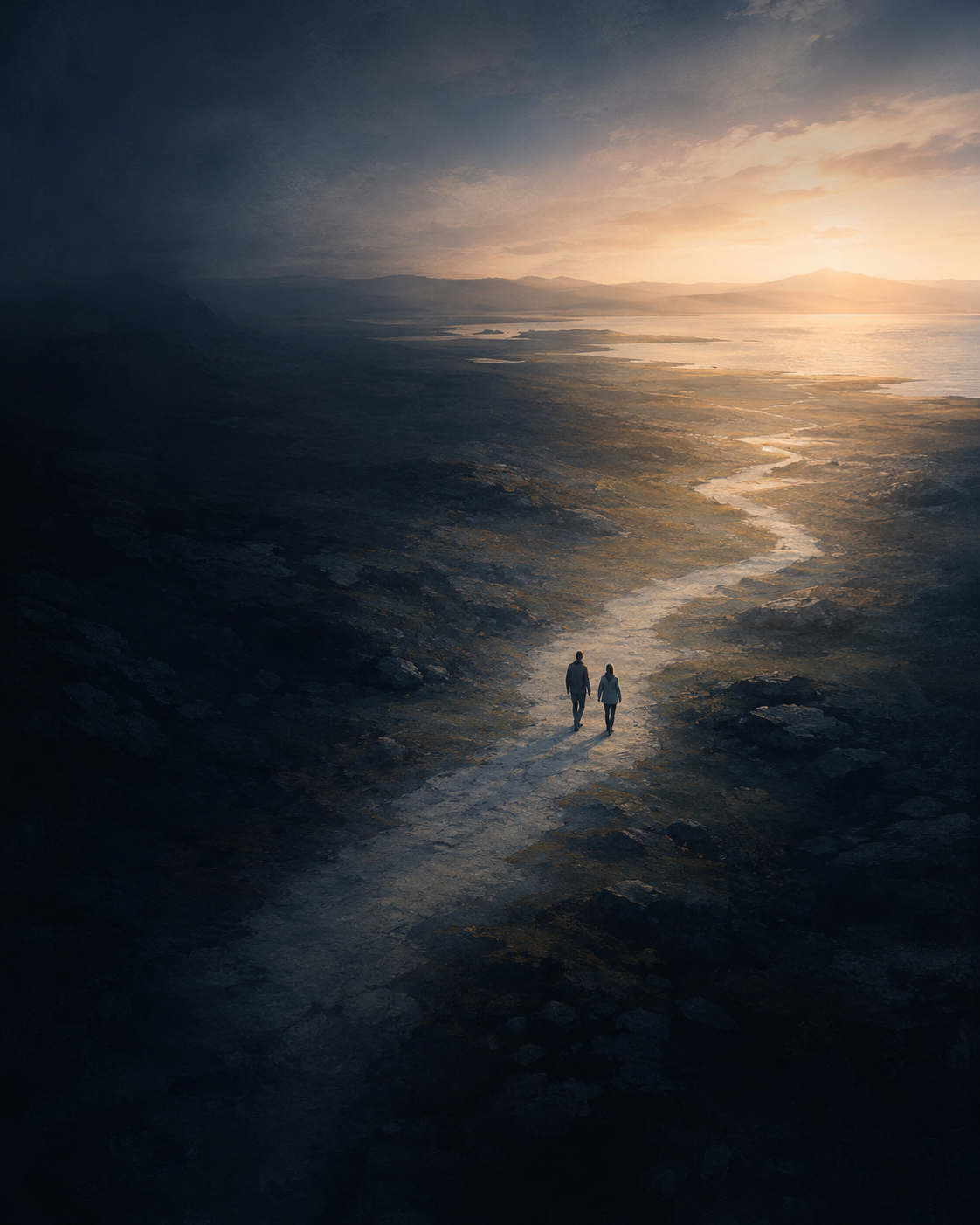
The mystics called it orientation. Not a destination, but a direction. And you can walk toward morning even when you can't see it yet.
When hope feels hollow, try this:
Don't ask yourself "will things get better?" Ask instead: "What is the one next right thing I can do today?" Just one. Not the whole mountain — one step on the path.
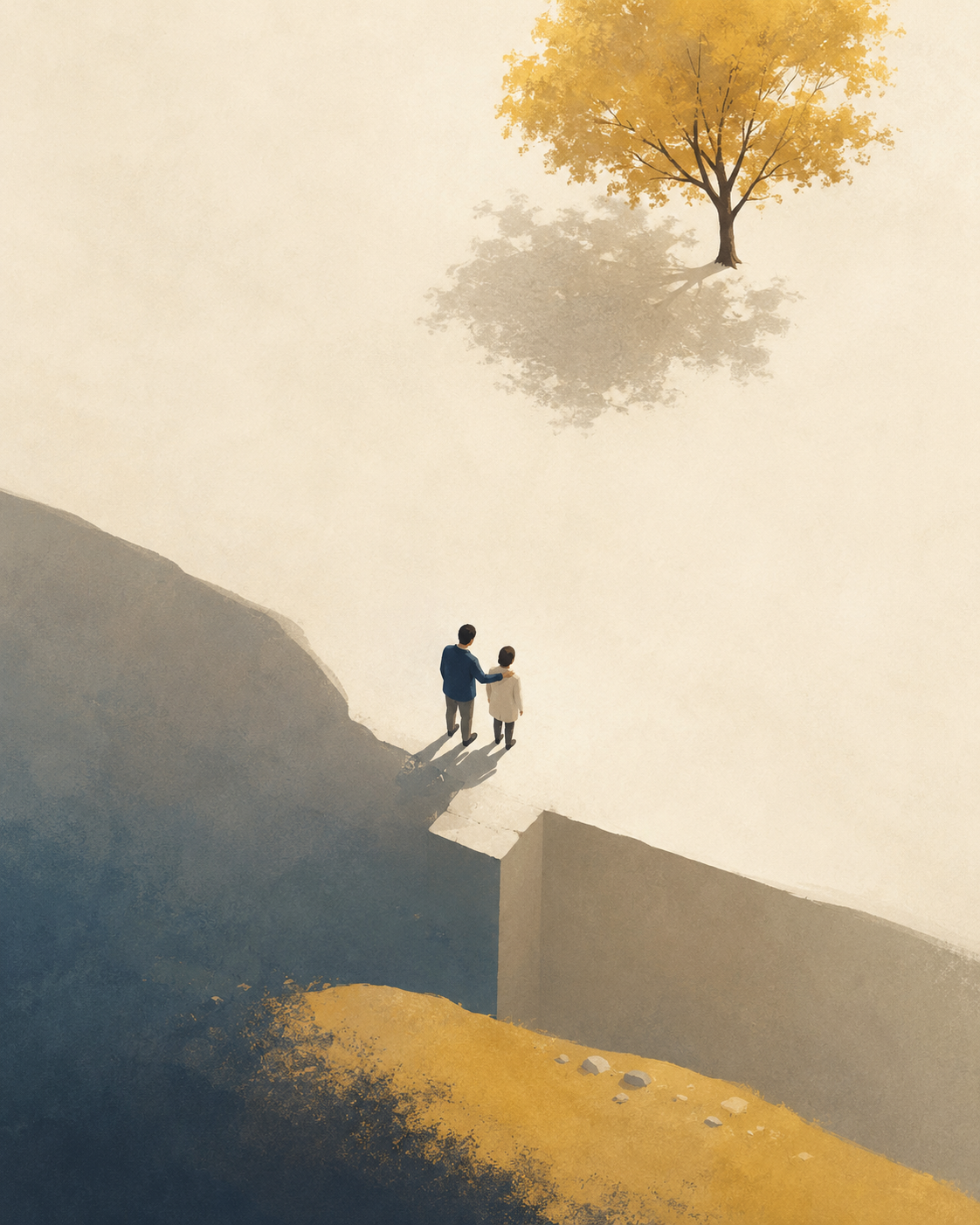
Then reach out. Call someone. Not to explain yourself or solve the problem, but just to say I'm here and so are you. Community is how hope becomes portable. We carry it for each other when we can't carry it for ourselves.
And finally, find a quiet moment and ask the God of your understanding to show you what you cannot yet see. Bob believed this without embarrassment. The deepest hope, he said, is the kind that comes from being loved by something larger than your circumstances.
You are not stuck. You are not the worst thing that ever happened to you, and you are not the sum of your doubts. Hope is not a feeling you wait for — it is a direction you choose, again and again, even on the days when it costs you something.
Everything eventually gives way to Wonderful.
Bob ended every letter, every session, every goodbye with the same words: Fair winds and following seas. I'll be seeing you.
— A reflection on the life and work of Robert Kenneth Jones (1950–2020).
Bob Jones spent more than four decades quietly innovating in the treatment of addiction and the wounds of childhood abuse. The Next Right Thing continues his archive of recovery, resilience, and faith.