Memorial Day: The Weight of the Names We Carry
Memorial Day has become, for most of us, a long weekend. The pools open. The grills come out. It is the unofficial arrival of summer, marked by sales and barbecue and the vague awareness that something solemn is supposed to be happening somewhere. We observe a moment of silence that lasts about thirty seconds, and then the music starts again.
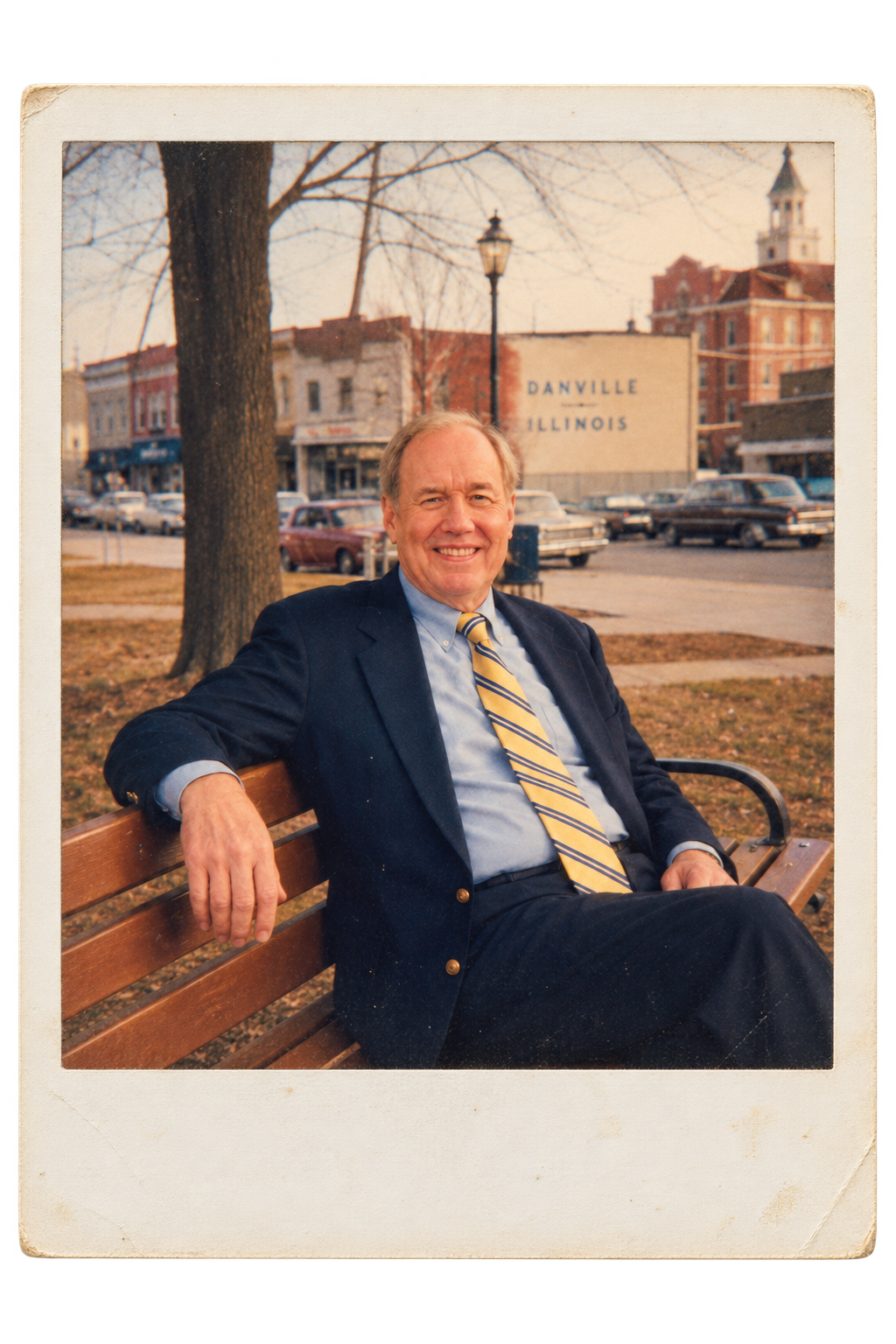
Bob Jones had a different definition.
Memorial, at its root, means to bring back to mind. Not to feel sad about history. Not to perform reverence. But to actively, intentionally carry something forward — to refuse to let a sacrifice disappear into the past just because it is convenient to let it go. A memorial is an act of will. You have to choose to remember. And in that choosing, something in the person who remembers is changed.
Bob worked alongside first responders, veterans, and military chaplains for much of his career. He sat with men and women who had seen things that could not be unsaid, who carried memories that did not cooperate with the passage of time. He noticed that what these people needed was rarely what we typically offer: a thank-you, a ceremony, a moment and then a return to normal life.
What they needed was to have their experience taken seriously. For someone to say: what you carried was real, and it mattered, and it is not over for you even when it appears to be over for everyone else.
He noticed something else too: the people who survived hard things best were not the ones who moved on most quickly. They were the ones who found a way to let what they had witnessed mean something — who integrated the experience into a story about who they were and what they were for. Grief that is honored becomes direction. Grief that is merely suppressed becomes a wound.
The word trauma, in its original Greek, means wound. What we have learned in the last several decades of trauma research is that wounds, if they are to heal, must be acknowledged. The body and the psyche do not simply move on from significant loss. They carry it, one way or another. The only choice is whether to carry it consciously, with intention and community, or to carry it alone, underground, where it shapes behavior in ways we don't always recognize.
This is why memorial practices matter. Not as performance. As medicine. The annual ritual of naming the dead — speaking their names, touching the photographs, standing at the graves — is not sentiment. It is a form of integration, available to entire communities.
Bob believed deeply that the act of remembering is also an act of responsibility. You carry someone forward, not just in your heart, but in how you live. The question a memorial asks is not only do you remember? but will what they gave change how you spend what you have been given?
This Memorial Day, find one name. Not the aggregate — one person. A family member who served. A friend of a friend. A name on a wall you've passed without stopping. Look up one thing about them: where they were from, how old they were, one fact that makes them particular rather than symbolic.
Then sit with that for a moment. Not to feel guilty, not to perform grief, but to let the specific weight of one life remind you that the freedom of this ordinary weekend was purchased by something that was not ordinary at all.
And if you know someone who is carrying a hard memory — a veteran, a first responder, someone who has lost someone — reach out this week. Not on the holiday, necessarily. But soon. And not with a platitude. With presence.
The names we carry forward do not ask to be glorified. They ask to be remembered — specifically, personally, in a way that changes how we use what we have been given.
Go out and do the next right thing with the freedom someone else's courage made possible.
Bob ended every letter, every session, every goodbye with the same words: Fair winds and following seas. I'll be seeing you.
— A reflection on the life and work of Robert Kenneth Jones (1950–2020).
Bob Jones spent more than four decades quietly innovating in the treatment of addiction and the wounds of childhood abuse. The Next Right Thing continues his archive of recovery, resilience, and faith.