

New Year's: You Don't Need a New You
Every January, we subject ourselves to the same ritual: the resolution. The declaration that this year will be different. That we will be different — thinner, more disciplined, more productive, more everything we weren't quite enough of last year. The self-improvement industry clears a billion dollars in the first two weeks of January because we are, as a culture, deeply committed to the idea that we need to be fixed.
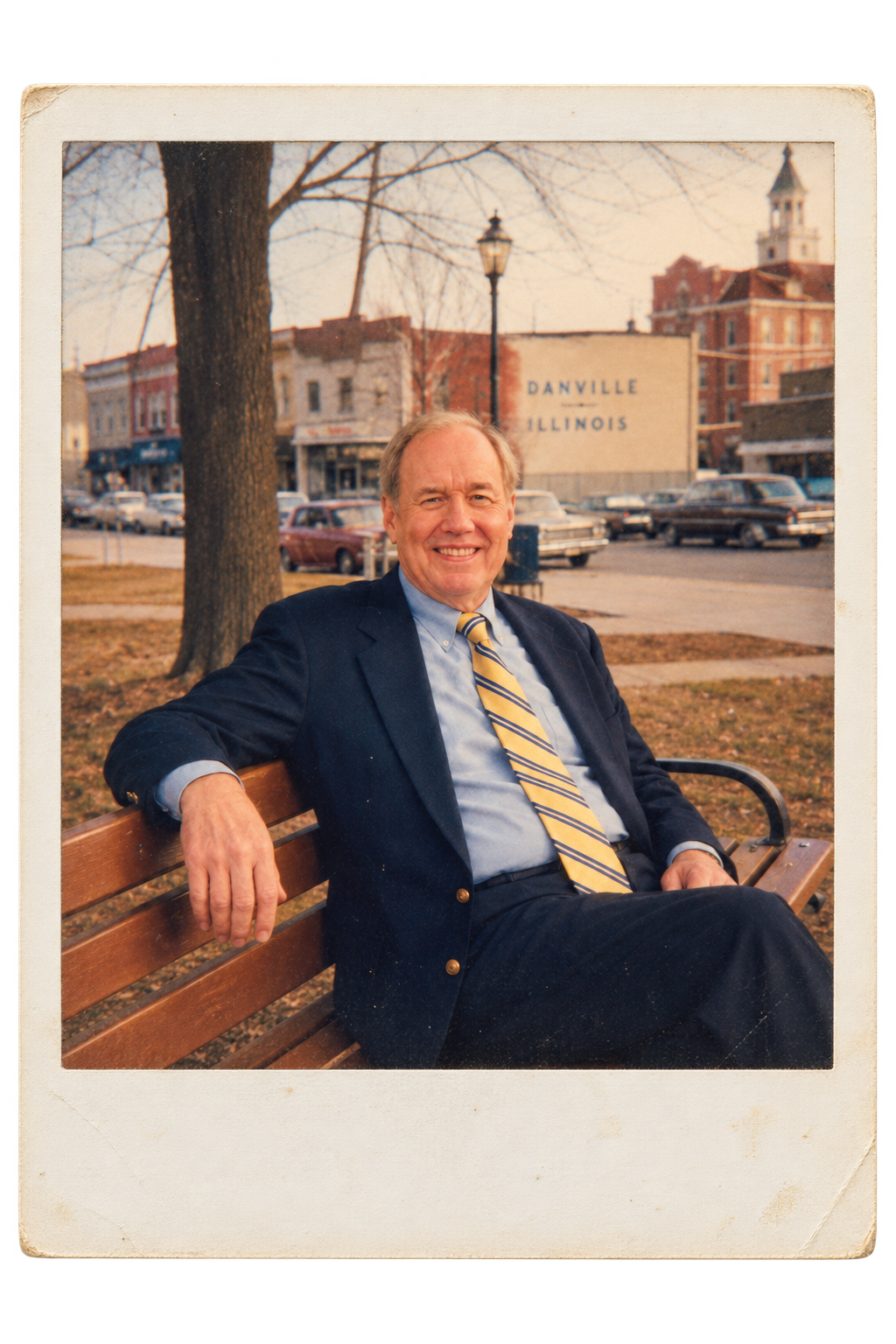
Bob Jones had a different definition.
The new year, he believed, is not an invitation to become a different person. It is an invitation to become more fully yourself — to shed what was never really yours to begin with, and to step a little more honestly into the life that is actually waiting for you. Not a new you. The real you, moving forward.
There is a profound difference between those two things.
Bob had a phrase he returned to whenever someone was drowning in shame about the year behind them — the mistakes made, the ground lost, the person they had failed to be. He said it gently but without sentimentality:
"Forgive yourself. Just go out and do the next right thing."
Not next year. Not when you've earned it or gotten it together or figured out the whole plan. Now. The next right thing, which is almost always smaller than you think and available sooner than you believe.
That phrase became the title of his entire body of work. And it is, in its simplicity, a complete philosophy of new beginnings: release the past, take one honest step forward, don't require yourself to be perfect before you begin.
The psychology of behavior change is ruthlessly clear on one point: resolutions built on shame don't hold. The self that is motivated by "I am not enough as I am" produces short-term effort and long-term exhaustion. The self that is motivated by "I am loved and I want to grow" produces something sustainable.
Bob made this case from both ends — clinical and spiritual. Clinically, he understood that shame activates the survival brain, which cannot sustain the kind of thoughtful, forward-looking change we actually want. Spiritually, he was certain that God does not meet us at the new year with a list of our failures. God meets us where the Cherokee legend says: with the question of which wolf we're going to feed.
The wolf of fear says: you are not enough, and this year you have to prove it. The wolf of love says: you are already the beloved. What do you want to become?
That is the only resolution worth making.
Instead of a resolution, try a direction. Not a specific goal with metrics and deadlines, but a single word or phrase that names the quality you want to move toward this year. Presence. Honesty. Rest. Courage. Openness. Something that feels true, not aspirational.
Write it somewhere you'll see it. Not to measure yourself against it — to orient yourself toward it. A direction is gentler and more durable than a destination.
Then: forgive last year. All of it. Not the parts that feel forgivable — all of it. The things you said you'd do and didn't. The person you meant to call. The version of yourself you promised to become. Forgive them all, and then begin.
You don't need a new you. The person who just lived through this past year — who survived it, who sometimes did it badly, who showed up imperfectly and tried again — that person is worth continuing. Worth developing, yes. Worth moving forward. But already, fundamentally, enough.
The year is new. So is the mercy.
Bob ended every letter, every session, every goodbye with the same words: Fair winds and following seas. I'll be seeing you.
— A reflection on the life and work of Robert Kenneth Jones (1950–2020).
Bob Jones spent more than four decades quietly innovating in the treatment of addiction and the wounds of childhood abuse. The Next Right Thing continues his archive of recovery, resilience, and faith.