
Valentine's Day: Love as a Verb, Not a Verdict
Valentine's Day has been colonized by the romantic ideal — the candlelit dinner, the perfect declaration, the relationship that looks like a movie poster. If you have that, the day confirms it. If you don't, the day reminds you, loudly, of what you're missing. We have made love into a verdict: either you have it or you don't, and February 14th is the annual announcement of which category you fall into.
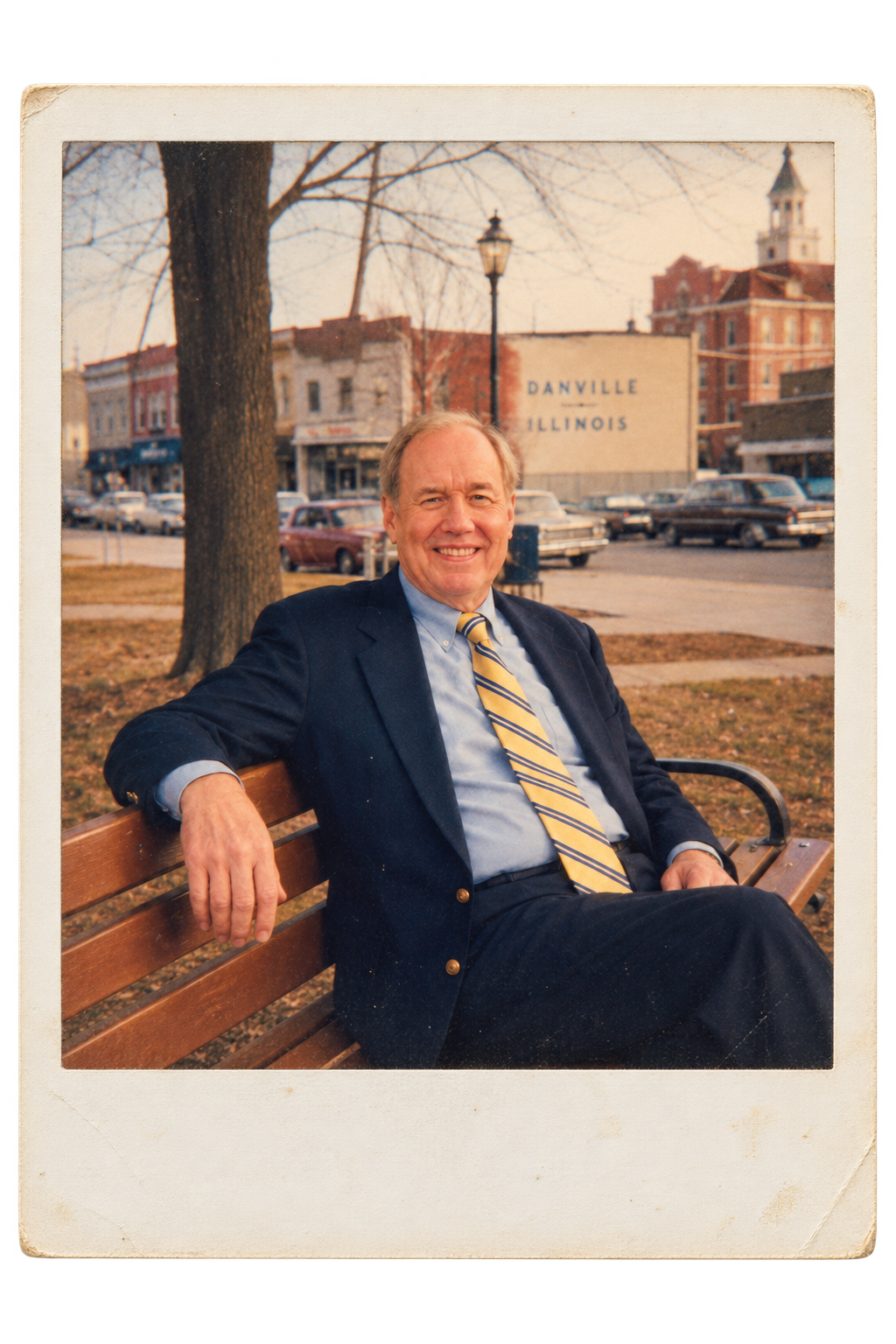
Bob Jones had a different definition.
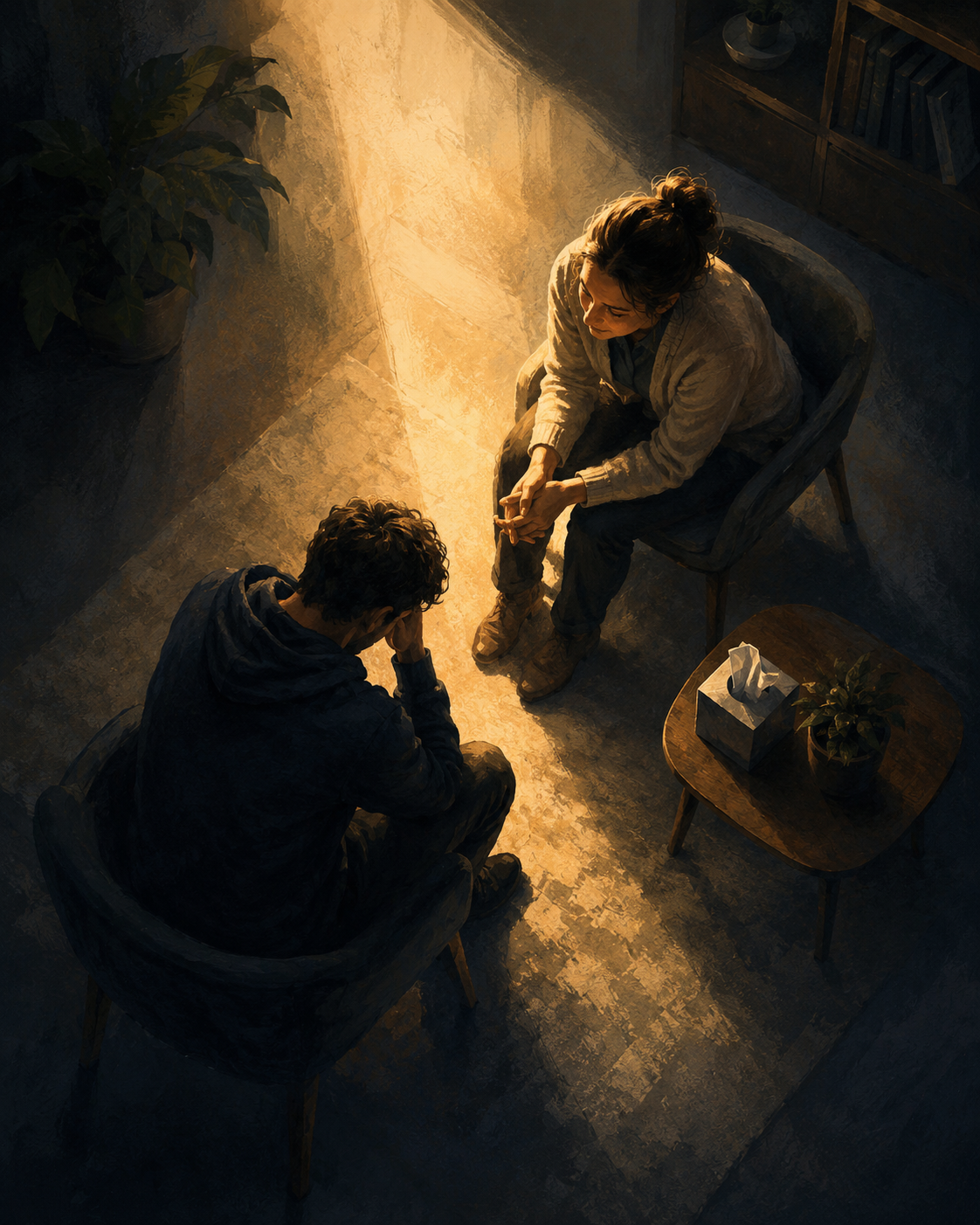
Love, he was convinced, is not primarily a feeling you receive. It is a practice you enact. It is a verb before it is a noun — something you do, repeatedly, imperfectly, in the direction of another person who is also trying. And the most important love story Bob ever told was not a romantic one. It was the story of what happens when any human being decides to see another human being clearly and refuse to look away.
Bob had a technique he taught for dissolving the walls we build between ourselves and others. When you encounter someone — a stranger on the street, a difficult colleague, someone whose choices baffle or frustrate you — you say quietly, inwardly, two words: Just like me.
Just like me, this person wants to be loved. Just like me, this person has been afraid. Just like me, this person has disappointed someone they cared about, and carried that. Just like me, this person is doing the best they can with what they have right now.
That two-word practice, Bob said, is one of the most radical acts of love available to us. Not because it makes everyone easy to deal with, but because it refuses to let us turn other people into abstractions. It insists on their humanity, and in doing so, restores our own.
The Greek language — which underlies much of the New Testament Bob loved — has at least four distinct words for love, where English has one. Eros, the romantic and passionate. Philia, the deep friendship between equals. Storge, the affection between family members. And agape — the love that is unconditional, that does not depend on the worthiness of its object, that keeps moving toward the person even when the person has given it every reason to stop.
Bob believed that agape is not reserved for saints. It is the call placed on every human life. Not perfectly — tain't nobody perfect — but directionally. In that direction.
The clinical research on love and connection, meanwhile, has arrived at a conclusion so clear it almost sounds like theology: the quality of our relationships is the single strongest predictor of wellbeing, longevity, and resilience. Not our income, not our achievement, not our health habits. The love we give and receive.
We were made for this. Not for the Valentine's card version. For the real, inconvenient, costly, life-giving thing.
Choose one person today — not necessarily a romantic partner — and offer them the most valuable thing you have: your full, unhurried attention. Ask them one question and listen all the way to the end. Don't plan your response while they're still talking. Just listen.
Then try the Just Like Me practice with someone you find difficult. You don't have to say it out loud. You don't even have to feel it. Just say the words inwardly and see what shifts.
And if you are lonely today — if Valentine's Day is an annual reminder of an absence — know that the love available to you is not limited to the romantic category. Community is love. Friendship is love. The phone call you make to someone who is also alone is love, enacted, in real time. Begin there.
You are the beloved. That is not a Valentine's sentiment. It is the oldest, most insisted-upon truth in the tradition Bob spent his life interpreting: that each of us is loved, not because of what we've done, but because of who we are.
Love is a verb. Go practice it.
Bob ended every letter, every session, every goodbye with the same words: Fair winds and following seas. I'll be seeing you.
— A reflection on the life and work of Robert Kenneth Jones (1950–2020).
Bob Jones spent more than four decades quietly innovating in the treatment of addiction and the wounds of childhood abuse. The Next Right Thing continues his archive of recovery, resilience, and faith.