

Presidents' Day: What We Owe the Imperfect Leader
Presidents' Day has become a long weekend with good mattress sales. We treat it as a holiday about monuments — marble faces on mountains, names on airport terminals, the cleaned-up version of history that looks nothing like the actual messy lives being commemorated. We have made our leaders into myths, which means we have also made them useless to us, because myths don't struggle, and we do.
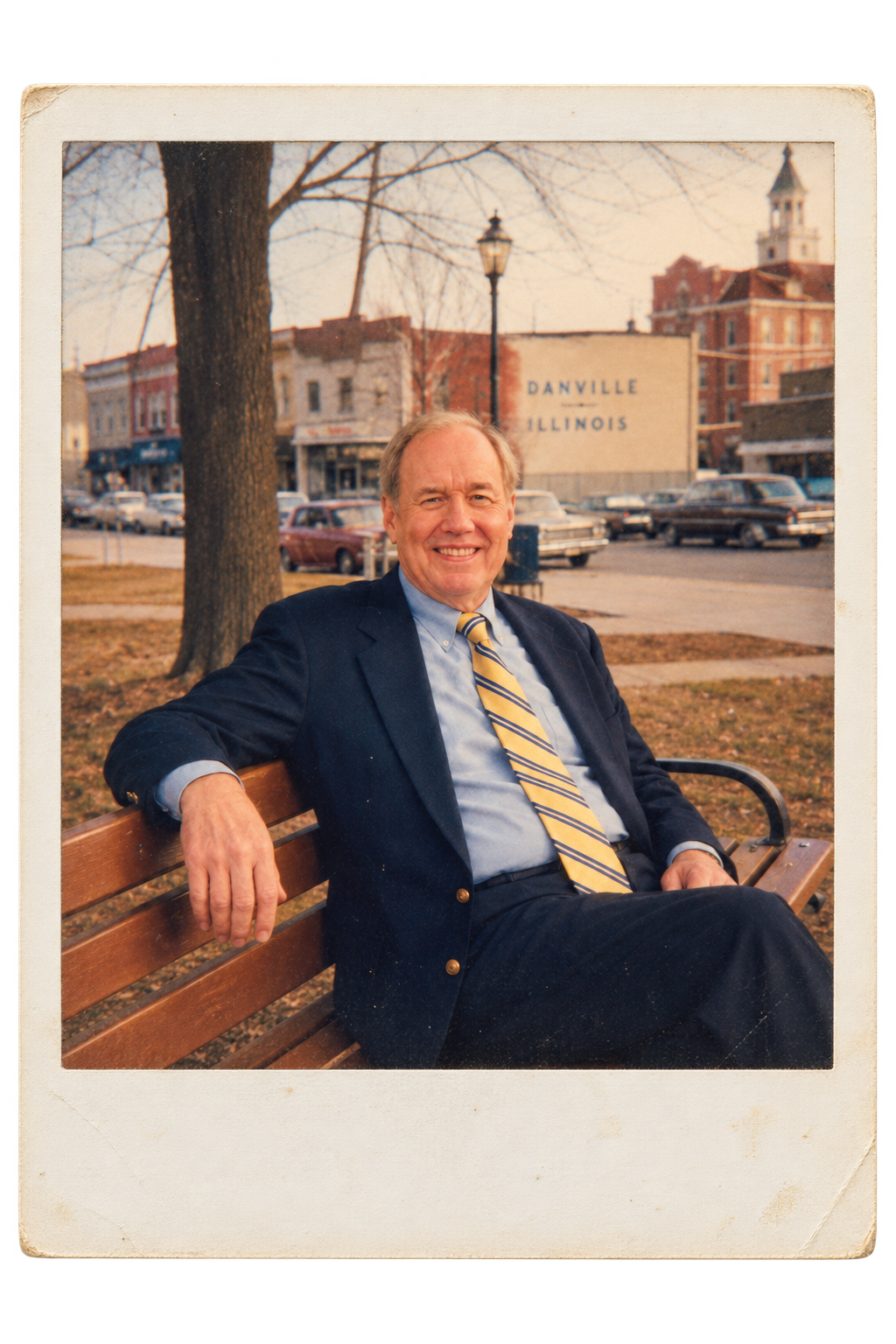
Bob Jones had a different definition.
Leadership, he believed, is not the domain of exceptional people who are free from the ordinary human struggle. It is what happens when an ordinary human being decides, in the middle of their own complexity, to serve something larger than themselves. The leaders worth honoring are not the perfect ones. They are the ones who kept going despite the imperfection — who did the next right thing, even when the next right thing was enormously costly.
Bob worked with young people who had been failed by almost every institution designed to protect them — family, school, the juvenile justice system. He noticed that the adults who broke through to these kids were almost never the polished ones. They were the ones who could look across a table and say, without flinching, I have been lost too. I know what the bottom feels like. And I found a way through, and I am going to stay in this room until you believe you can too.
That is leadership. Not the absence of a wound, but the willingness to let the wound serve.
Abraham Lincoln suffered from what his contemporaries called "the hypo" — a darkness so heavy it sometimes kept him in bed for days. He led the country through its most catastrophic period while fighting, simultaneously, a war within himself. Washington lost more battles than he won in the early years of the Revolution. The mythology skips that part. The truth is far more useful.
Bob drew often from the concept of the tattered angel — the idea that the people most capable of genuine service are the ones who have been broken open by something and, instead of sealing themselves back up, chose to remain available in their openness.
The leaders we most need are rarely the ones who have never stumbled. They are the ones who stumbled, looked honestly at why, owned their part, and chose to keep going in a direction that served more than just themselves.
This matters for how we think about leadership in our own lives. Most of us are not presidents. But all of us are leading something — a family, a team, a classroom, a congregation, a single friendship that depends on us to show up honestly. And in all of those spheres, the question is the same: will we lead from our authentic self, or will we perform leadership from our false self?
The false self leads through control, image management, and the relentless need to appear certain. The authentic self leads through presence, honesty, and the courage to say I don't know, but I'm not leaving.
Think of one leader in your life — not famous, not historical — who helped you find a way through something. Someone who stayed. Someone who told you the truth even when it cost them something. Write them a note this week. Not a text — a note. Tell them specifically what they did and what it meant.
Leadership is mostly invisible in real time. The people who shaped us often have no idea.
And then: consider where you are leading, even quietly, even without a title. Are you leading from your real self? Is there one place where you could be more honest, more present, more willing to show your own imperfection as a gift rather than hiding it as a liability?
The leaders worth honoring were not the ones without wounds. They were the ones who refused to let the wounds be the last word — for themselves or for the people counting on them.
That kind of leadership is available to every one of us. Today.
Bob ended every letter, every session, every goodbye with the same words: Fair winds and following seas. I'll be seeing you.
— A reflection on the life and work of Robert Kenneth Jones (1950–2020).
Bob Jones spent more than four decades quietly innovating in the treatment of addiction and the wounds of childhood abuse. The Next Right Thing continues his archive of recovery, resilience, and faith.