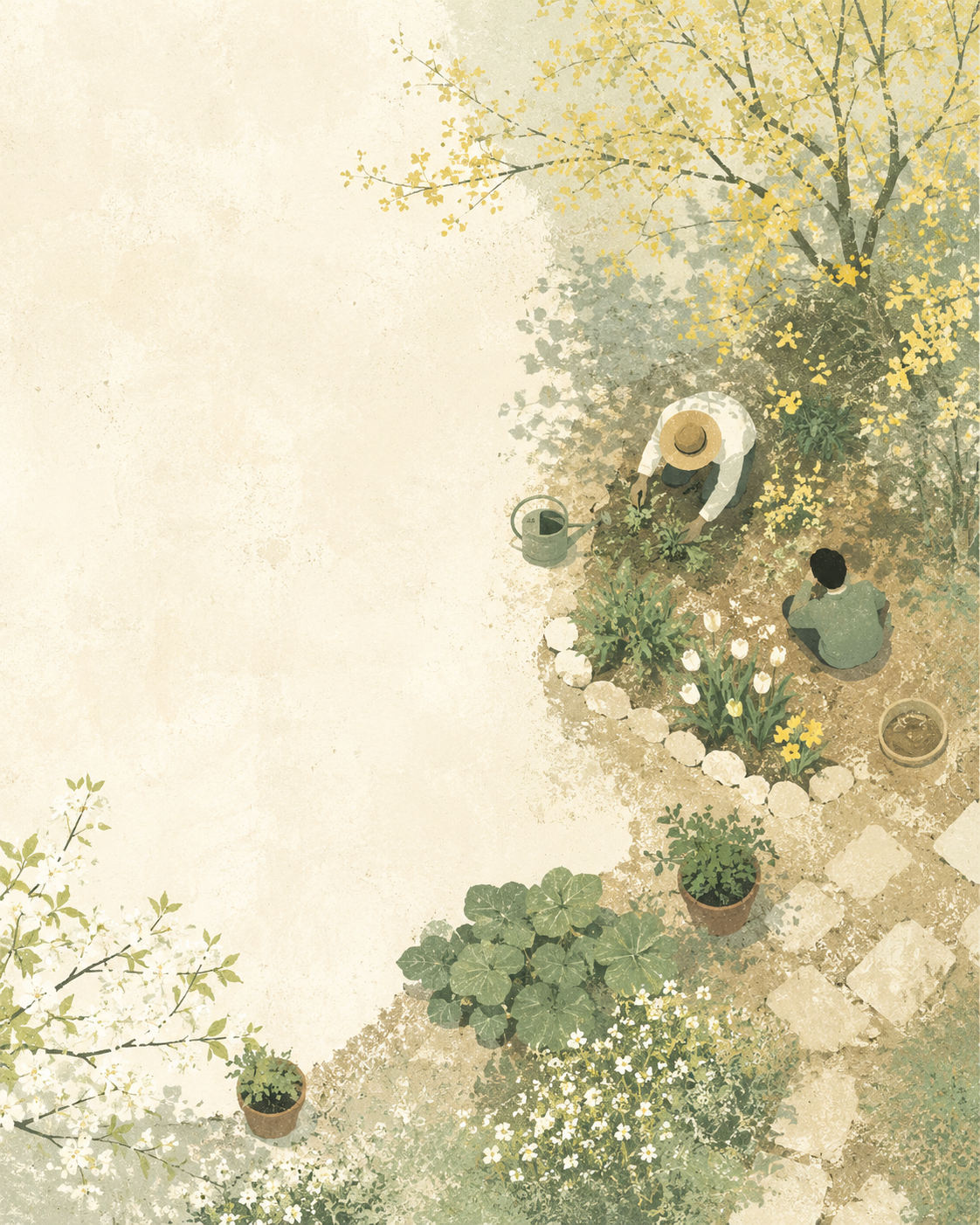

A Kitchen Table Before the House Wakes Up
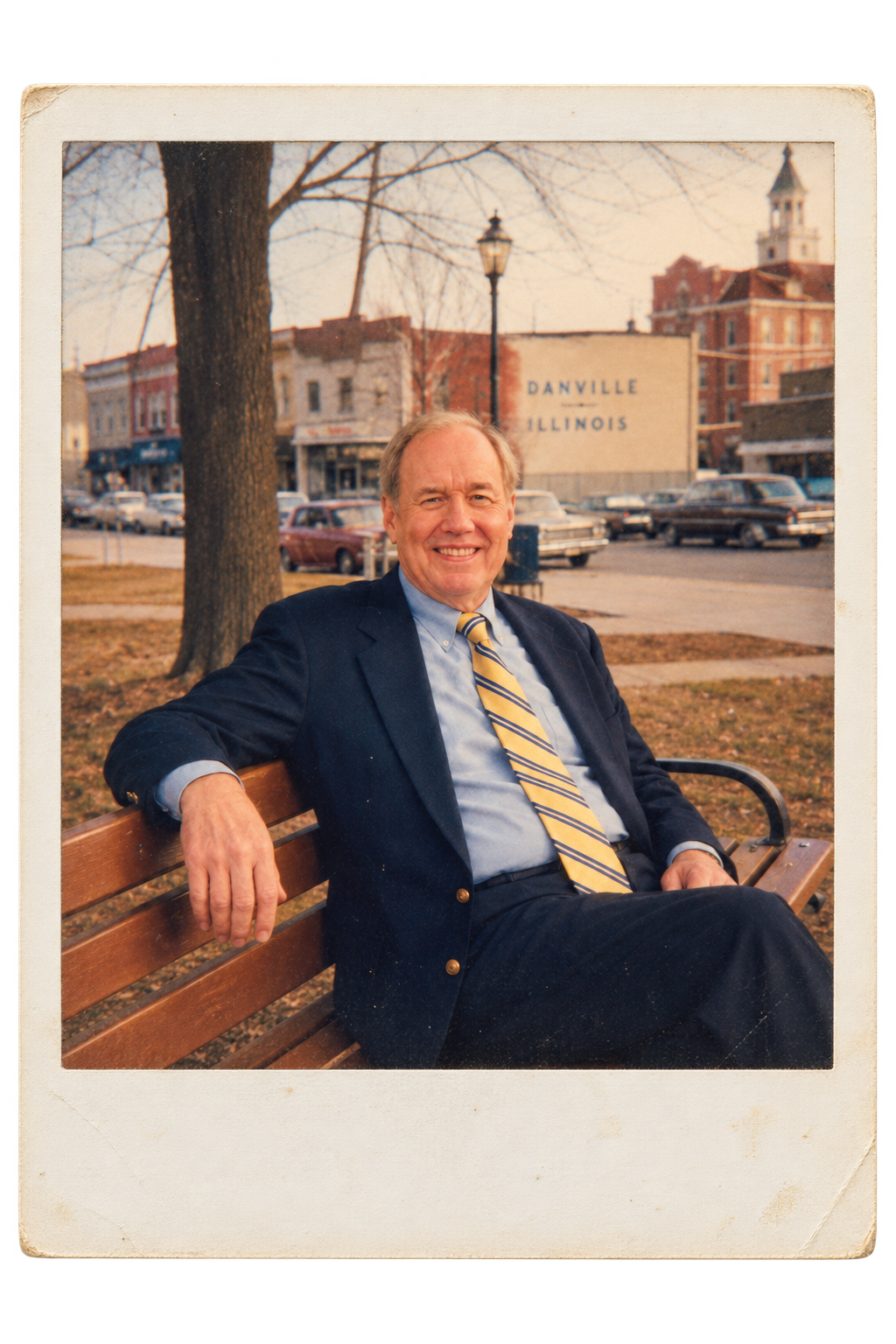
For most of his adult life, Bob rose before anyone else. Not because he was particularly virtuous or disciplined — he was neither. But because he discovered, somewhere in the years of raising children and holding a full life together, that there was a version of himself available only in that hour that was not available at any other time.
The house was quiet. The day had not yet started its negotiations. The coffee was hot, and the cup was his, and the only obligation of that hour was to sit still and let what needed to come, come.
He did not know, when he began this habit, that he was practicing contemplative prayer. He thought he was just sitting in the kitchen.
The Silence That Asks Nothing
The mystical tradition — across virtually every spiritual lineage that has taken silence seriously — agrees on this: the divine is not absent from ordinary life. It is present, and available, and speaking continuously. What we lack is not access but attention.
The kitchen table at six in the morning is a place of attention. Not because it has any special properties, but because the conditions there — the quiet, the earliness, the absence of demand — allow a different quality of listening. The static of the day has not yet arrived. The long list of what needs doing has not yet taken over. There is, briefly, space.
Thomas Merton wrote that contemplation is not a technique. It is a gift — and the gift is given not to those who are most skilled or most disciplined, but to those who show up, consistently, in the posture of receptivity. Hands open. Not grasping. Just present.
The kitchen table is that posture, made into a place.
Bob learned something important in those early hours: the self he was managing all day — the professional self, the father self, the self that knew what to say in difficult rooms — needed a self beneath it that was not being managed. Something that had no role to perform. Something that could simply be in the presence of the quiet and receive what the quiet had to give.
That self, unmanaged and unhurried, is where genuine spiritual life begins. And for Bob, it lived in the kitchen at six in the morning.
Making the Practice Your Own
If you do not have this hour, Bob was not going to tell you to wake up earlier. Some seasons of life do not allow it, and adding one more obligation to an already full life was never what he was offering.
What he was offering is this: the kitchen-table quality of attention is available in shorter windows than you think. The ten minutes in your car before you go inside. The walk from the parking lot to the building. The two minutes between when you wake and when you reach for your phone.
In those windows, try this: breathe, name one thing you're grateful for, and then sit — even briefly — with the question what am I not hearing because I'm moving too fast? You do not have to hear an answer. The asking is the practice.
There are also three things Bob found reliably helpful in those early hours, worth naming plainly:
Write something. Not for anyone else — just for you. Three sentences about what is true this morning. The act of putting honest words on a page is one of the fastest ways to find out what you actually think.
Read something slow. Not news, not anything that demands a response. Something that invites you to think rather than react. A psalm. A poem. A paragraph from someone who has already done the work of slowing down.
And sit in the quiet without filling it. Five minutes. Ten if you can. Let the silence be the practice.
God does not require a sanctuary. What is required is only that you stop, briefly, the constant forward motion of managing your life, and allow yourself to be found.
You have been findable all along. The table is waiting. The coffee is hot.
Come sit.
Bob ended every letter, every session, every goodbye with the same words: Fair winds and following seas. I'll be seeing you.
— A reflection on the life and work of Robert Kenneth Jones (1950–2020).
Bob Jones spent more than four decades quietly innovating in the treatment of addiction and the wounds of childhood abuse. The Next Right Thing continues his archive of recovery, resilience, and faith.