A Recovery Meeting Basement on a Tuesday Night
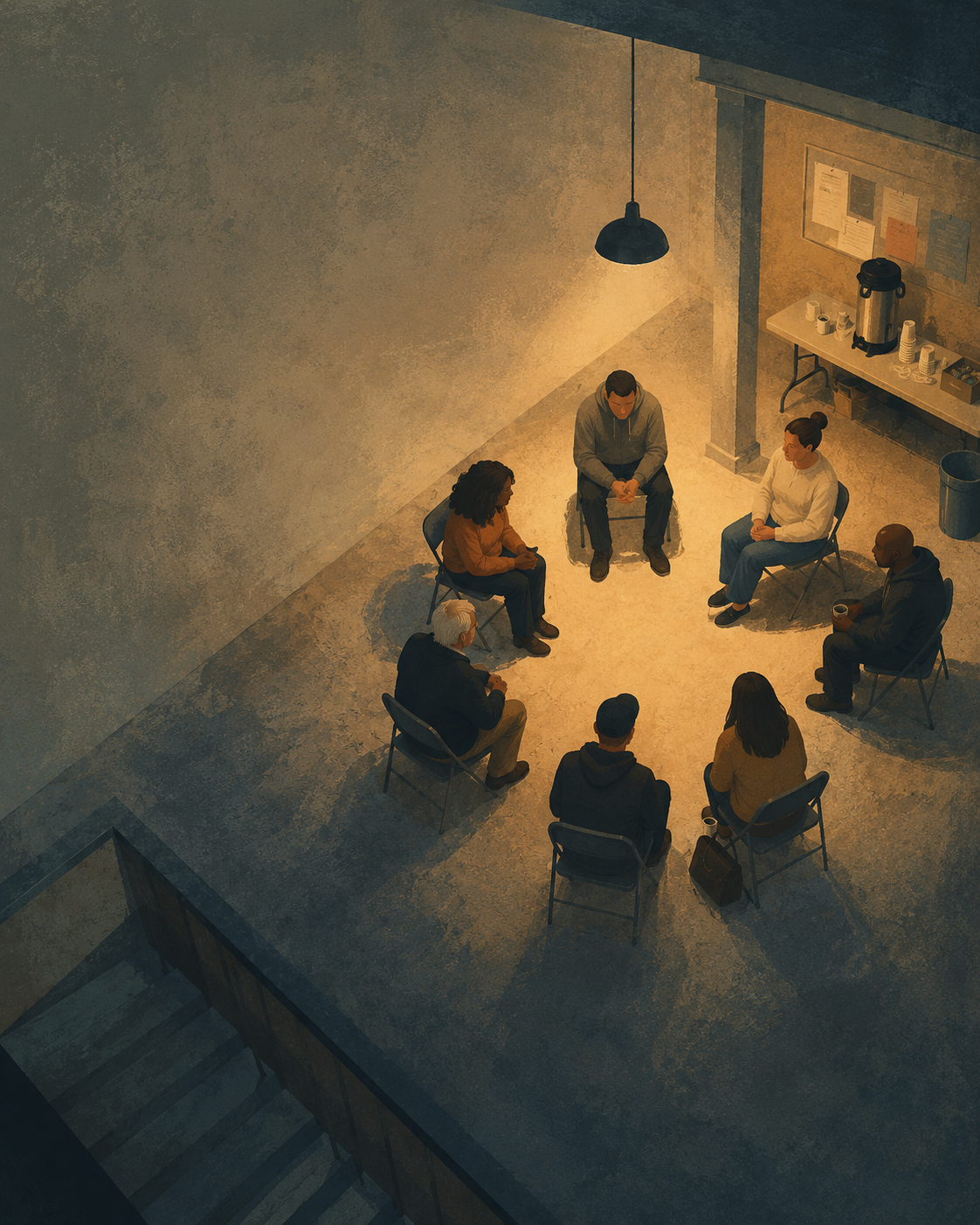
The coffee is terrible. It was terrible at every meeting Bob ever attended, in every city and basement and church fellowship hall across forty years of showing up to these rooms. The cups are styrofoam. The folding chairs are uncomfortable. The fluorescent lighting makes everyone look slightly unwell.
And in those rooms, Bob saw more grace per square foot than anywhere else he ever stood.
He first walked into a Twelve Step meeting because his work brought him there. The young people he was serving were in those rooms, and he wanted to understand what they were finding. What he found was something he had not expected: a community that had, without calling it theology, figured out almost everything that theology is trying to say.
What the Rooms Know
The Twelve Steps are a spiritual document. Not a religious one — there is a difference, and the meetings honor it carefully. They do not require a creed, a denomination, or even a specific name for God. What they require is an honest acknowledgment of the limits of self-will, a willingness to be helped, and the discipline of telling the truth about your story.
In his own tradition, Bob would call that confession, grace, and community. The meetings call it something else, but the architecture is identical.
What Bob kept noticing in those rooms was the quality of the listening. Nowhere else he had been — not seminaries, not therapy offices, not churches — had he witnessed people listen to each other the way they listen in meetings. Without advice. Without diagnosis. Without the urgent need to fix what is being said. Just: I hear you. I have been there. Keep going.
That quality of witness is, Bob believed, what the human soul is most hungry for. Not solutions. Not explanations. Witness. The ancient Christian tradition has a word for it: paraclesis. Someone who comes alongside. Someone who stays close while you find your footing.
The meetings are full of paracletes. They have terrible coffee and uncomfortable chairs and they are full of paracletes.
What to Bring
You do not have to be in recovery to sit in one of those rooms. Most meetings are open to anyone who wants to come. If you have never been, Bob's counsel was to go — not as a patient, not as a professional observer, just as a human being willing to listen to other human beings being honest. It will change how you hear people for the rest of your life.
And if you cannot get to a meeting, practice the quality of listening that those rooms teach in the rooms you already inhabit. Try, just once, to hear someone out without preparing your response while they are still talking. Let them finish. Let there be a pause after they finish. Then ask a single question — not to solve anything, but to show them you were actually there.
That pause — that willingness to let silence be part of the conversation rather than a gap to fill — is one of the most loving things one human being can offer another.
The Step tradition teaches something else Bob carried everywhere: that the moment of genuine admission — I cannot do this alone, I need help — is not a defeat. It is the beginning of everything. The ego fights this with everything it has. But the person who has been through the rooms knows: the admission is the door. What is on the other side is worth the walk through it.
God shows up in those basements. Not in spite of the terrible coffee and the uncomfortable chairs, but almost because of them. Because no one comes to those rooms to perform. They come because they are out of options.
And that, as it turns out, is exactly the posture in which grace arrives.
Come empty. You'll leave with more than you brought.
Bob ended every letter, every session, every goodbye with the same words: Fair winds and following seas. I'll be seeing you.
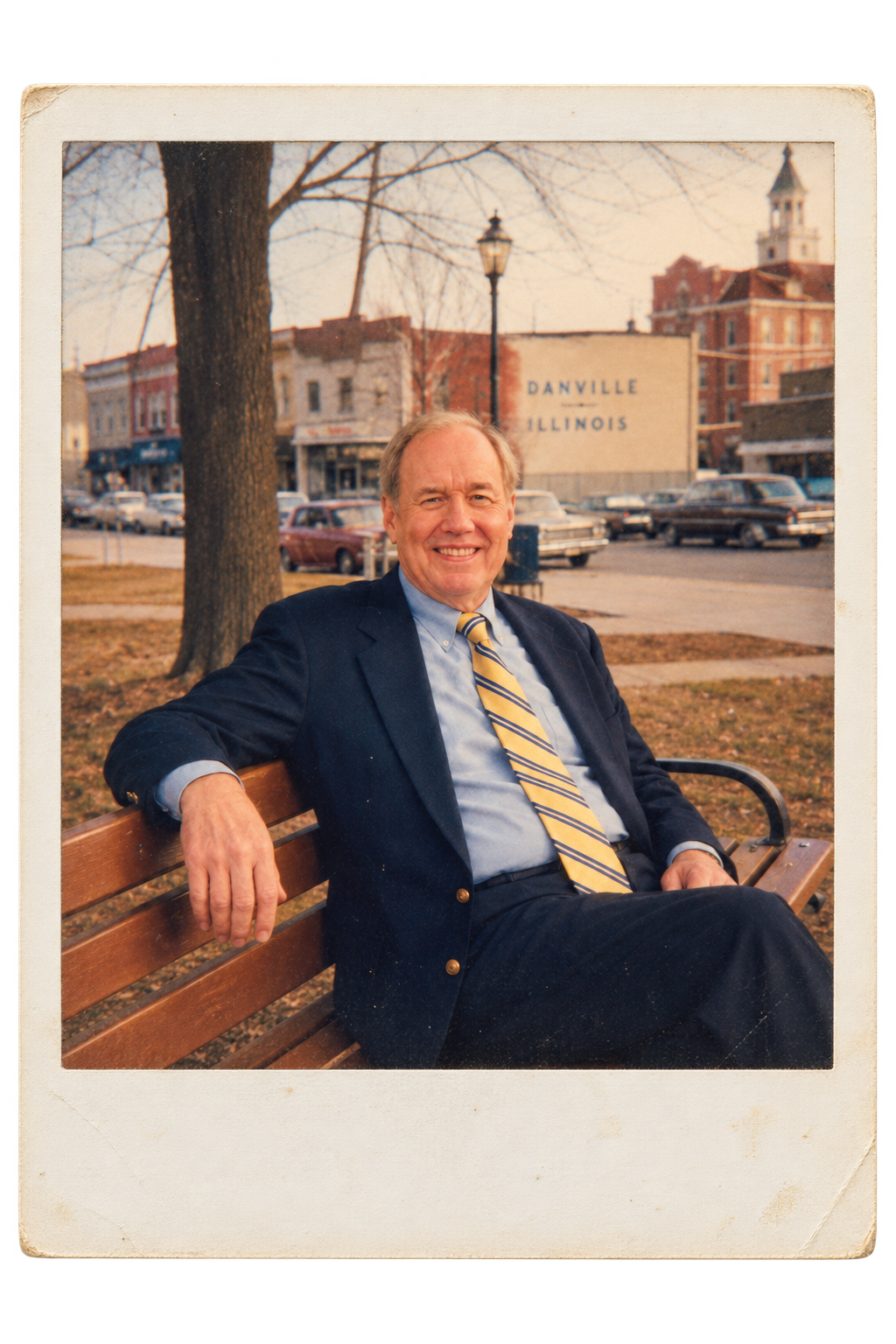
— A reflection on the life and work of Robert Kenneth Jones (1950–2020).
Bob Jones spent more than four decades quietly innovating in the treatment of addiction and the wounds of childhood abuse. The Next Right Thing continues his archive of recovery, resilience, and faith.