Stay in the Room
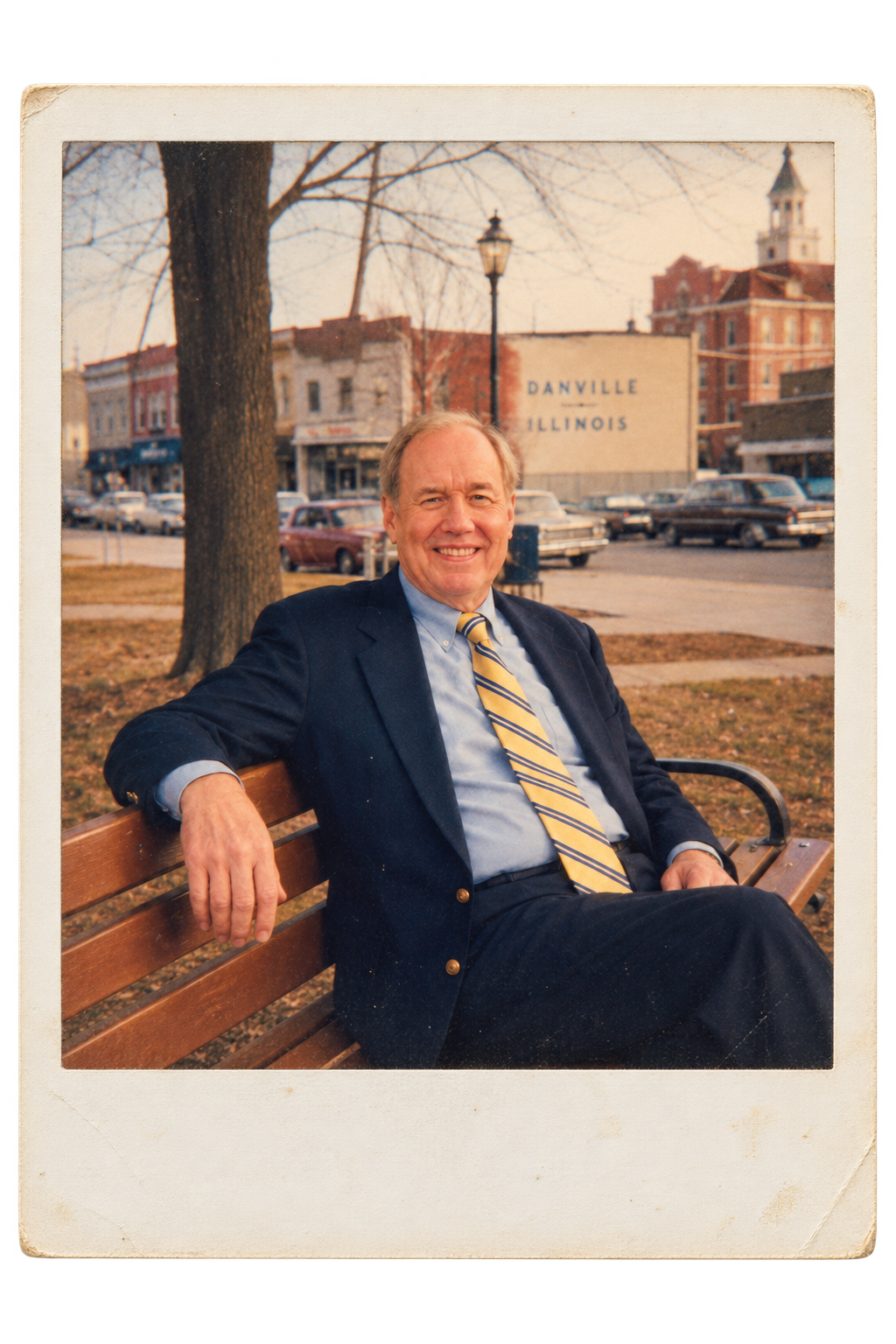
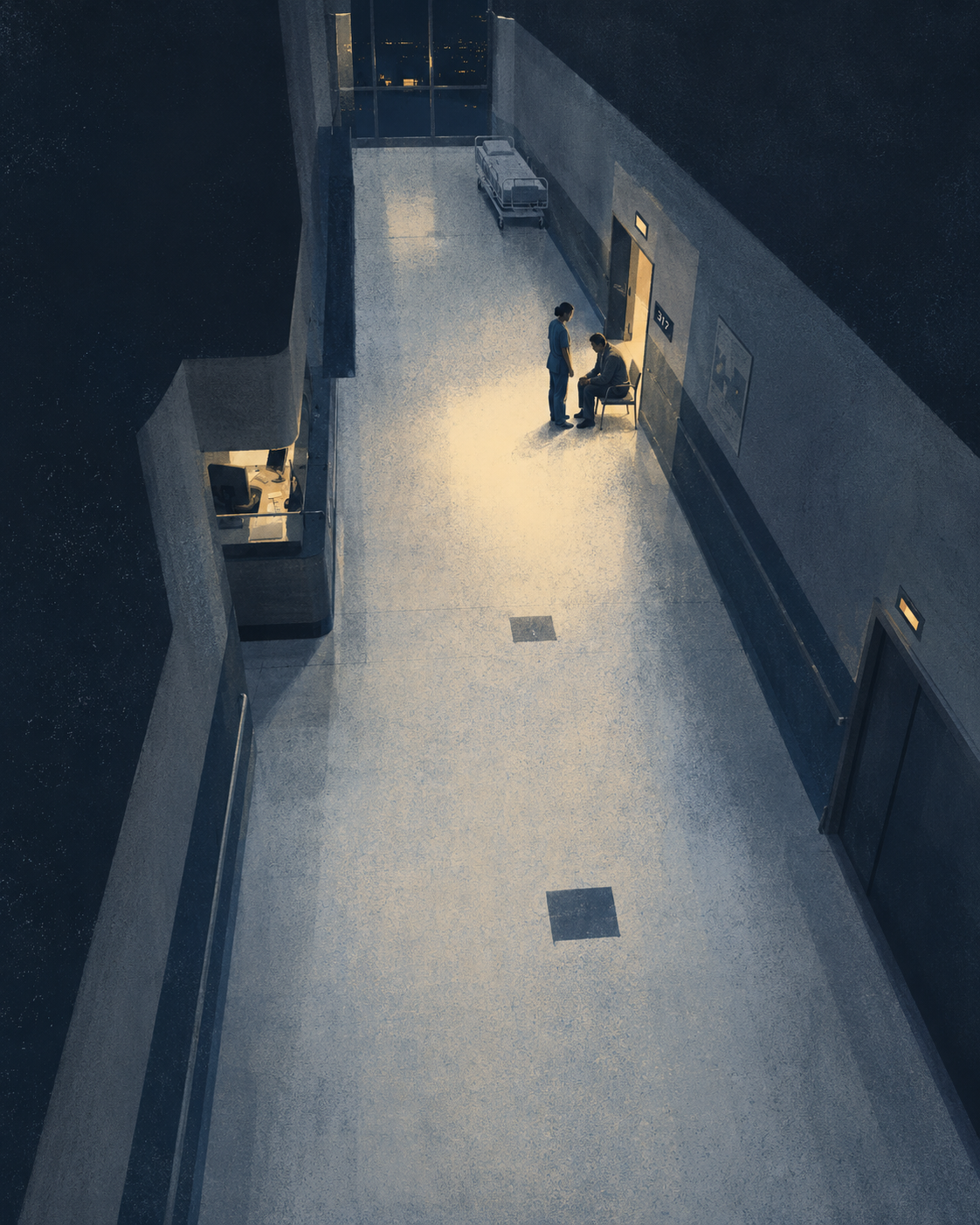
In his own account of a meeting with Jacob, Robert Kenneth Jones remembers being unprepared. A fifteen-year-old boy in residential treatment had come to him with a spiritual question. Bob was serving as diagnostic coordinator and spiritual director. What the boy needed was not what Bob had expected.
Staying available meant listening closely enough to recognize the request in front of him.
Presence can include silence, a question, or words a person has asked to hear. It cannot be reduced to a technique that makes every conversation turn out well.
The Boy Who Asked for a Blessing
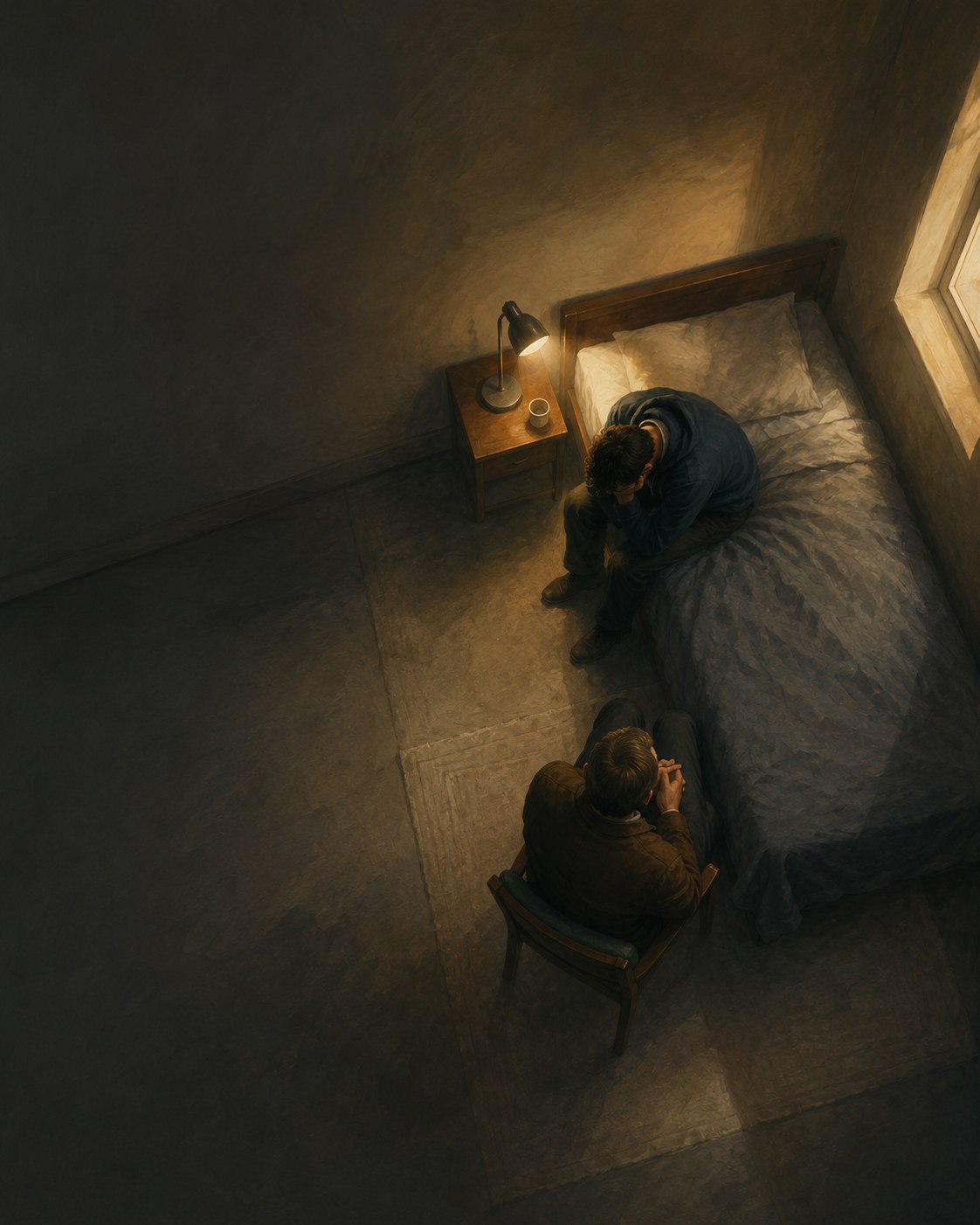
Jacob had run away from a strict religious home and had been abused on the streets. He was engaged in recovery, but carried shame about what he understood as abandoning God. Sitting across from Bob, he fidgeted with a sobriety chip.
Then he asked: "Dr. Bob. Would you bless me?" Bob wrote that no one had asked him that in a clinical setting before. He felt unsettled, but agreed.
When they stood, Jacob embraced him and wept. Bob returned the embrace, spoke Jacob’s name, and told him that he was chosen and blessed, with a purpose no one could take away.
Jacob stepped back and said: "Okay, That's what I needed. That’s a for-real blessing."
Jones later recorded that Jacob lived with his grandparents and graduated from high school. They kept in touch for a while, then lost contact. Seeing him later on social media, Bob wrote that his life appeared good.
What Presence Actually Is
It is worth being careful with the word presence. In this story it includes a distinctly spiritual response, offered because Jacob asked for it. Bob connected the encounter to Henri Nouwen’s themes in Life of the Beloved: chosen, blessed, broken, and given.
Presence is not agreeing. It is not approving. It is not the absence of boundaries or the suspension of professional judgment. It is not letting a person hurt you in the name of staying available to them.
Presence is witness: attending to another person without requiring them to fit the conversation we planned. Jacob was already participating in treatment. This moment addressed a spiritual concern he brought to Bob; it did not replace that wider care.
The detail worth carrying forward is the sobriety chip in Jacob’s hand. An observer might have seen only fidgeting. Bob remained available until the boy could say why he had come.
What to Look For
There are moments when another person’s pain or silence exceeds our comfort. Before ending the conversation, it can help to ask whether we have heard what they came to say — while still respecting their wish to stop.
This is not a call to stay in situations that are genuinely unsafe. It is a call to examine, honestly, whether what you're fleeing is danger or discomfort. Those are different things.
In an ordinary conversation, this may mean asking a second question, then allowing the person to answer in their own time. It also means accepting an answer we did not anticipate, or accepting that they do not want to talk.
That staying — ordinary, consistent, unheroic — is what love actually looks like most of the time.
Stay available long enough to hear the actual request. In this room, it was a boy asking for a blessing.
— A reflection on the life and work of Robert Kenneth Jones (1950–2020).
Bob Jones spent more than four decades quietly innovating in the treatment of addiction and the wounds of childhood abuse. The Next Right Thing continues his archive of recovery, resilience, and faith.