
The Bottom Was the Beginning: What He Found When He Lost Everything
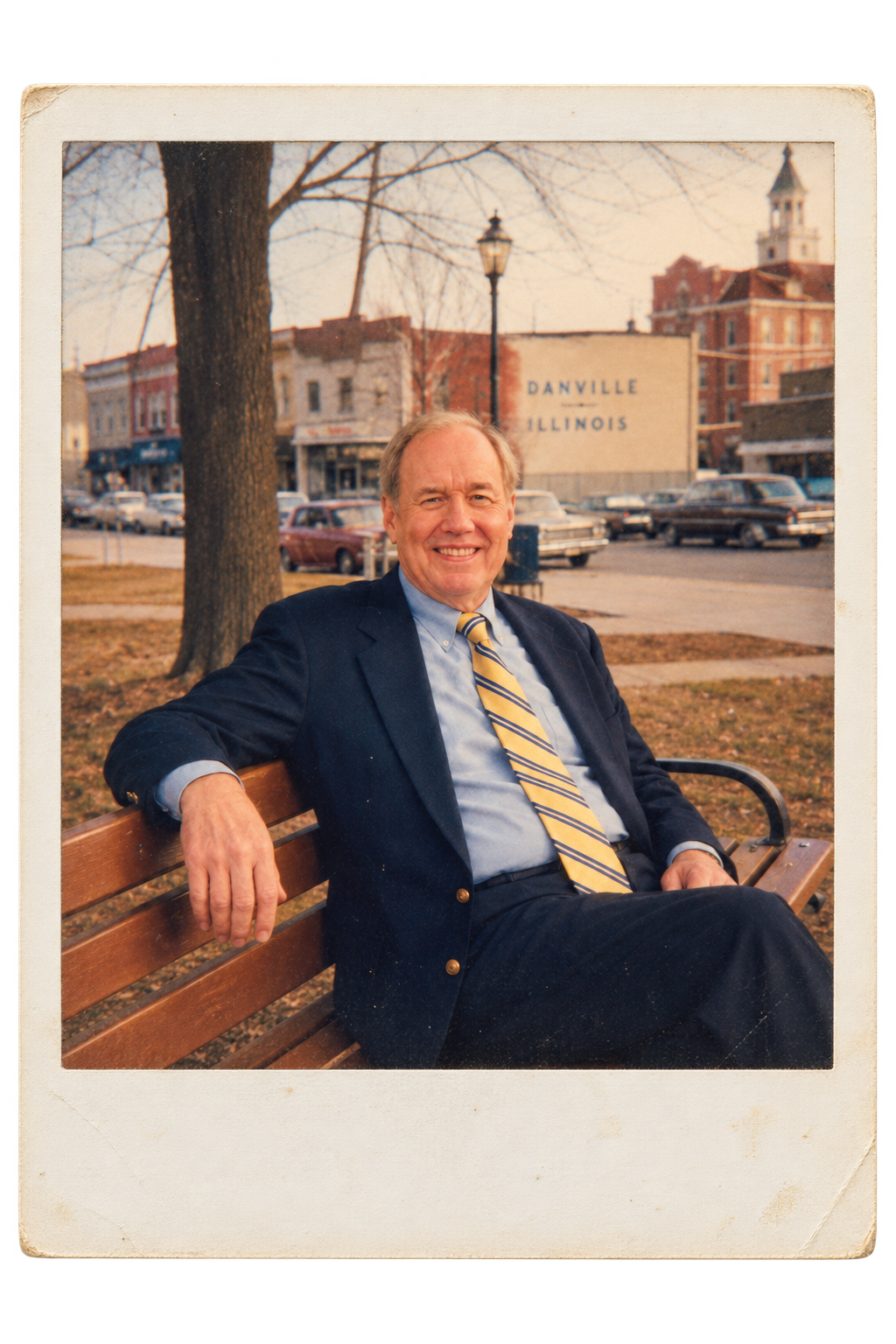
In Finding Joy in Tempestuous Times, Bob wrote plainly about the money, the drugs, and the collapse that preceded his recovery. He also described the years it took to find a different way of living.
By the time he was approaching thirty, Bob had built a life that looked, from the outside, like arrival. Money. Status. Popularity. A kind of confidence that wasn't really confidence at all but momentum — the dizzying forward motion of a man who hadn't stopped long enough to ask whether he was going in the right direction.
Cocaine and alcohol were his running mates. They were perfect for the life he was living: they kept him moving, kept him from feeling the things that would have slowed him down, kept the questions quiet. His personal wealth was nearing a million dollars. He was on his way up, and the people he stepped on to get there were, he told himself, regrettable collateral damage.
Then the bottom fell out.
What Actually Happened
He wrote that he lost the people and things he treasured. What followed was not a quick transformation but years of descent, desperation, and sadness.
Here is what he did not expect. It was during the years of descent — not after he had rebuilt himself, not after he had cleaned up and become presentable again — but during, in the middle of the loss, that he found something he had never been looking for. Inner peace. A kind of joy he had never touched in the years when he had everything. A silence he could sit in without running.
God found him in the rubble. Not the God he had avoided because he was too busy. A real one, who apparently did not require him to be successful first.
What He Learned There
The bottom taught him things his pursuit of prosperity had obscured. Much of what he had called success was scaffolding around an image. The people and relationships he had treated as collateral damage mattered more than the things he had been accumulating.
In his account, the loss of what he had accumulated made room for a different understanding of richness. Centering prayer and contemplation became part of that change. He described renewed faith, hope, and a sense of God’s love and forgiveness.
He carried that discovery into his work with wounded children and people struggling with addiction. His own history gave him a reason to resist treating someone’s present difficulty as the whole story of their life.
His experience gave him common ground with people who were struggling, without making their lives copies of his own.
What to Look For
For someone whose life is coming apart, Bob’s account offers a question worth considering alongside the immediate work of getting help:
What remains worth caring for? A relationship, a commitment, a faith that has become difficult to practice. The answer may be small and uncertain. It need not explain the whole loss.
His recovery offers hope without making collapse a requirement. No one needs to suffer more in order to deserve help or discover a meaningful life.
Bob’s own account includes later stumbles as well as renewed purpose. The useful inheritance is that honesty: a life can become meaningful again without becoming effortless or untroubled.
What he carried into his work was a reason to keep looking for possibility in a person whose life was still coming apart.
— A reflection on the life and work of Robert Kenneth Jones (1950–2020).
Bob Jones spent more than four decades quietly innovating in the treatment of addiction and the wounds of childhood abuse. The Next Right Thing continues his archive of recovery, resilience, and faith.