

Why Police Chaplains Are DifferentHow We Support Them.
Explore the articles
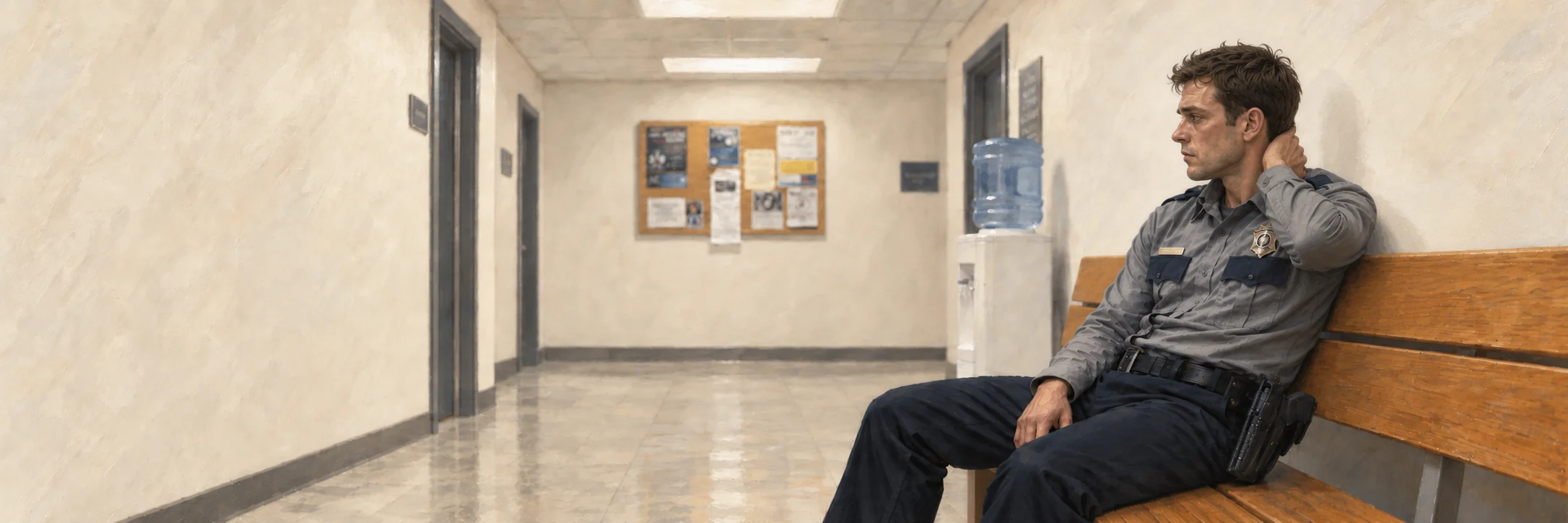
Police chaplains are critical to the spiritual survival of police officers and their families. The problem is there aren’t enough of them to go around.
At a time when police officers are increasingly asked to walk into the distress of the country, absorb it, and keep moving, officers are hesitant to ask for help.
It’s enough to put even a good person’s soul at hazard.
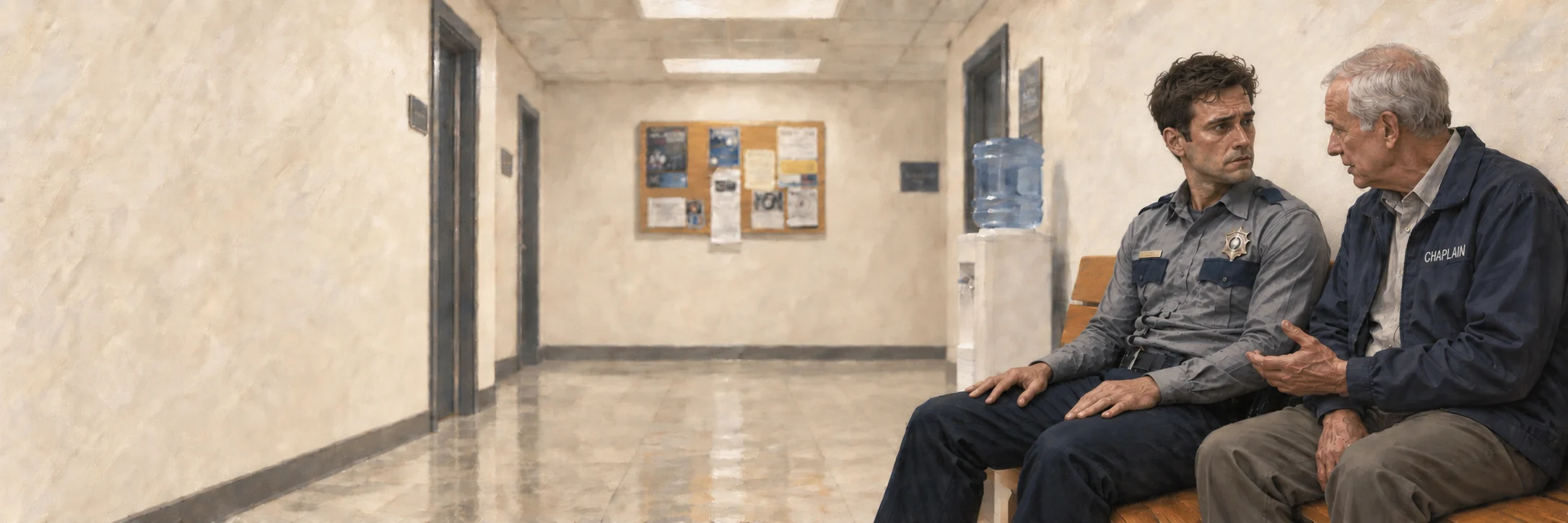
A police chaplain enters through a different door.
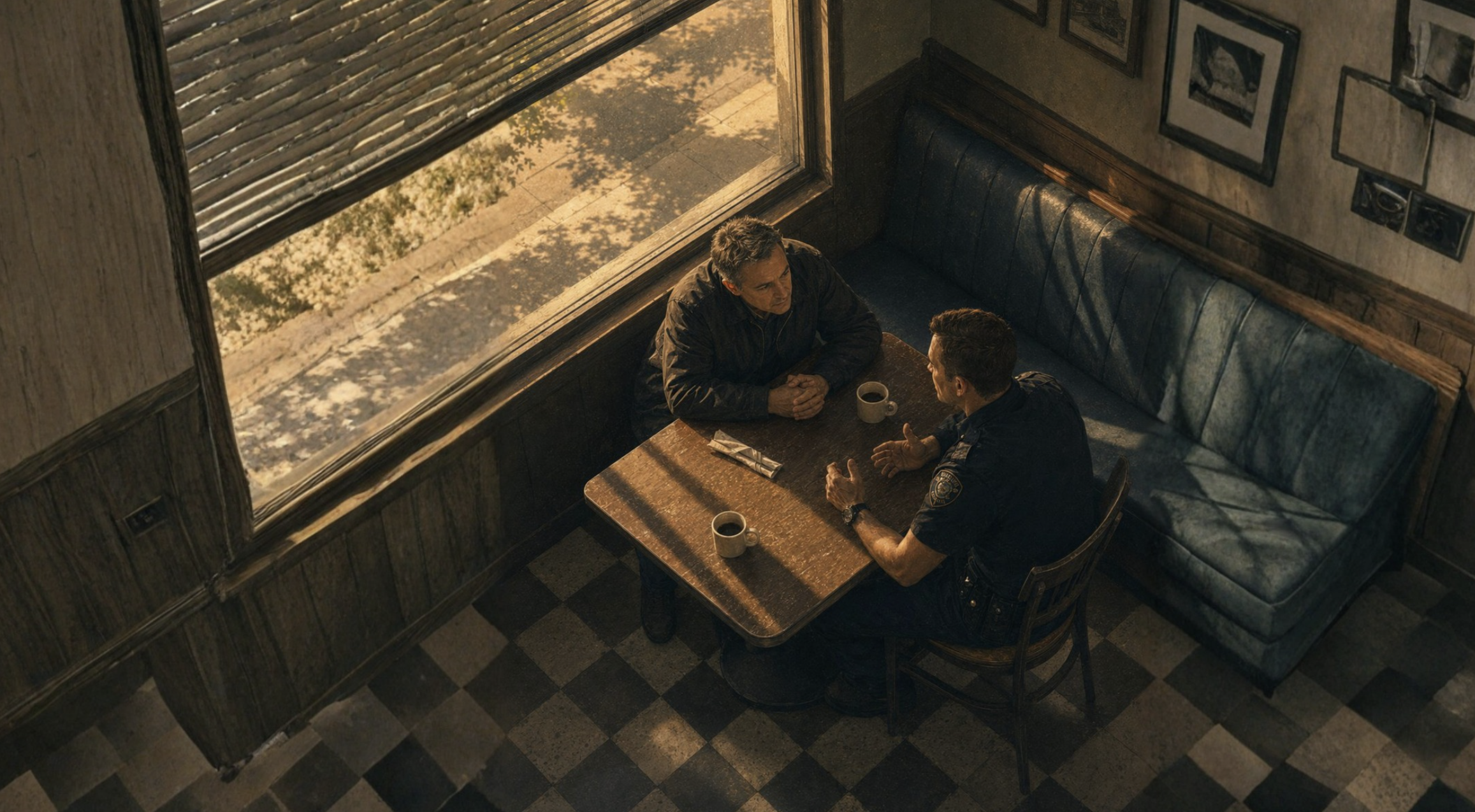
The chaplain is someone the officer already knows and trusts—someone who can ask, “How are you doing?” or “Let’s get some coffee.”
That is one of the great, underappreciated strengths of police chaplaincy: the chaplain can reach an officer before the officer believes help is necessary.
That small opening can yield enormous benefits.
A spiritually grounded officer can bring that steadiness back to the street and help keep cynicism from taking hold.
Yet police chaplaincy is often held together by goodwill alone.
Chaplain programs rely heavily on volunteers and operate with little to no funding. It takes a genuine calling to wake up in the middle of the night to comfort a grieving family, staying long after everyone else has gone.
Many of the best chaplains are retirees who continue to serve because they are often the only lifeline for those in crisis. Without their continued dedication, a department’s chaplaincy program would collapse.
For nearly 20 years, ChaplainUSA has worked to change that.
Thanks to your support, wisdom that might otherwise be lost finds new purpose—comforting those in grief and giving police leaders the practical tools they need to lead through crisis.
Our goal, ultimately, is simple: when something becomes too heavy for an officer to carry alone, someone they already trust should be close enough to say, “Let’s get some coffee.”
Step 1
First, we ask police chaplains to tell us what they know.
Visit the newly digitally restored Police Chaplain Project.
Watch the collection
Step 2
Next, we turn their wisdom into practical resources.
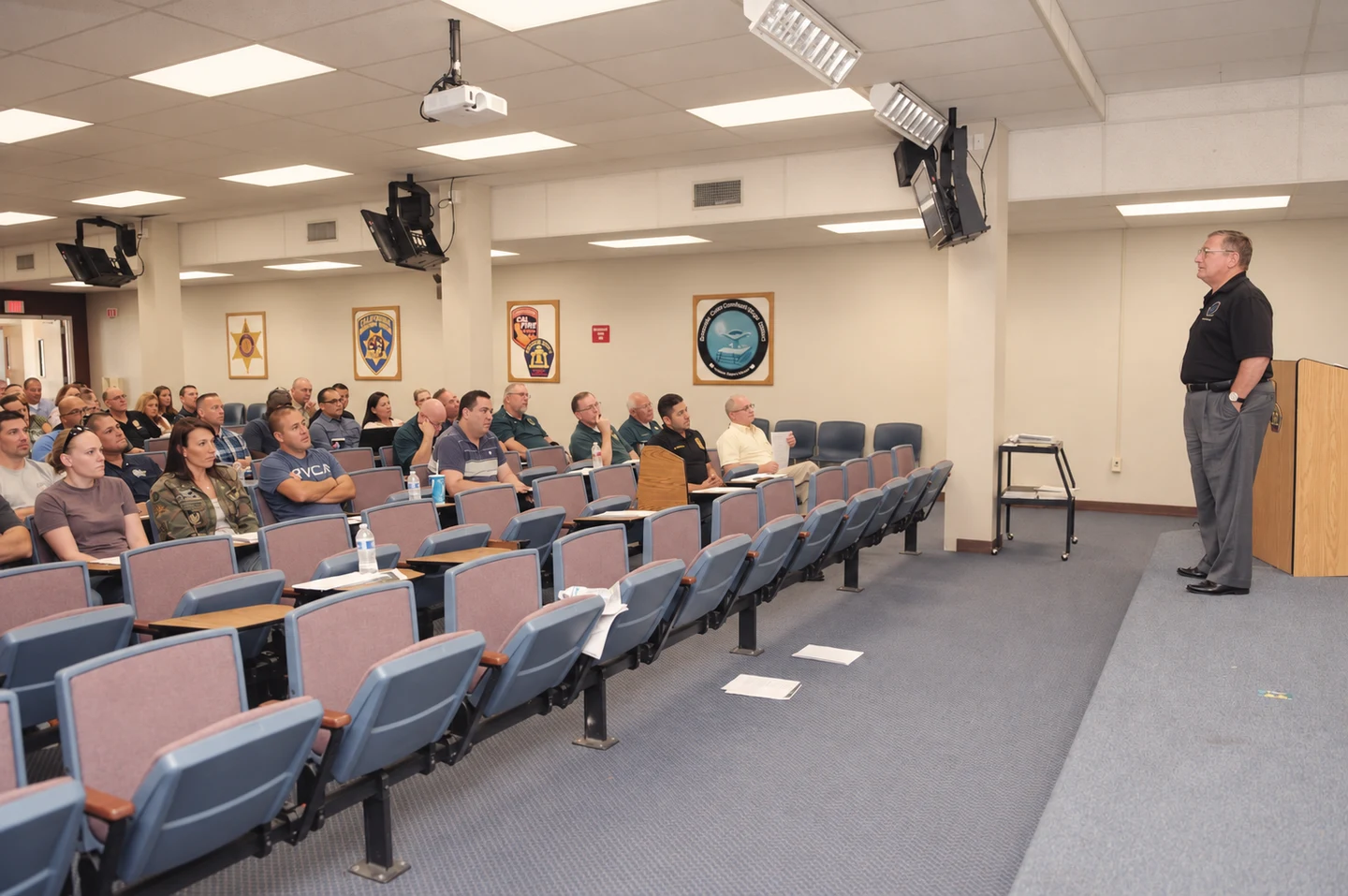
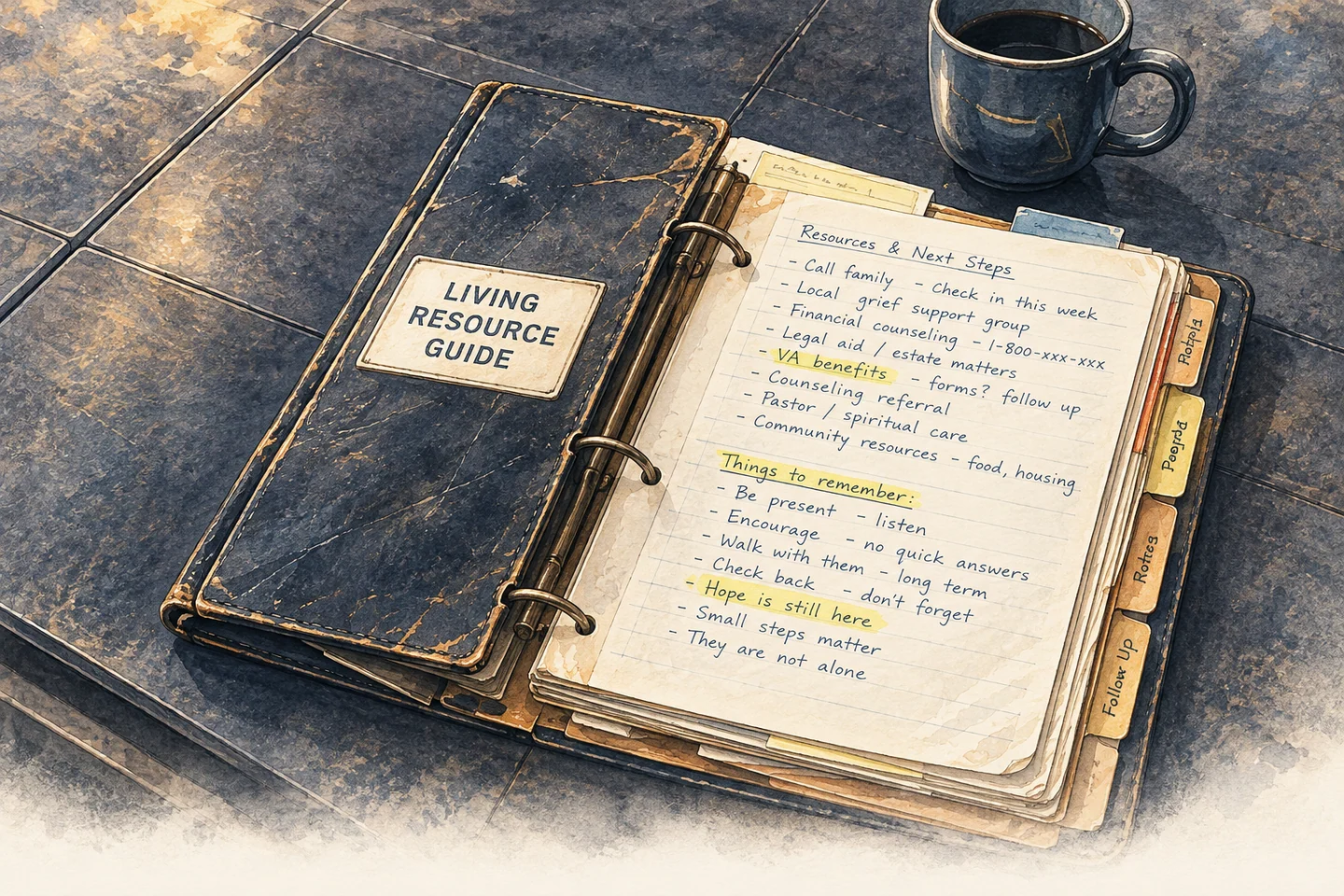
Working hand in hand with police chaplains, we have developed ways to make wisdom drawn from the archive portable and practicable.
That’s the key to what we do: an archive for future generations, but programming that addresses problems here, now, today.

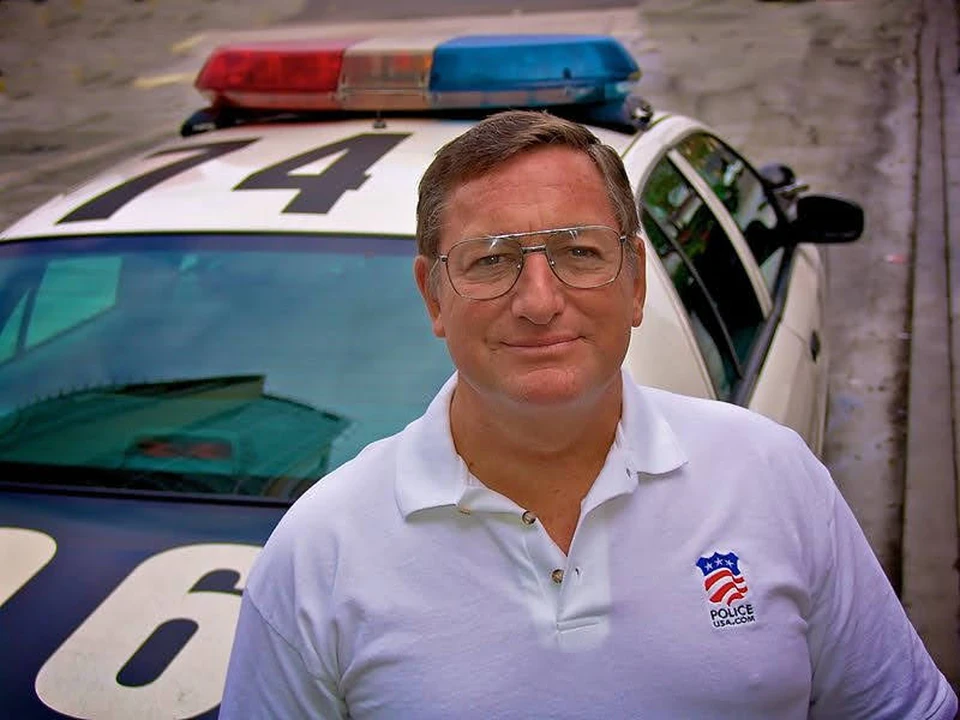

AFTERMATH: Managing a Line of Duty Death Crisis
Decades of experience distilled into practical rules for dealing with law enforcement’s darkest day.








Step 3
What you need to know before you need to know it.
Finally, get the latest from all our programming.
ChaplainUSA updates and special reports.
Browse the ChaplainUSA Blog by category and topic ↗
Eleven places to start
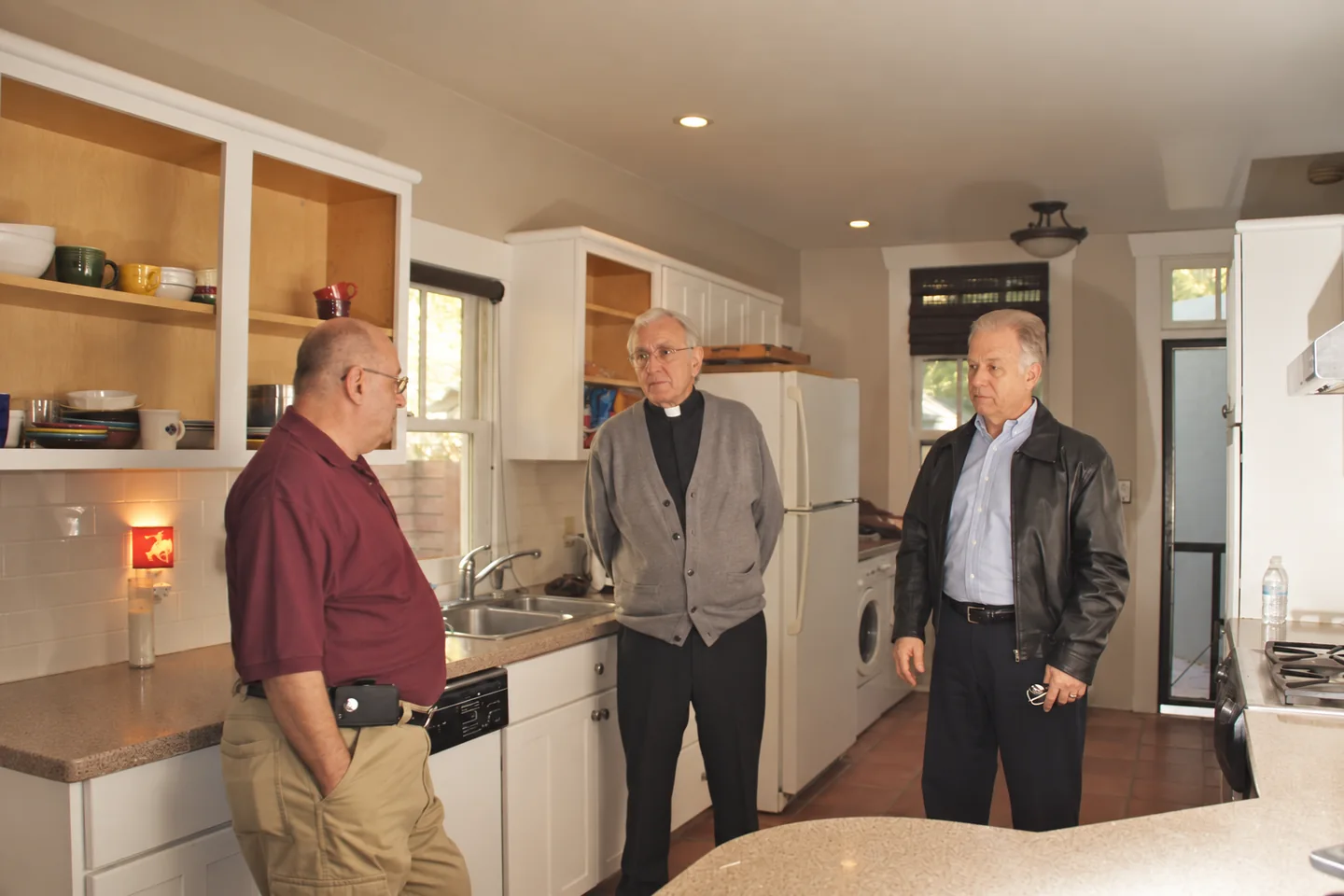
THE STATE OF CHAPLAINCY
The Crisis in Police Chaplaincy: Goodwill Alone Is Not Enough
Officers need someone they trust. Chaplains need the training, resources and departmental support to be there. Here is what a sustainable program requires.
Open the article ↗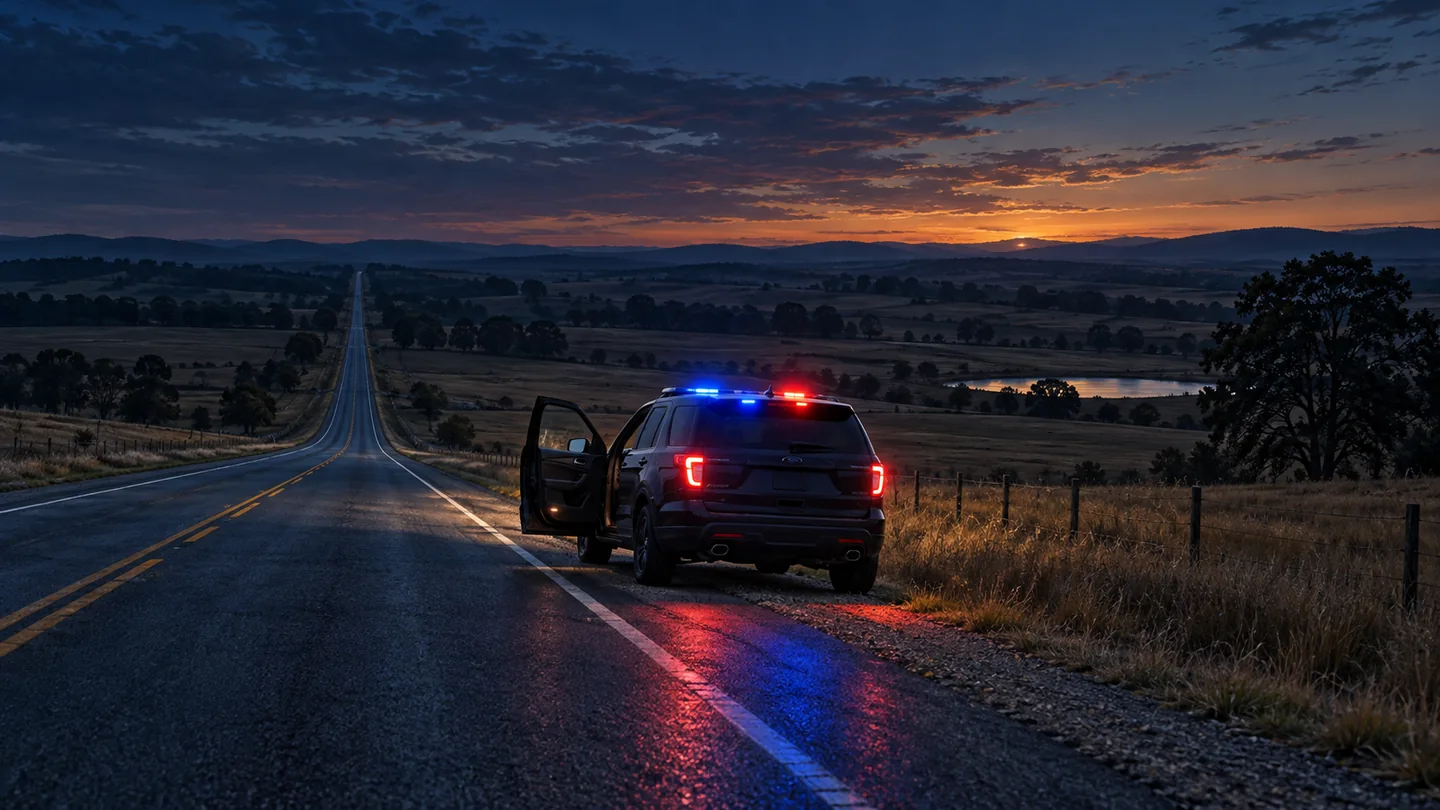
ChaplainUSA Blog · Aftermath
Officer Down, Nobody Around for Miles: How Police Chaplains Can Better Serve Rural Areas
Distance changes the call—and the support that follows. How chaplains can build a regional circle of care.
Open the article ↗
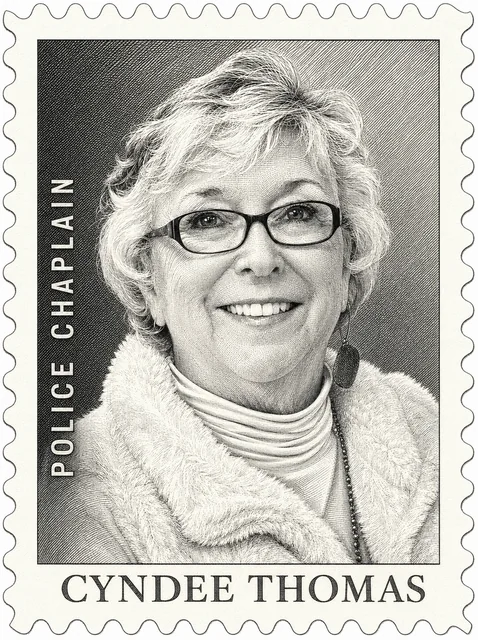
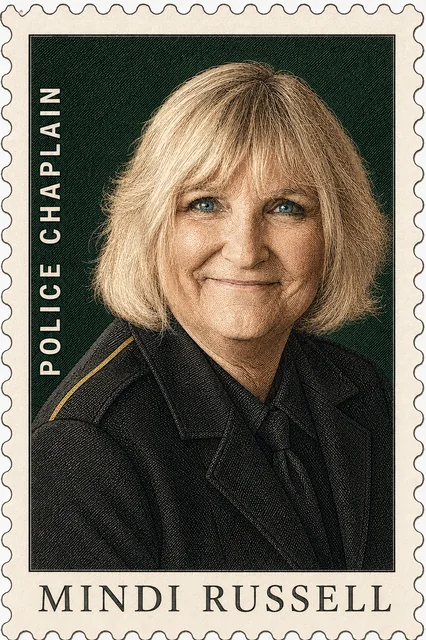
Legendary Women of Police Chaplaincy
We salute living legends Marie Betcher, Cyndee Thomas, and Mindi Russell—trailblazers in women’s growing presence in law-enforcement chaplaincy. Hear their stories from the archives of the Police Chaplain Project.
Police Research Watch
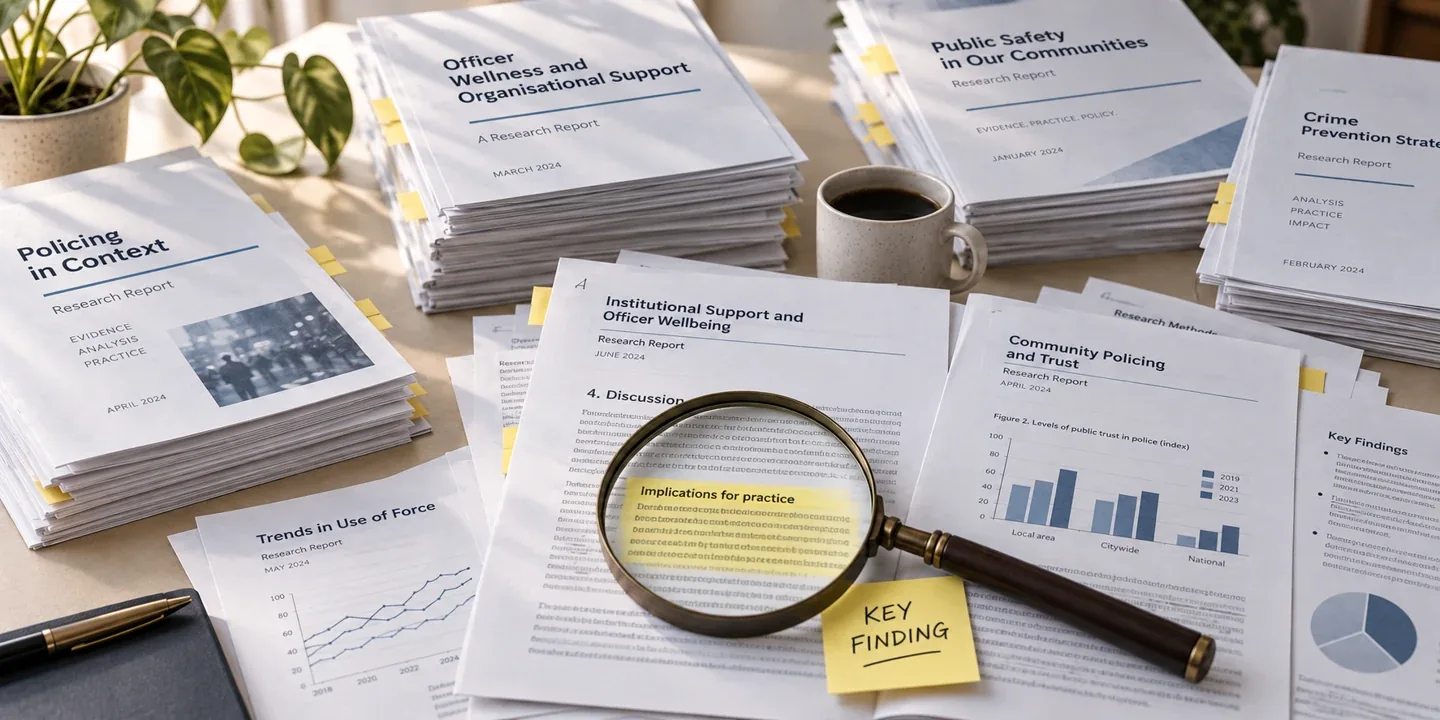
Buried in 107 Pages: A Warning for Police Chaplains
RAND’s new report on officer wellness contains a finding that should get the attention of every chaplain program.
Open the article ↗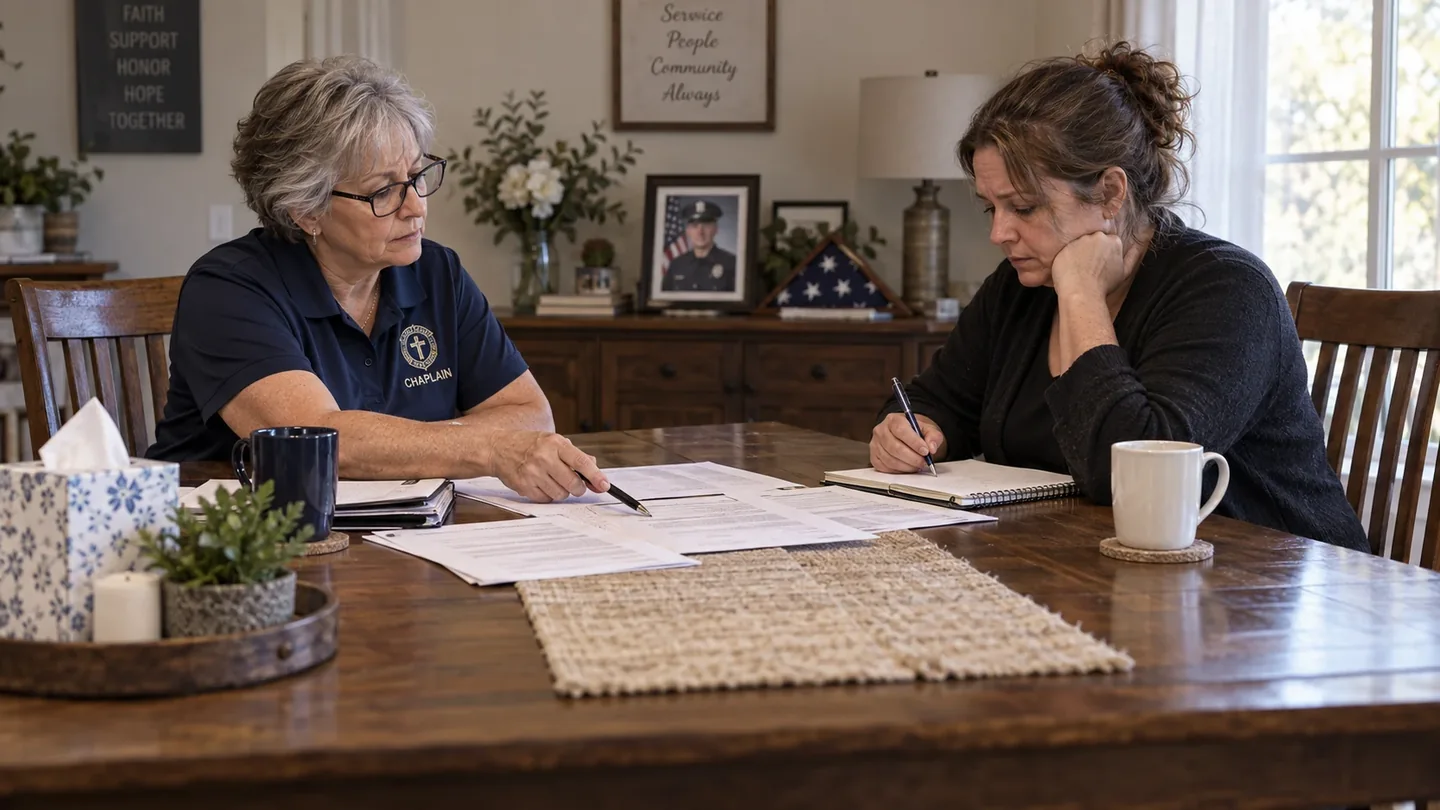
2026 CHECKLIST
A Grieving Spouse Shouldn’t Face the Benefits Maze Alone. Bring a Chaplain—and a Checklist.
Help a surviving spouse navigate benefits, reach the right specialists, and take the next step.
Open the article ↗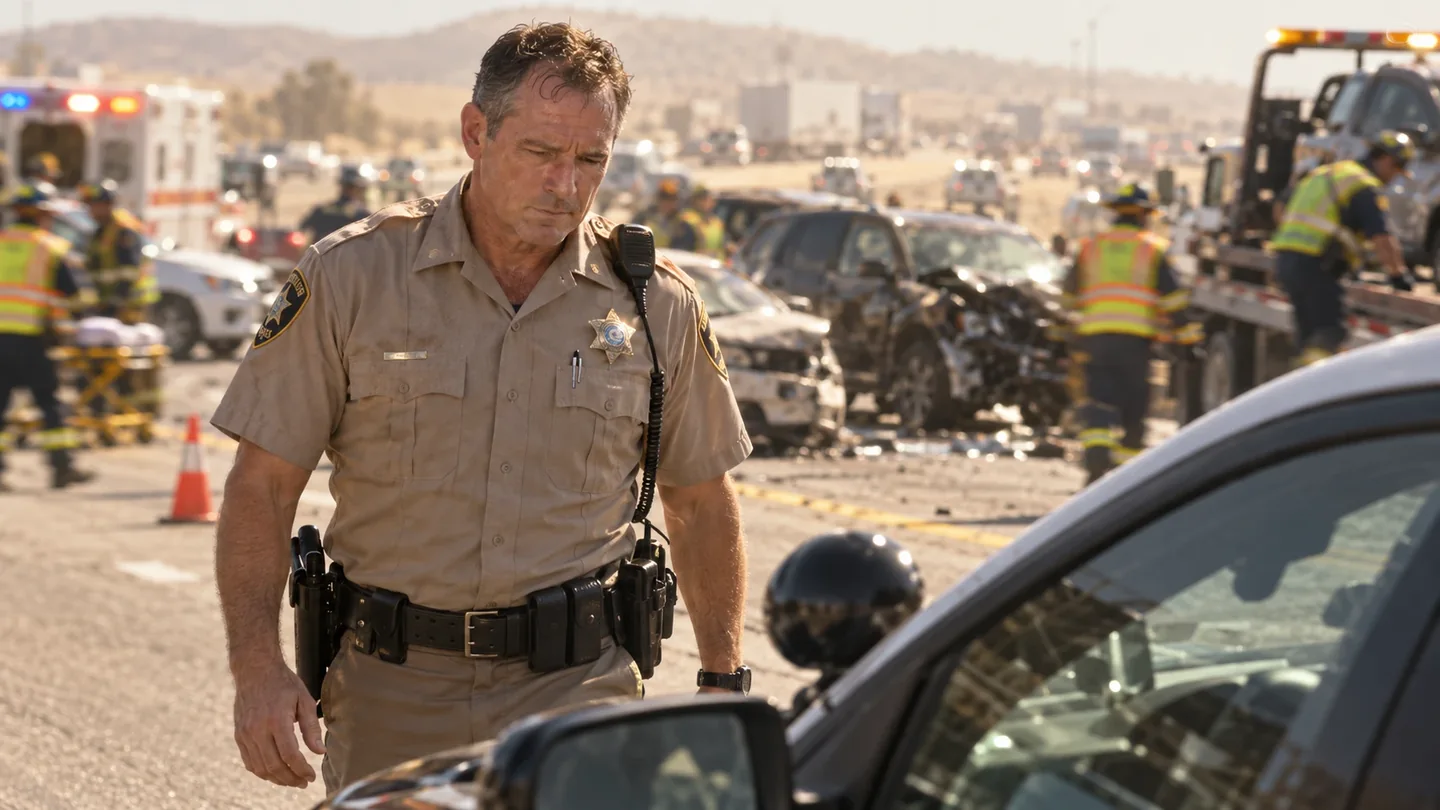
ChaplainUSA Blog
“More Fishermen Die Every Year”: A Chaplain’s Response
Fatality rates answer one question. They cannot tell us what the officer in front of us carries home. An honest reading of the numbers leaves room for both facts and the person.
Open the article ↗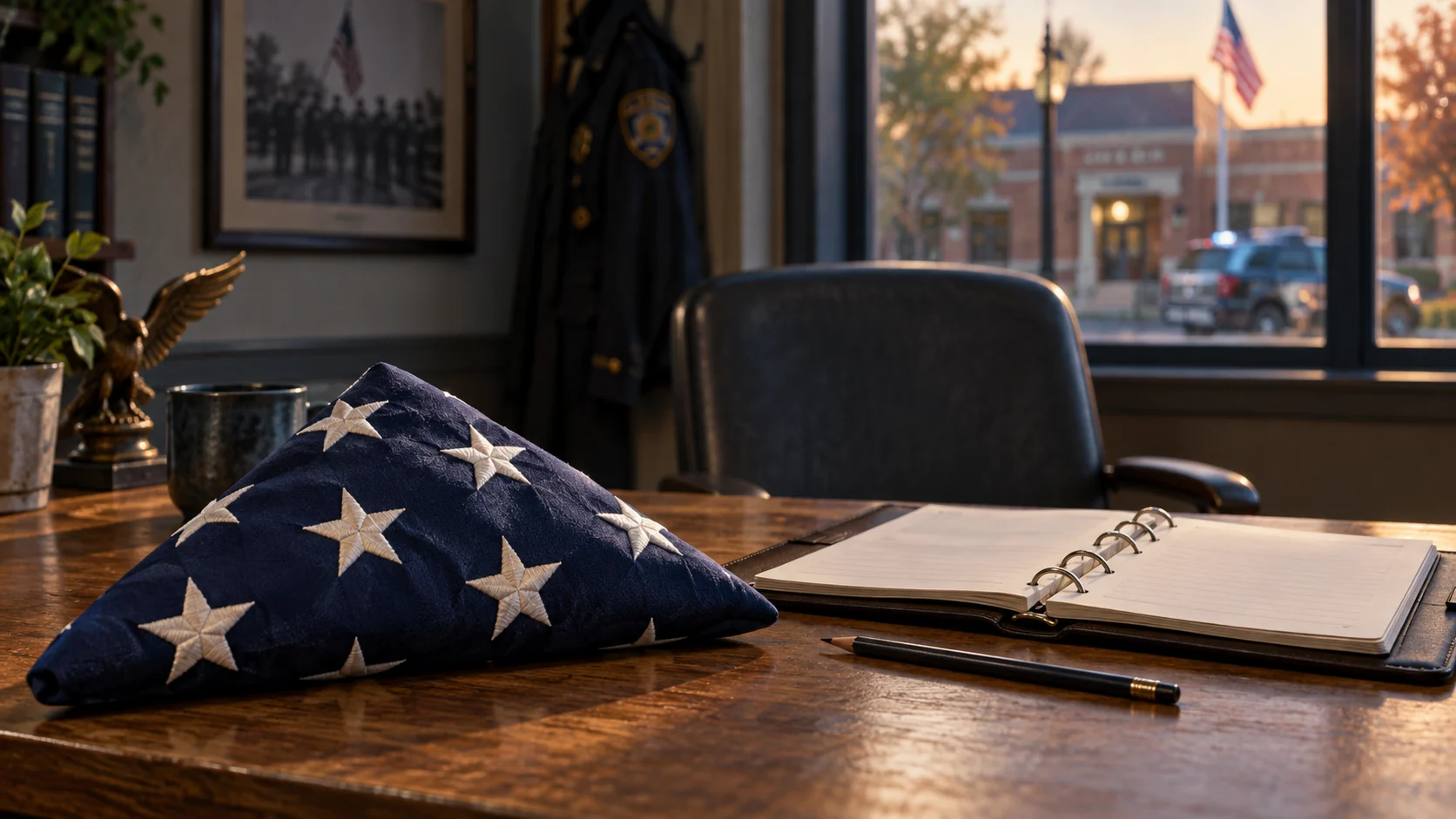
ChaplainUSA Blog
A Law Enforcement Funeral Is Different. How Chaplains Can Make the Case.
A funeral director brings expertise. A chaplain helps the department keep its responsibilities to the family.
Open the article ↗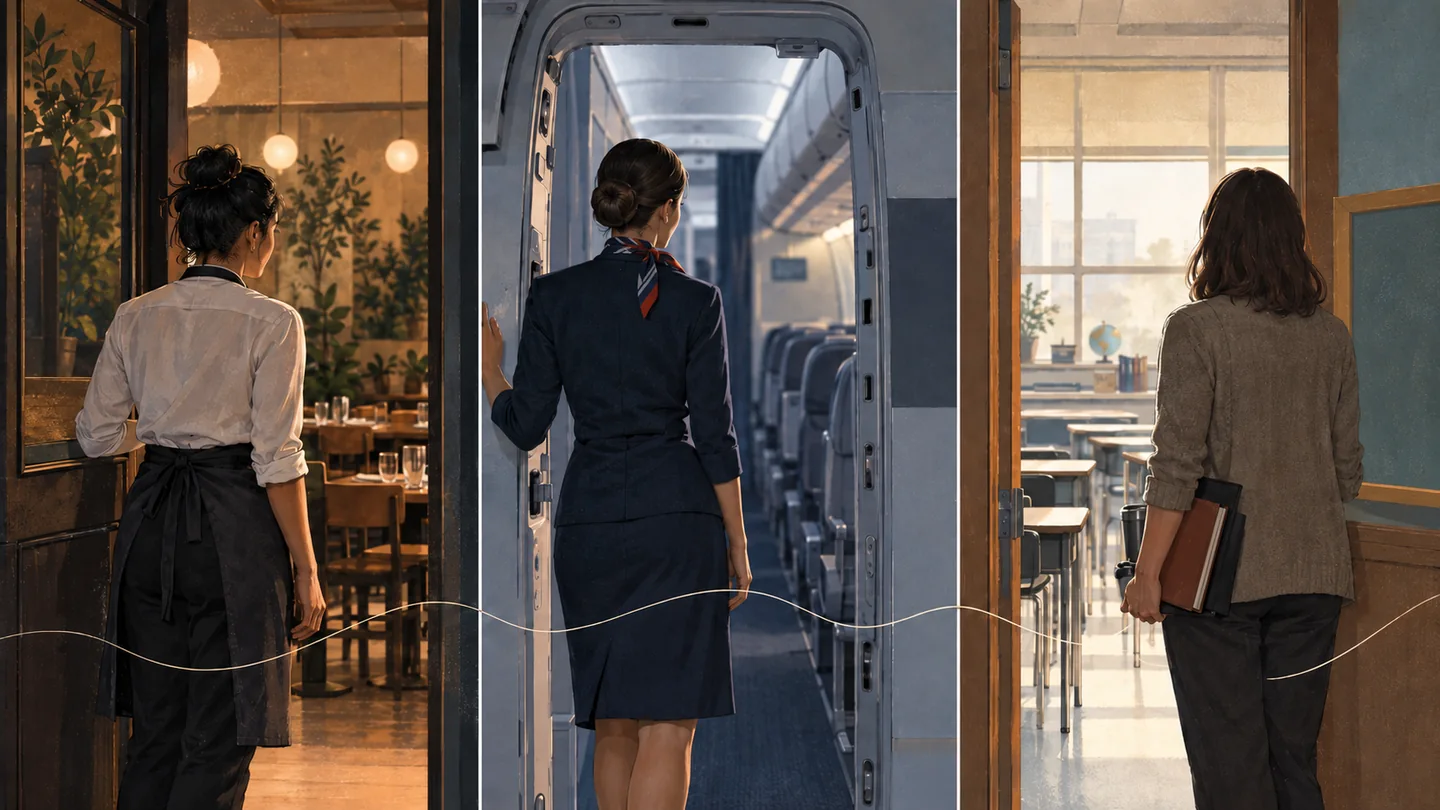
The Lighthouse Library
After a Tragedy, Who Has to Go Back to Work?
The cameras leave. The employees return. Who checks on the people going back to a place changed by tragedy?
Open the article ↗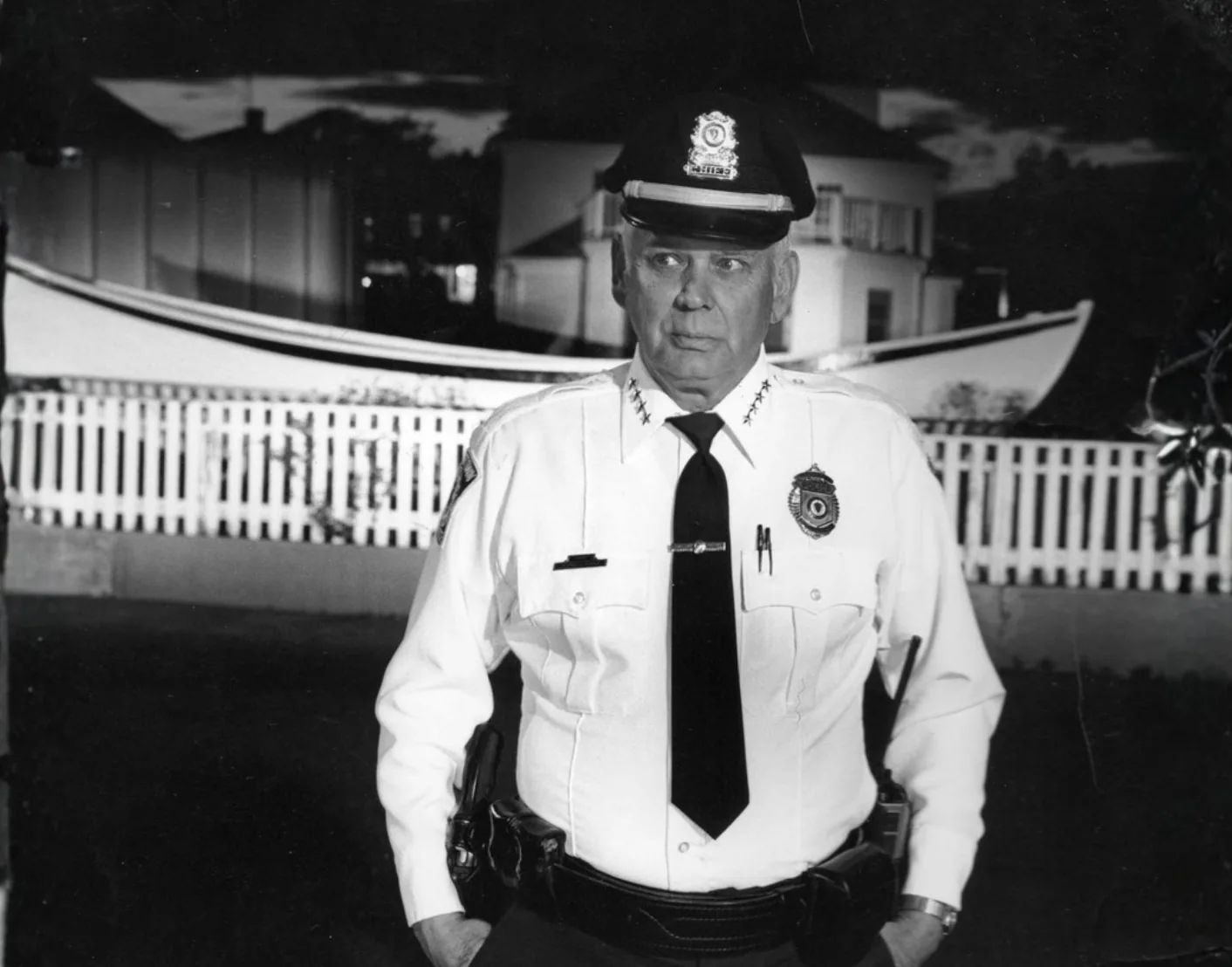
FIELD GUIDE
Five Decisions Every Police Chief Should Make Before a Line-of-Duty Death
John Cooley’s experience with more than 80 police funerals offers a starting point for agency leaders.
Open the article ↗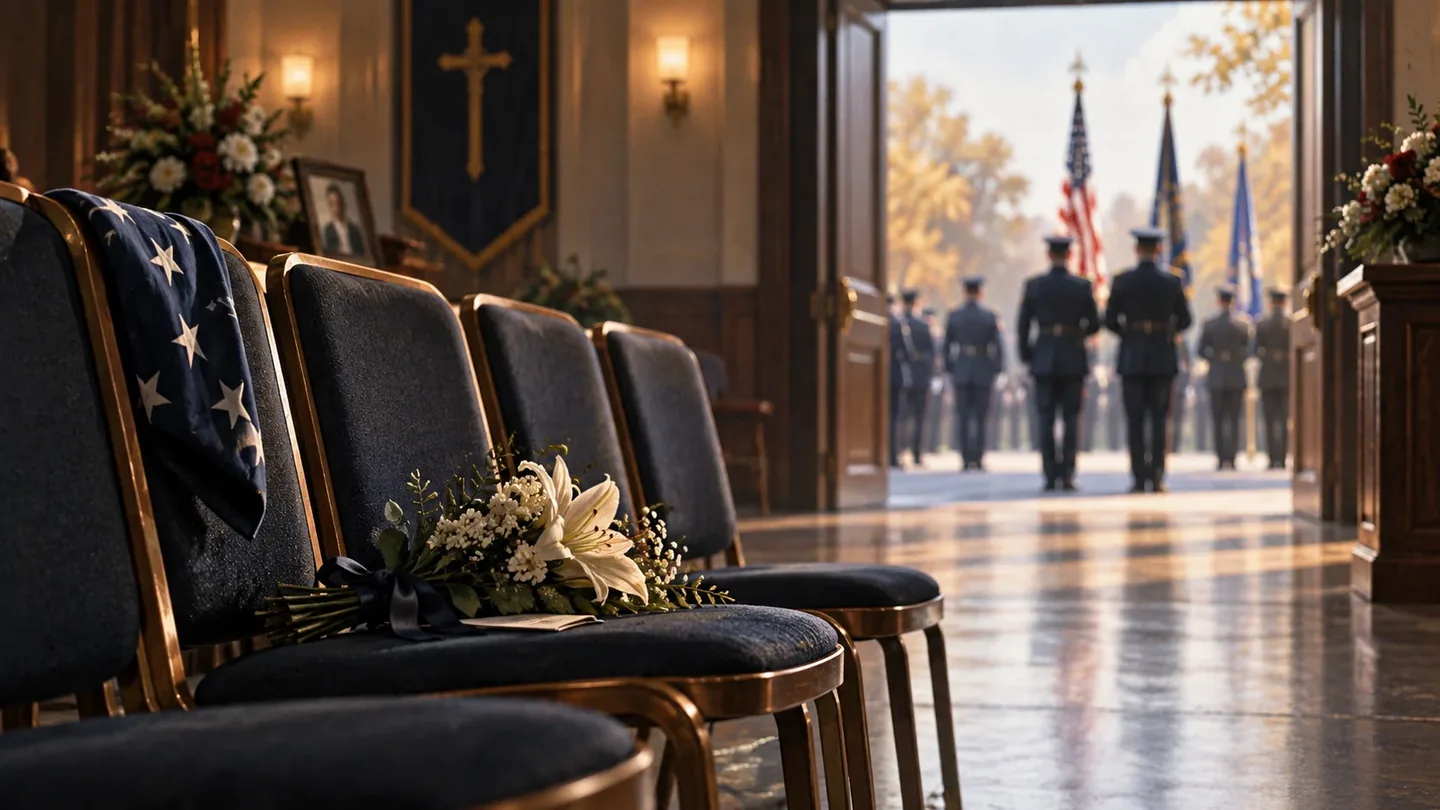
ChaplainUSA Blog
Who Is This Funeral For?
The public may remember the procession. A child may remember whether anyone included them. Listening to the family reveals what a ceremony alone cannot tell us.
Open the article ↗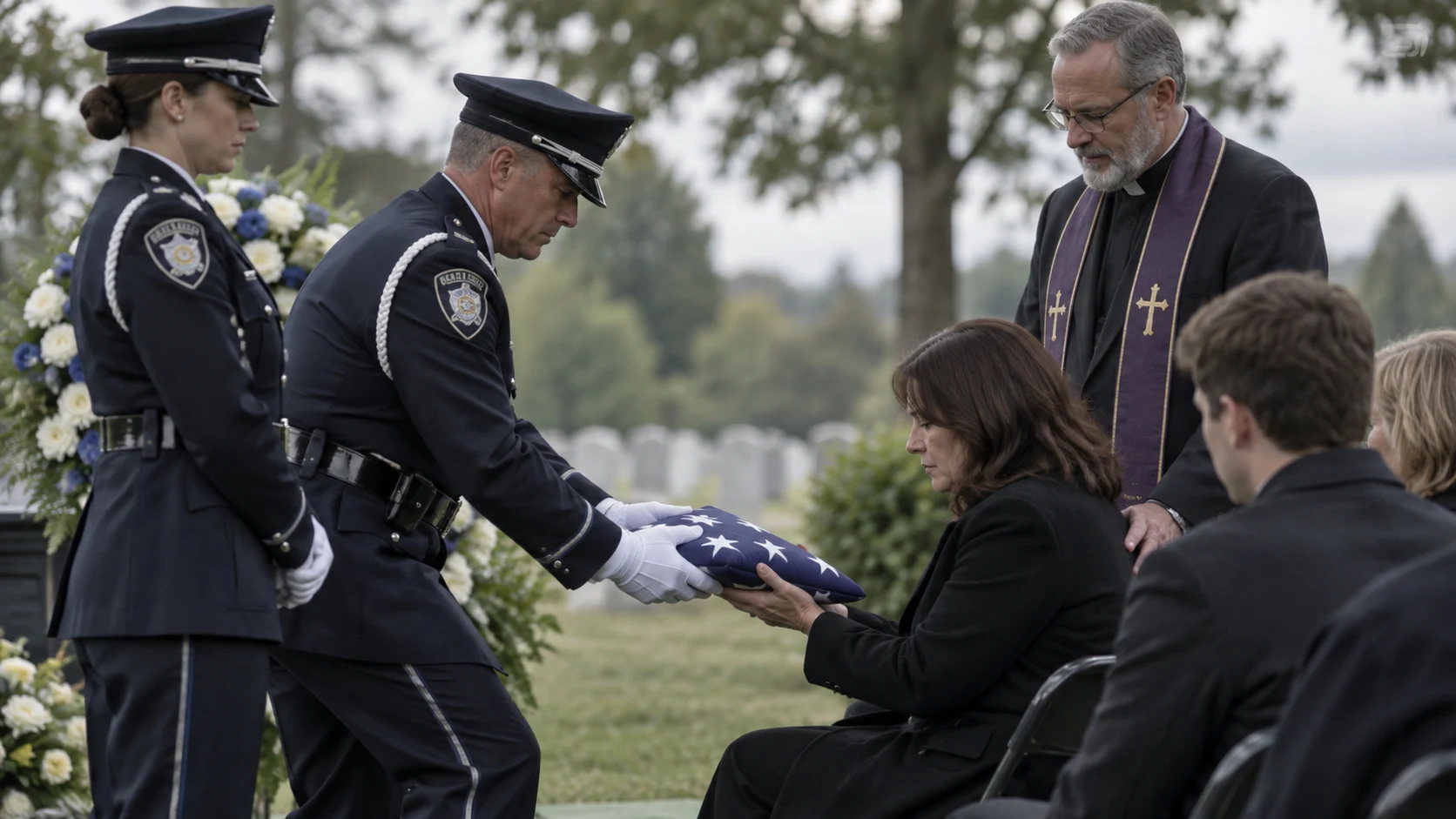
FIELD GUIDE
Graveside Honors: Begin With the Family
A visual field guide to common honors—and the conversations that should happen before the service.
Open the article ↗In their own words
Take a moment. Watch.
Keep within reach
Practical tools for the work.



Stay connected
You are not alone in this work.
Keep the conversations close, and return whenever you need a new perspective.